Overview
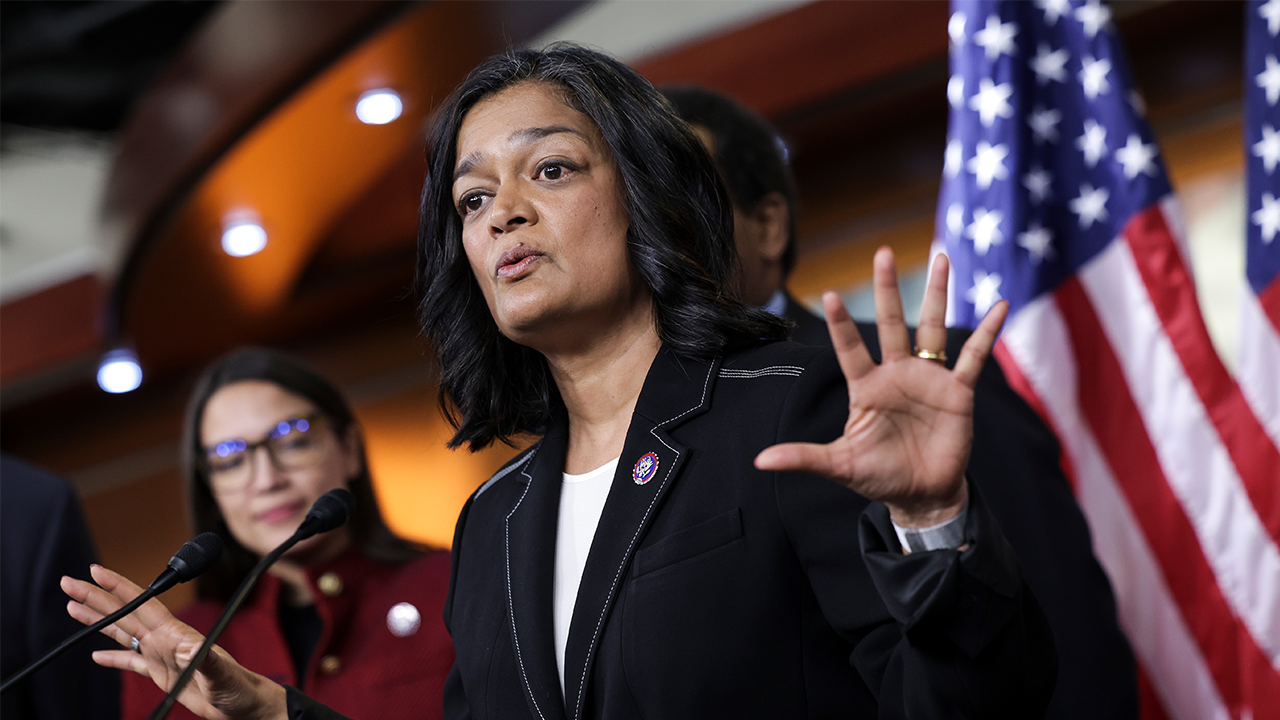
A recent wave of U.S. military actions targeting Iran has triggered sharp, high-stakes commentary from key Democratic lawmakers. Critics argue that the move oversteps constitutional authority and risks widening a conflict that could draw the United States into a broader regional war. The debate spotlights not just immediate strategic calculations, but the long-term implications for how the United States plans, authorizes, and executes foreign policy under a modern president.
What Just Happened
The administration authorized a sequence of strikes perceived by many Democrats as escalatory but not clearly sanctioned through Congress. Critics, led by prominent House members, contend that these actions bypass required constitutional processes and congressional oversight. The argument centers on the separation of powers and the president’s role in authorizing military force versus Congress’s constitutional prerogatives to declare war or authorize hostilities. While supporters emphasize national security needs and deterrence signals, opponents warn that unilateral moves could set dangerous precedents and narrow the policy space for future administrations.
Public & Party Reactions
Within party lines, the response is polarized. Democrats are united in foregrounding constitutional concerns, procedural legitimacy, and the risk of expanding hostilities without a clear, ratified strategy or exit pathway. Republican reactions vary: some critique the administration’s approach as indecisive or ineffective, others defend rapid action as necessary for national defense. The broader political environment reacts with anxiety about escalation, alliance alignment, and the credibility of U.S. commitments in a volatile region.
Policy and Strategic Implications
- Constitutional and Legal Debates: The contention hinges on executive authority versus congressional oversight. Advocates for stronger legislative input argue that ongoing hostilities demand timely, formal authorization to avoid long-term constitutional friction and potential legal challenges.
- Deterrence vs. Proliferation Risk: Analysts weigh whether strikes shift Iran’s calculus, potentially deterring future aggression or provoking miscalculation and retaliation. The outcome will influence regional stability, coalition cohesion, and the risk tolerance of U.S. partners in the Middle East.
- Alliances and Diplomatic Leverage: The administration’s approach to Iran affects trust with traditional allies and partners. A strategy perceived as unilateral could complicate diplomacy with European, Arab, and Indo-Pacific partners who seek predictability and a clear framework for escalation and de-escalation.
- Domestic Political Consequences: Domestic political pressure could intensify around presidential powers in foreign policy, shaping future governance debates and election-year messaging. The administration may need to present a transparent, legally grounded rationale to maintain public trust and legislative support.
What Comes Next
- Legislative Signals: Expect renewed congressional dialogue about war powers, treaties, and authorizations for future actions. Hearings, briefings, and formal requests for information may accompany any ongoing or planned operations.
- Strategic Readouts: The administration will likely pursue a measured communication strategy, outlining objective goals, exit pathways, and conditional timelines to reassure both domestic audiences and international partners.
- Risk Management and Contingencies: Policymakers will reassess escalation thresholds, cyber and intelligence dimensions, and potential civilian impact. Contingency planning will address scenarios ranging from limited regional escalation to broader confrontations.
- Electoral and Governance Impact: The debate will influence how voters perceive national security competence, constitutional fidelity, and the executive’s boundary with Congress—factors that could shape the 2026 political landscape and party dynamics.
Context and Analysis
The episode crystallizes a broader, ongoing tension in U.S. foreign policy: balancing swift, robust actions to deter threats with a procedural framework that preserves legislative oversight and constitutional norms. The dialogue among lawmakers, security experts, and international partners will help determine whether the United States can sustain a credible deterrent while maintaining a stable framework for legitimate military engagements.
Final thoughts
As U.S. policymakers navigate this high-stakes moment, the question is less about a single strike and more about the lasting architecture of American foreign policy governance. Will future administrations lean into clearer authorization channels and explicit exit strategies, or will partisan dynamics continue to complicate decisions in moments of crisis? The answer will shape not only Iran policy but the broader cadence of U.S. military engagements in an increasingly complex global arena.