Overview
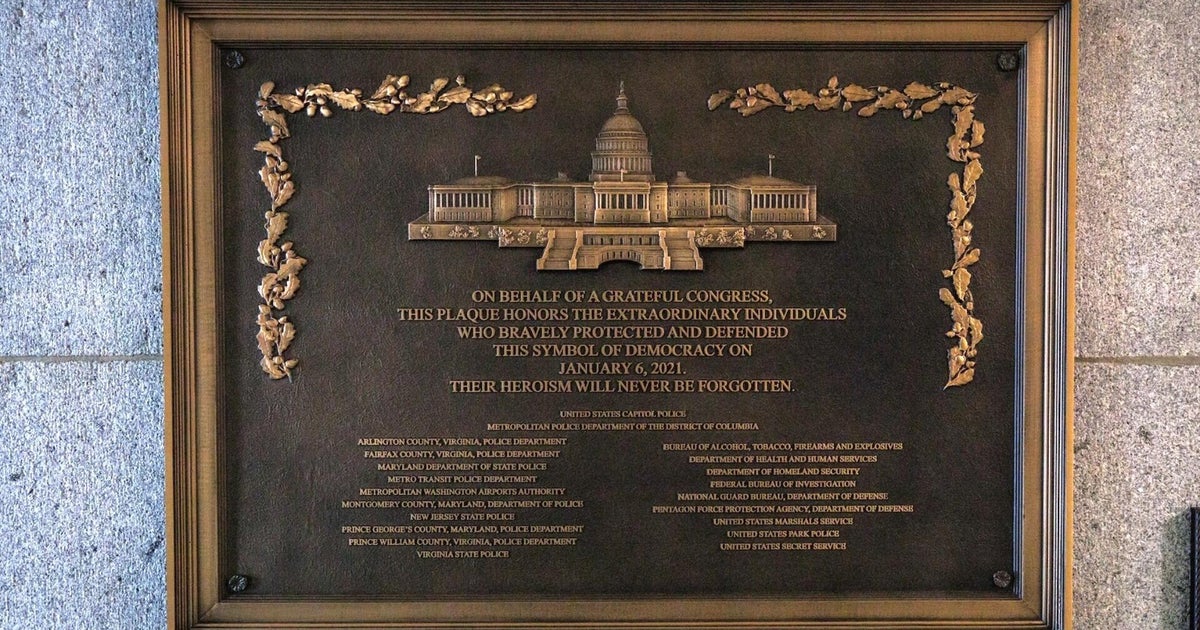
A newly installed plaque honoring law enforcement personnel who responded to the Jan. 6 attack has become a flashpoint in a broader national debate over memory, accountability, and political messaging. Installed after years of dispute and advocacy from various groups, the memorial underscores how commemorations can serve as proxies in the nation’s ongoing struggle over the meaning and consequences of the Jan. 6 events.
What Just Happened
The plaque was unveiled after a prolonged period of negotiation among lawmakers, community leaders, and law enforcement associations. Proponents frame the monument as a tribute to courage and restraint under pressure, emphasizing the dangers faced by officers on that day. Critics argue the memorial risks politicizing a security failure and may reflect selective memory that downplays broader political and social dynamics surrounding the event. In short, the installation marks a concrete milestone in a protracted debate over how to publicly honor those who served while navigating polarized interpretations of the day’s significance.
Public & Political Reactions
Expect mixed reception across political and media lines. Some lawmakers and veteran groups praised the plaque as a necessary reminder of frontline bravery and the rule of law. Others questioned the timing, naming it a symbol that could inflame partisan tensions or memorialize a moment of political violence without addressing underlying issues about security, intelligence, and accountability. Local communities are weighing the memorial’s meaning for public spaces, educational narratives, and ongoing conversations about how to commemorate traumatic events in a diverse democracy.
Policy and Governance Implications
The installation sits at the intersection of public memory, civil service symbolism, and how institutions choose to recognize collective risk. Memorials can influence public perception of law enforcement and support for resources, training, and officer safety initiatives. In a broader policy sense, the moment highlights how political disputes shape decisions about commemorative spaces, budget allocations for memorials, and the channels through which families and agencies advocate for recognition and accountability.
What Comes Next
- Local and national conversations around the plaque’s framing and placement are likely to continue, potentially prompting updates to accompanying interpretive materials in schools and public venues.
- Lawmakers may use the moment to push for related resources for first responders, including mental health support, training, and safety equipment funding.
- The broader public discourse may intensify around how to balance respectful memorialization with critical examination of events and policy shortcomings that contributed to the situation.
Impact on Public Discourse
This memorial installation illuminates how the United States processes collective trauma through civic architecture and public art. It also reflects how political factions leverage symbolic acts to argue about accountability, security, and the proper scope of congressional or local-government action. As debates persist about memory politics, the plaque serves as a tangible case study of how symbolism can both unite and divide communities.
What to Watch
- Reactions from law enforcement associations and affiliated advocacy groups.
- Local government discussions about educational materials and museum exhibits connected to Jan. 6.
- Broader national conversations about funding and prioritization for first responders in the aftermath of political violence.
- Any forthcoming commemorations or counter-memorials that could influence the public narrative around Jan. 6.
In sum, the Jan. 6 plaque installation embodies a broader pattern in U.S. governance: memorials and monuments as arenas where memory, policy, and partisan dynamics collide. The outcome will likely influence how communities interpret the events of January 6 and how policymakers address the needs and recognition of those who served in its wake.