Overview
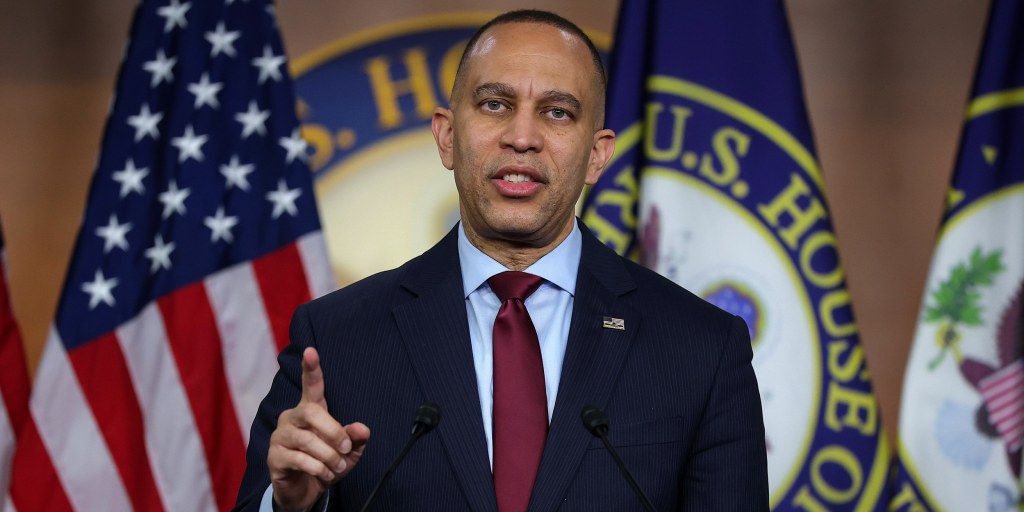
In a moment that underscores the simmering tension over ongoing military funding debates, House Minority Leader Hakeem Jeffries signaled that Democrats are prepared to “cross that bridge when we get to it” on blocking additional war funding. He argued that President Donald Trump has not yet demonstrated a compelling justification for a “war of choice,” framing the debate as a strategic test of presidential rationale and party positioning ahead of the 2026 budget cycle. The exchange spotlights how Republicans’ foreign-policy choices—real or contrived—could become a potent political lens in a year already crowded with fiscal and governance battles.
What Just Happened
Jeffries’ remarks came amid broader congressional scrutiny of defense appropriations and foreign entanglements. While Democrats have pledged to scrutinize money earmarked for overseas operations, the minority leader reframed the discussion as a test of the administration’s justification for escalated military commitments. By downplaying immediate action and emphasizing the need for justification, he places the onus on the executive branch to persuade lawmakers and, in turn, the public. The posture signals a readiness to use funding as leverage in broader negotiations about national security strategy and fiscal responsibility.
Public & Party Reactions
Democratic lawmakers are likely to assess any new funding requests against perceived necessity, risk, and long-term fiscal impact. The tactic—linking funding to a clear strategic rationale—could mobilize opposition within the party toward any perceived mission creep. On the Republican side, leaders and rank-and-file lawmakers may frame additional funding as essential to national security or as a tool to shape deterrence in volatile regions. The remarks also feed into a larger narrative battle about leadership and decision-making in foreign policy, with donors, defense contractors, and national-security hawks watching closely for signals about 2026 policy marching orders.
Policy & Strategic Implications
- War funding as a political litmus test: The exchange places fiscal decisions at the center of foreign policy debate, pressuring the administration to justify military choices beyond generic statements.
- Framing and narrative power: Jeffries’ emphasis on justification aims to curb the ease with which lawmakers can approve funding without scrutinizing strategic goals and end states.
- Electoral impact: The debate could become a proxy for evaluating incumbents’ and challengers’ competence on national security, potentially shaping primary and general-election messaging.
- Congressional leverage: The minority leadership appears prepared to use appropriations as a bargaining chip, signaling readiness to complicate or block funding if the administration fails to present a credible plan.
What Comes Next
- Expect targeted questions from defense committees and budget negotiators focusing on the scope, duration, and objectives of proposed engagements.
- Potential for procedural maneuvers or conditional approvals tied to policy milestones, strategic reviews, or sunset provisions.
- A broader media and political feedback loop where public messaging on “war of choice” versus necessity informs voter perceptions ahead of elections.
- Ongoing debates about transparency, oversight, and accountability in how military operations are funded and authorized.
Context and Takeaway
This moment captures a broader realignment in how defense funding is debated in Congress. As 2026 looms, Democratic strategists are signaling a preference for disciplined, evidence-based arguments about the necessity and consequences of foreign ventures. For Republicans, the challenge will be to defend or redefine those decisions amid a shifting electorate wary of fiscal risk and mission creep. The dynamic is less about immediate funding outcomes and more about setting the terms of the national-security conversation for the next political cycle.