Overview
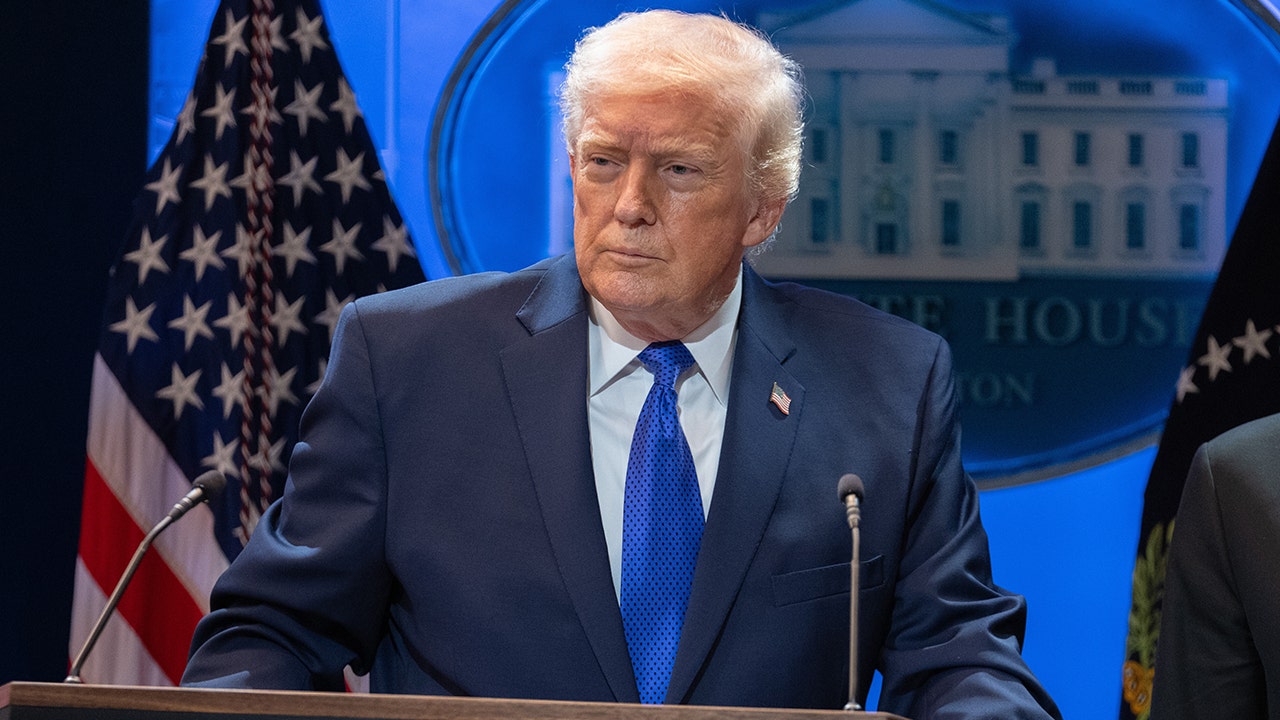
The latest developments in the Middle East have shifted the contours of U.S.-Iran relations for 2026. After the assassination of Iran’s Supreme Leader Ayatollah Ali Khamenei, Operation Epic Fury has entered its second week, intensifying fear and uncertainty across regional capitals. In a high-profile statement, former President Donald Trump warned that Iran’s new leader would not “last long” without U.S. approval, signaling a potential recalibration of American leverage in a crisis that remains deeply destabilizing for the region. The exchange underscores how leadership shifts in Tehran can quickly translate into strategic incentives and constraints for Washington, complicating both diplomacy and deterrence.
Context
- The assassination of a central figure in Iran’s political framework abruptly reorders the internal landscape. The emergence of a new leadership team raises questions about continuity, succession, and the appetite for escalation or restraint.
- The U.S. response to such a seismic shift has broad implications: it could reinforce existing sanctions and punitive measures, or it could spur new diplomatic overtures aimed at de-escalation—depending on the unfolding calculations of Washington and its allies.
What Just Happened
- Public statements from major U.S. voices, including former President Trump, frame the Iran leadership transition as a critical juncture. The assertion that the new leader’s tenure depends on U.S. sanctioning or approving actions points to a narrative of American influence and risk control.
- On the ground, the conflict dynamics around Operation Epic Fury—an ongoing campaign attributed to a response to Tehran’s regional activities—continue to influence military, intelligence, and political calculations in both Iran and its adversaries.
Public & Party Reactions
- American political rhetoric is sharpening the focus on how the U.S. should engage with Tehran amid a fragile regional ceasefire landscape. Supporters of a hardline posture emphasize deterrence and punitive options, while proponents of engagement stress the risks of miscalculation and the benefits of restored diplomacy.
- International allies are watching closely for signals about credibility, alliance cohesion, and the potential for negotiated stability. In Washington, the debate centers on how to structure a credible, adaptable strategy that avoids slavish escalation while preserving essential U.S. interests.
Strategic Stakes
- For U.S. interests, the core stakes are deterrence credibility, protection of American personnel and partners in the region, and the prevention of a broader escalation that could involve proxy conflicts or disruption of energy markets.
- Tehran’s calculation will hinge on preserving regime stability, limiting external intervention, and managing domestic pressures—factors that could push Iran toward either calculated restraint or renewed provocation.
Impact on US Interests
- Geopolitical risk: The leadership void inside Iran creates a window of volatility that could spill over into regional security, nuclear risk management, and cyber/space domains.
- Economic and energy considerations: Turbulence in the Gulf can affect oil supply chains, shipping lanes, and global markets, with potential implications for U.S. consumers and energy policy.
- Diplomatic leverage: Washington’s posture now involves balancing punitive measures with the possibility of calibrated diplomacy, appealing to regional partners while reassuring allies of a coherent, risk-aware strategy.
Global Power Dynamics
- The confrontation dynamics are not purely bilateral. Competitors and regional powers are recalibrating their posture in response to U.S. policy signals, the resilience of the Iranian regime, and the broader strategic competition in the Middle East.
- Any credible shift in Tehran’s leadership and policy direction could reconfigure alliances, from how Gulf states coordinate security efforts to how international bodies pursue nonproliferation objectives.
Forward-Looking Risks
- Escalation trap: A misread or misstep could trigger a broader regional confrontation, drawing in partners and raising the risk of significant civilian and military casualties.
- Diplomatic openings: Conversely, if Washington combines restraint with targeted deterrence, there may be room for renewed negotiations on conflict de-escalation, economic measures, and regional stabilization.
- Domestic political dimension: U.S. domestic politics will influence the confidence and coherence of any policy package toward Iran, with partisan dynamics shaping both rhetoric and legislative action.
What Comes Next
- Expect continued high-stakes messaging from U.S. policymakers and influential voices about the conditions under which the United States would validate or resist Iranian leadership actions.
- Watch for developments in Tehran’s internal power structure, signaling how the new leadership positions itself in relation to ongoing regional campaigns and international commitments.
- The period ahead will likely feature a mix of limited deterrence actions, economic measures, and possible diplomatic overtures aimed at preventing a larger crisis while preserving American interests in regional stability.
Tone and Takeaway
This analysis treats the U.S.-Iran dynamic as a high-stakes strategic contest where leadership changes in Tehran could reshape policy outcomes, deterrence postures, and regional security architectures. The coming weeks will reveal whether Washington can translate tough talk into a coherent, calibrated strategy that deters aggression while creating pathways to stability in a volatile, multi-polar landscape.