Situation Brief
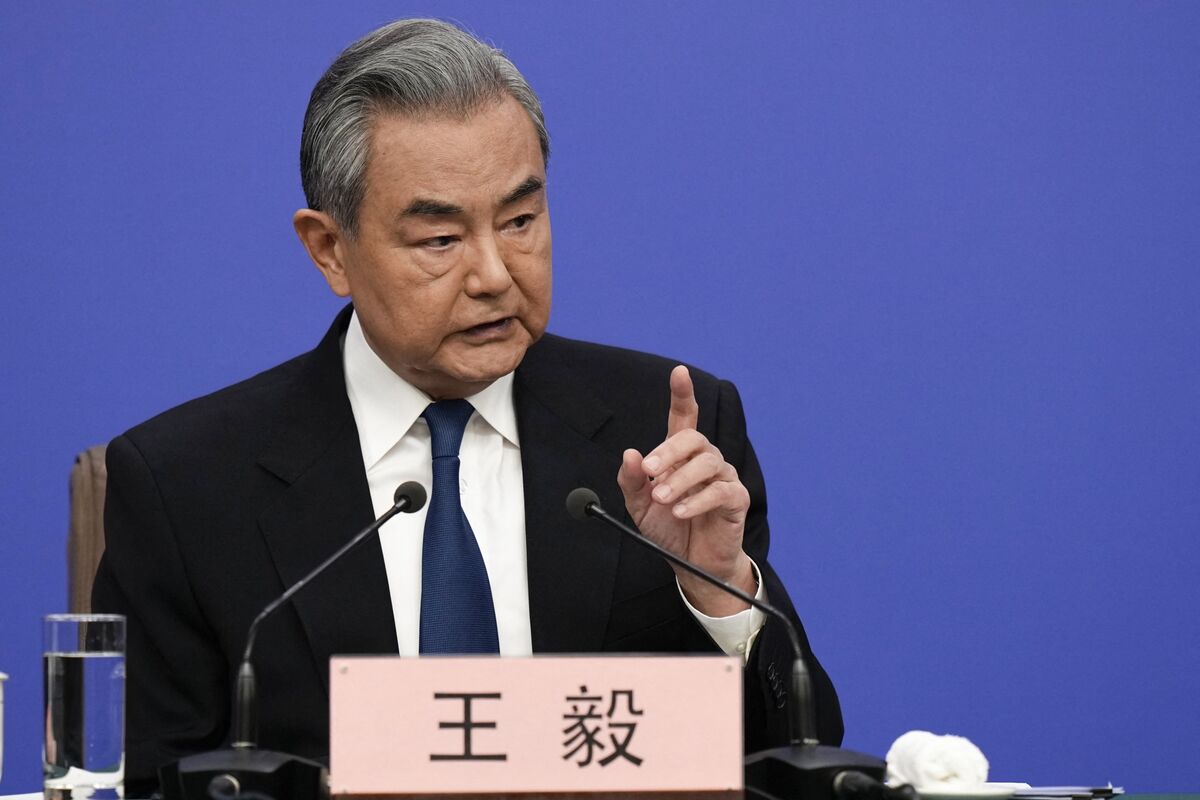
China’s top diplomat has framed the year ahead as pivotal for the country’s relationship with the United States. In a clear call for de-escalation in the Middle East, Beijing urged an immediate end to hostilities and critiqued U.S. actions seen as contributing to regional volatility. Yet the message carried a dual aim: press for peace in a volatile region and reassure the world that China’s diplomacy will not derail a long-running effort to steady and expand ties with Washington. The statement comes at a moment when both nations are recalibrating their strategic posture across trade, technology, and security frameworks.
Strategic Stakes
China’s diplomacy seeks to balance competing priorities. On one hand, it wants to position itself as a stabilizing force in global hotspots, which could bolster its soft power and influence in multilateral forums. On the other hand, Beijing remains wary of overreliance on Washington amid a shifting global order that increasingly values diversification of supply chains, strategic decoupling pressures, and a more assertive stance from other major powers. The Middle East call for restraint also serves as a messaging device to Xi-era diplomacy: China can advocate restraint and non-interference while maintaining room to expand economic and strategic partnerships with the United States and its allies.
Impact on US Interests
For the United States, the remarks signal China’s preference for a predictably managed rivalry rather than a collapse of channels. If Beijing can translate a stance of peace into concrete cooperation on technology, climate, and global finance, U.S. policymakers may find common ground on de-risks in volatile regions. However, the commentary also risks being perceived as selective engagement—criticizing U.S. actions while advancing an agenda that keeps Beijing’s rivals in check without fully compromising its own strategic ambitions. The net effect could be a more nuanced, less adversarial tone in official exchanges, but with persistent strategic competition in economics, technology, and security coalitions.
Global Power Dynamics
The message reinforces the ongoing recalibration of global power dynamics. Washington has sought to rally allies and decouple certain supply chains from China, while Beijing has promoted a narrative of constructive engagement when possible. The Middle East emphasis adds a layer of complexity: a region where energy security and geopolitical influence intersect with superpower rivalry. As both capitals pursue steadier ties, other major actors—Europe, the Indo-Pacific bloc, and regional powers—will watch closely to test whether diplomacy can translate into tangible cooperation on trade rules, military transparency, and investment frameworks.
Forward-Looking Risks
- Diplomatic friction risk: If U.S. and Chinese interpretations of restraint diverge, tensions could re-emerge quickly, especially in sensitive tech, cyber, and strategic domains.
- Economic exposure: Markets will monitor potential gains from improved dialogue against the backdrop of ongoing competition in advanced technologies, 5G/AI standards, and supply-chain resiliency.
- Regional volatility: While calls for peace are timely, any failure to de-escalate in the Middle East could spill over, challenging both sides to maintain a united front in shared geopolitical priorities.
- Multilateral leverage: Washington and Beijing may increasingly use international institutions to shape norms on trade, climate, and security, raising the stakes for allies deciding alignment.
What Comes Next
Analysts expect a continued, albeit cautious, consolidation of lines of communication between Beijing and Washington. Expect synchronized but carefully calibrated diplomacy on core issues: strategic stability, climate finance, and energy security. Domestic political considerations in both countries will influence how bold their cooperation can be in practice. For U.S. policymakers, the key bearings will be whether China follows through on any commitments with verifiable moves in commerce and governance transparency, and how the United States responds if China uses dialogue to guard its strategic interests without concessions on core values and technology access.
Tone and takeaways
The overarching takeaway is restraint versus ambition. China signals a pragmatic path that seeks to stabilize relations without compromising its rising influence. For 2026, the trajectory hinges on whether both powers translate dialogue into real-world cooperation that lowers global risk, or whether strategic competition reasserts itself through technology races, economic friction, or security alignments. The world will be watching how Beijing and Washington translate rhetoric about peace and steadiness into measurable policy steps across diplomacy, trade, and technology governance.