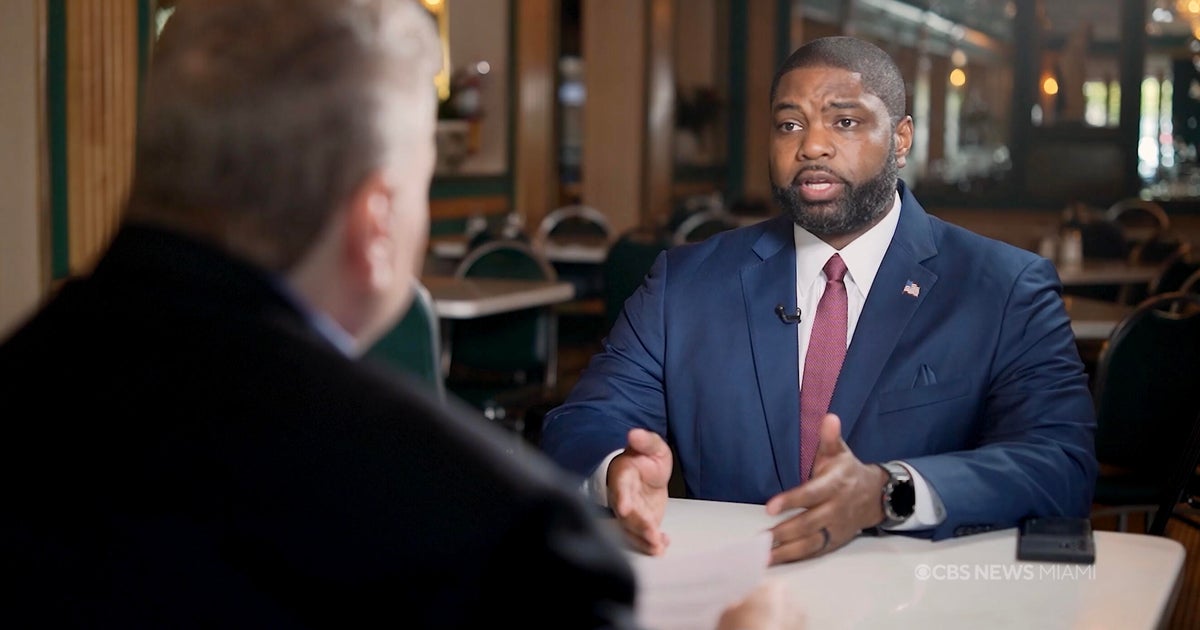
Byron Donalds sits at an inflection point for both his congressional identity and the broader GOP playbook ahead of a pivotal 2026 political landscape. In a candid discussion that touches on his personal history, ideological commitments, and visions for Florida, the congressman offers a window into how a rising Republican voice intends to influence policy debates, campaign messaging, and the state’s role in national contests.
Overview
Donalds has long positioned himself as a principled conservative with a track record on economic liberty, limited government, and targeted reforms. The interview traces a personal arc—from formative experiences to a rigorously defined policy lens—while also addressing the realities of Florida politics, where governors’ races can recalibrate national Republican strategy. The conversation underscores how a member of Congress negotiates both substantive policy positions and the messaging that energizes a broad, sometimes divergent, Republican base.
What Just Happened
In a year marked by contested regional primaries and high-stakes statewide campaigns, Donalds articulates a clear stance on core governance questions: how to balance federal oversight with state autonomy, how to advance economic growth while pursuing prudent fiscal discipline, and how to align conservative ideals with practical governance in a diverse state like Florida. He reflects on his personal journey to illustrate why a principled, results-oriented approach matters to voters who want both accountability and tangible improvements in daily life.
Public & Party Reactions
Support within the Republican caucus appears to hinge on Donalds’ ability to translate policy depth into electoral momentum. He is seen as a potential bridge-builder for younger Republicans and a counterpoint to more populist strains within the party. Observers will watch how his public messaging lines up with Florida’s gubernatorial efforts, particularly on issues such as energy policy, economic development, and regulatory reform. The reception from Florida voters—especially those weighing state leadership options—will shape how his policy rhetoric converts into broader political capital.
Policy orientation and strategic implications
- Economic and regulatory reform: Donalds emphasizes restrained federal intervention while advocating for growth-friendly policies at the state and local levels. This stance resonates with business communities and fiscally conservative voters who prioritize job creation, wage growth, and predictable regulatory environments.
- Education and opportunity: He signals a focus on policies that provide pathways to opportunity, including skills development and accountability in public programs. For Florida, that translates into a governance agenda aimed at expanding workforce readiness and ensuring efficient use of tax dollars.
- Energy and affordability: The interview hints at a pragmatic approach to energy policy and cost-of-living concerns, aligning with constituents who seek reliable energy supply paired with affordability. The Florida governor’s race will test how such priorities translate into state-level policy proposals and regulatory approaches.
- National strategy in a competitive landscape: As Republicans calibrate messaging for 2026, Donalds’ emphasis on disciplined policy, combined with a readiness to engage in broader governance debates, could inform how the party presents a coherent counter-narrative to opponents across multiple states. His stance may complicate or reinforce the party’s broader pitch on governance, the economy, and national security.
What Comes Next
- The Florida governor’s race will be a critical proving ground for how Donalds’ policy-first branding translates into electoral appeal. Expect close scrutiny of his positions on energy, education, and economic competitiveness as candidates discuss the future of Florida’s growth trajectory.
- Within Congress, Donalds’ public-facing posture and policy proposals will shape debates on fiscal responsibility, regulatory reform, and state-federal coordination. Allies will look for opportunities to elevate his perspectives into legislative priorities.
- Nationally, observers will assess whether Donalds can convert policy depth into durable political influence that extends beyond Florida, potentially influencing GOP messaging on governance and economic reform heading into 2026 and beyond.
Conclusion
The dialogue around Rep. Byron Donalds highlights a strategic tension within the Republican spectrum: a demand for principled, policy-driven leadership paired with the electoral exigencies of high-profile statewide races. For Florida and the broader national stage, his approach tests whether a principled conservatism can translate into practical governance wins and durable political momentum as the 2026 cycle intensifies.