Overview
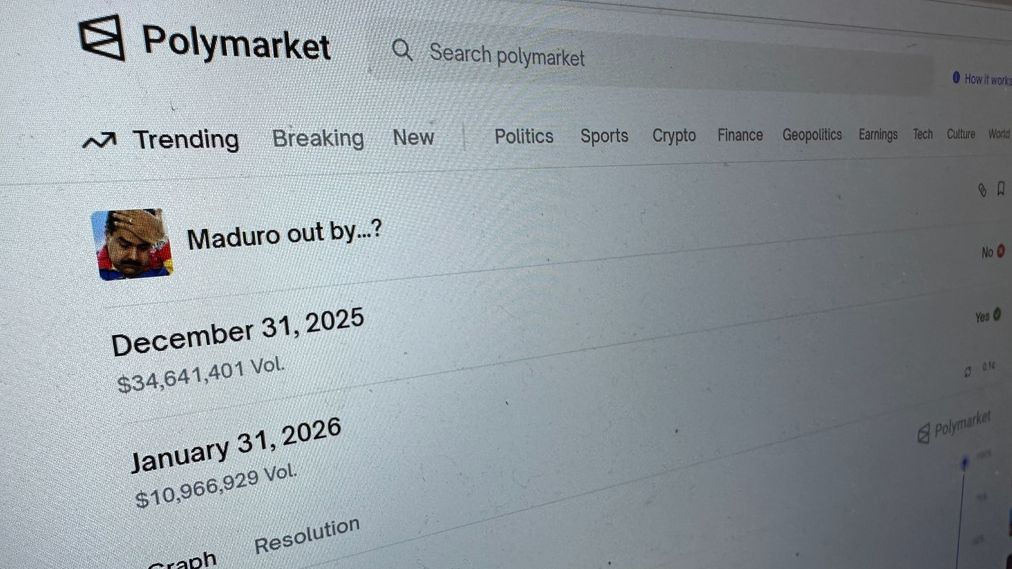
Prediction markets like Kalshi and Polymarket have surged in popularity, drawing interest from investors, fans of market-based forecasting, and everyday users seeking to hedge bets on future events. But the rising influence of these platforms is drawing targeted scrutiny from lawmakers who worry about consumer protections, market integrity, and potential misuse. The debate over how—or even whether—to regulate prediction markets is accelerating, with implications for innovation, the financial markets, and the broader public interest.
What Just Happened
In recent months, Kalshi and Polymarket have expanded access and product offerings that allow users to place bets on a wide range of events, from political outcomes to economic indicators. Their growth highlights a broader appetite for decentralized, market-driven forecasting tools that many see as a quicker way to incorporate collective intelligence into decision-making. However, this expansion has also sparked concerns among some policymakers who argue that prediction markets can pose legal and regulatory challenges, including classification of activities as gambling, money transmission issues, and potential exposure to manipulation or fraud.
Public & Political Reactions
Supporters frame prediction markets as innovative, transparent ways to price risk and improve policy feedback mechanisms. Critics warn of consumer risks, including volatility, potential for gaming and manipulation, and uncertainties about oversight. In Washington, lawmakers are weighing proposals that would clarify whether these platforms operate under gambling, securities, or futures rules, and how to enforce transparency, capital requirements, and anti-money-laundering standards. The debate is shaping up as a test case for how the United States balances innovation with investor protection and market integrity.
Policy Snapshot
Policy makers are considering a framework that would:
- Define the regulatory category for prediction markets and establish licensing requirements.
- Require robust consumer protections, clear disclosure of risks, and transparent governing rules.
- Apply existing financial services or securities laws where relevant, while ensuring fair access and preventing market manipulation.
- Set standards for anti-fraud measures, KYC/AML compliance, and dispute resolution.
- Create a pathway for ongoing oversight, including audits and enforcement mechanisms.
Who Is Affected
- Individual traders and everyday users who participate in on-platform betting.
- Platform operators seeking compliance with a federal or state framework.
- Financial intermediaries and payment processors that enable transactions.
- Policymakers and regulators responsible for market integrity, consumer protection, and national security concerns.
Economic or Regulatory Impact
The regulatory posture will impact the economics of prediction markets in several ways:
- Compliance costs could rise for operators, potentially affecting fees and user accessibility.
- Clear rules may boost institutional confidence, encouraging larger participation from professional traders or hedgers.
- A well-defined framework could reduce the risk of fraud and manipulation, protecting users and preserving market integrity.
- Uncertainty around legal status may create a chilling effect, slowing innovation or driving demand to jurisdictions with clearer rules.
Political Response
Supporters argue that clear regulation can unlock responsible innovation, protect consumers, and bring prediction markets into mainstream financial law, ultimately benefiting policymaking by improving forecasts. Critics contend regulation could stifle innovation, push activity underground, or disproportionately burden smaller platforms. The balance legislators seek will hinge on establishing robust protections without crushing entrepreneurial experimentation.
What Comes Next
- Legislative committees are likely to draft and circulate proposals detailing regulatory scope and enforcement mechanisms.
- The debate will probe whether prediction markets should be treated like gambling, lotteries, securities, or a distinct category requiring tailored rules.
- Regulators may pilot compliance programs or require reporting standards before broader adoption.
- Stakeholders will press for clarity on cross-border operations, data privacy, and consumer redress mechanisms.
Why This Matters for 2026
The push to regulate prediction markets underlines a broader trend: tech-enabled forecasting tools confront a patchwork of existing rules. How Congress and regulatory agencies resolve this will shape not only the fate of Kalshi and Polymarket but also the future of market-based forecasting in policy and governance. A clear, pragmatic framework could spur legitimate innovation and enhance policymaking through better data, while overly restrictive rules could curb a potentially valuable tool for risk assessment and strategic decision-making.
In short, the coming regulatory decisions will determine whether prediction markets are embraced as constructive components of a data-driven political economy or tethered by restrictive controls that limit their growth and usefulness. Stay tuned as lawmakers, industry, and researchers discuss the right balance between innovation, protection, and accountability.