Overview
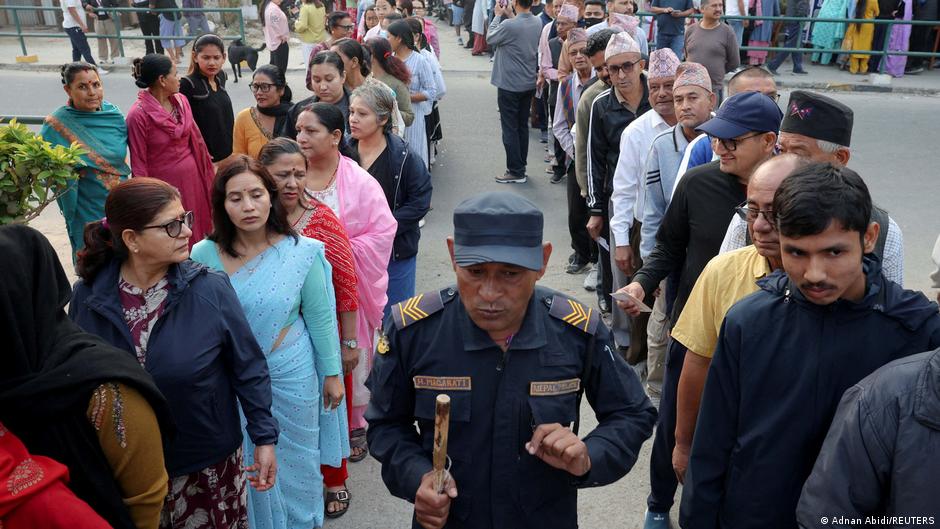
In Nepal, a notable political shift appears to be unfolding as early vote returns suggest a major realignment away from traditional, established parties. A newly prominent, youth-led party is gaining ground in the wake of Gen Z protests that demanded systemic change last year. If these trends hold, the Himalayan nation could witness a seismic reconfiguration of its political landscape, with implications for governance, policy direction, and regional stability.
Context: Why this matters
Nepal’s political system has long balanced between coalition dynamics and party leadership, often constrained by fragmented representation and slow policy execution. The emergence of a fresh political force—born from sustained youth mobilization—signals a new era where younger voters are hardwareing political agency, pressuring incumbents, and reshaping policy discourse. Analysts view this as a potential pivot point for constitutional reforms, governance efficiency, and electoral strategy centered on issue-driven agendas.
What Just Happened
Early returns from the latest electoral process indicate a surge in support for a newcomer movement that aligned itself with Gen Z demands for accountability, transparency, and performance on public services. This bloc appears to capitalize on dissatisfaction with established parties, offering a platform centered on renewal, merit-based governance, and responsiveness to citizen concerns. While final tallies are pending, the momentum suggests a potential governing bloc with a mandate to implement reforms that were previously elusive.
Public and Party Reactions
Supporters of the emerging party rally around a message of modernization and accountability, highlighting a tangible shift away from entrenched elites. Established parties, facing waning trust, have scrambled to respond—some introducing rapid-fire reform proposals or youth-focused recruitment drives to recapture the public’s confidence. The media discourse reflects a broader negotiation about who should lead Nepal’s next phase of development and how to translate protests into durable policy outcomes.
Implications for Governance and Policy
Policy Direction: The rise of a youth-led party could push for accelerated governance reforms, including streamlined decision-making, anti-corruption measures, and reforms aimed at improving public service delivery—from education to health care and infrastructure. Expect a policy emphasis on digital governance, transparency, and more citizen-centric budgeting. The political agenda may prioritize bold, high-visibility projects that demonstrate tangible results within electoral cycles.
Economic and Development Context: Nepal’s development trajectory—tied to remittances, tourism, hydropower potential, and public investment—could be recalibrated under new leadership. The shifting balance of power may unlock fresh investment strategies, revamped public-private partnerships, and targeted reforms to attract capital while ensuring inclusive growth. However, the transition also carries execution risks as new coalitions test their capacity to govern across diverse regional and ethnic interests.
Security and Regional Stability: Political realignments in Nepal can influence regional dynamics, including border security, disaster preparedness coordination, and cross-border trade with neighboring countries. A government perceived as credible and capable on governance may bolster regional trust and cooperation, while instability or fracturing coalition politics could complicate security and economic planning.
What Comes Next
- Final election results and coalition-building: The precise distribution of seats will shape whether the newcomer party can form a government or whether it acts as a pivotal kingmaker within a broader alliance.
- Policy roadmap release: Expect the emerging bloc to publish a platform detailing timelines for anti-corruption measures, public service reforms, and digital governance initiatives.
- Implementation challenges: Translating protest-era promises into sustained policy outcomes will require institutional buy-in, inter-party negotiation, and bureaucratic reform.
- External factors: International development partners and neighboring states will monitor Nepal’s governance trajectory, weighing impacts on regional energy projects, trade routes, and disaster risk management collaboration.
Key Takeaways
- A youth-driven political wave is challenging established power structures in Nepal, signaling a potential governance overhaul.
- Early momentum for a newcomer party underscores Gen Z’s growing influence in shaping policy priorities and electoral outcomes.
- The coming weeks will be pivotal as final results solidify and coalition dynamics determine the pace and scope of reform.
Note on Tone and Approach
This analysis treats Nepal’s political shift as a governance and policy story with broad implications for reform, public service delivery, and regional stability. It emphasizes practical outcomes, voter behavior, and the strategic considerations driving both new and established actors in the days ahead.