Overview
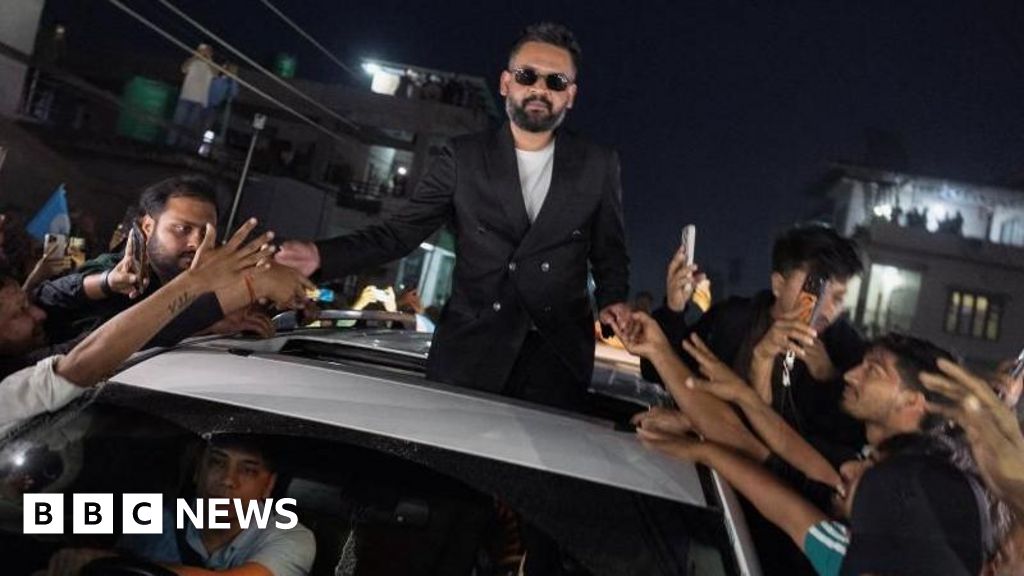
Nepal appears poised for a significant shift in its political leadership as Balendra Shah, a high-profile rapper-turned-politician, moves toward becoming the next prime minister. The 2026 general election marked a turning point after a period of intense street protests and a volatile political backdrop. Shah’s ascent signals a convergence of populist appeal, youth engagement, and a push for governance reform that could redefine Nepal’s policy course and its regional role.
What Just Happened
The election cycle concluded with a clear one-party or coalition-building momentum around Shah and his allied factions. Emerging as a unifying force for a substantial youth and urban voter bloc, Shah’s leadership trajectory reflects a broader trend: non-traditional actors entering high-level politics and reshaping party dynamics. Analysts point to a mandate-like signal for governance reforms, anti-corruption drives, and a refreshed approach to economic development.
Public & Party Reactions
Supporters see Shah as a break from entrenched political establishment, promising practical reforms and a disciplined administrative style. Critics, however, warn of populist rhetoric eclipsing policy specificity and raise concerns about technocratic capacity and coalition stability. Regional observers will monitor how Shah’s leadership aligns with Nepal’s delicate balance among federal states, security concerns, and international partnerships.
Policy Direction and Governance
- Governance Reform: Shah’s platform emphasizes administrative efficiency, anti-corruption measures, and streamlined service delivery. Expect a push to cut bureaucracy, improve transparency, and modernize public institutions, all aimed at boosting investor confidence and citizen trust.
- Economic Focus: With Nepal navigating post-stress economic conditions, Shah’s government is likely to prioritize infrastructure development, energy projects (including hydropower potential), and job creation for urban and rural communities. Fiscal prudence will be essential to maintain macroeconomic stability while expanding public investment.
- Social Policy and Youth Engagement: Shah’s popularity with younger voters could drive reforms in education, digital governance, and public health, coupled with programs designed to retain talent within Nepal and curb outmigration.
- Security and Stability: In a volatile regional landscape, Shah’s administration may emphasize internal security capacity, counter-extremism measures, and regional cooperation to safeguard cross-border trade and stability.
What Comes Next
- Coalition Dynamics: Shah’s path to stable governance will depend on coalition-building, parliamentary arithmetic, and support from key regional and ethnic blocs. The ability to maintain cross-party consensus on core reforms will be a defining test.
- Legislative Agenda: A priority list is expected to include anti-corruption legislation, streamlined public procurement rules, and regulatory modernization across key sectors such as energy, transport, and telecommunications.
- External Relationships: Nepal’s foreign policy stance under Shah will be tested by neighboring powers and international lenders. Balancing relations with major partners and managing legacy security concerns will be crucial for maintaining economic momentum.
Impact on Governance and Neighbouring Dynamics
- Regional Stability: Nepal’s leadership changes ripple through South Asia, where cross-border trade, water resources, and energy projects tie the country to regional economic dynamics. A credible reform agenda could attract investment and improve regional cooperation, while instability or policy missteps might complicate cross-border initiatives.
- Economic Trajectory: If Shah translates campaign intensity into effective governance, Nepal could experience improved investor confidence, faster project execution, and enhanced public service delivery. The challenge remains to sustain fiscal discipline while expanding essential services.
- Democratic Health: Shah’s rise is part of a broader global pattern where non-traditional actors gain legitimacy in parliamentary systems. The long-term health of Nepal’s democracy will depend on transparent institutions, robust checks and balances, and continued citizen engagement.
Outlook
The coming months will reveal how Balendra Shah translates campaign momentum into durable policy gains and how his administration navigates internal parliamentary dynamics. For observers in the United States and beyond, Nepal’s leadership transition matters for regional security, development corridors, and the governance models that influence South Asia’s political economy.
Key developments to watch:
- Coalition composition and leadership揺
- Passage of anti-corruption and public-sector reforms
- Infrastructure and energy project milestones
- Nepal’s engagement with international financial institutions and neighboring countries
Note: This analysis provides context and forward-looking assessment based on the electoral shift and public sentiment observed in the recent election cycle.