Strategic Overview
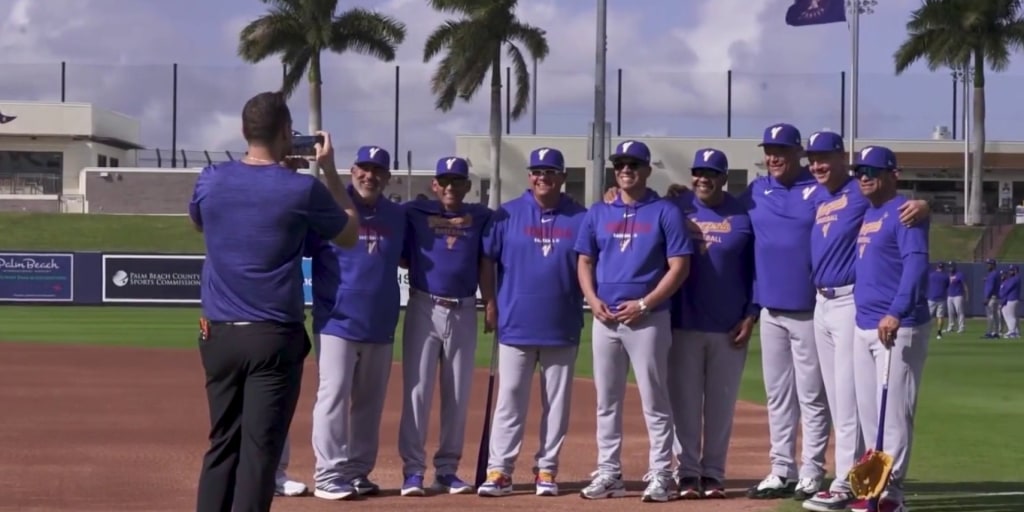
In Florida this week, Venezuelan baseball players took the field for an exhibition game that doubled as a quiet but meaningful diplomacy moment. With Venezuela’s political landscape unsettled by recent leadership upheaval, athletes chose to foreground national pride and athletic solidarity over partisan divides. The event, tied to the World Baseball Classic buildup, illustrates how sports arenas can become soft-power conduits, shaping international perception even when political headlines dominate regional discourse.
Context
The Venezuelan team’s appearance comes at a time of heightened tensions surrounding Maduro-era leadership changes. While global audiences focus on political shifts in Caracas, players and organizers emphasized unity, flag symbolism, and national representation. This photographed, videoed, and widely shared moment serves as a reminder that sports can offer a respite from politics while still reflecting broader geopolitical currents.
What Just Happened
- A Venezuela national team played an exhibition in Florida, drawing attention to flag-raising imagery and national symbols amid a charged political climate at home.
- Players spoke about the meaning of wearing their homeland’s colors and the pride of competing on foreign soil in the lead-up to the World Baseball Classic.
- Analysts and fans debated whether such displays influence international perceptions of Venezuela, or if they are merely athletes pursuing competition and camaraderie.
Impact on Latin America relations and U.S. Perception
The event sits at the intersection of Latin American regional dynamics and U.S.-Venezuela engagement. On one hand, it signals continued cultural and athletic ties despite political tensions. On the other, it underscores how the United States remains a key platform where Latin American teams showcase talent, resilience, and national identity. By framing sports as a bridge rather than a battleground, organizers aim to preserve momentum for U.S.–Latin America sports diplomacy in a period of shifting alliances and leadership debates.
Economic and Cultural Implications
Beyond symbolism, such exhibitions can have practical benefits. They generate media attention, bolster tourism and local economies around game days, and provide exposure for players who might attract overseas opportunities. The event also contributes to a broader cultural exchange, inviting American audiences to engage with Venezuelan sports culture in a context that emphasizes unity through competition.
Public & Political Reactions
Reactions have been mixed but largely focused on the broader message: sports can transcend politics in moments of national representation. Supporters argue that showcasing talent on U.S. soil helps keep the spotlight on athletic excellence and international competition. Critics caution that symbolic gestures alone cannot resolve underlying political tensions, and argue that consistent, constructive engagement is required to foster long-term stability and reform in Venezuela.
What This Means Moving Forward
- For U.S.–Venezuela relations, the game signals a potential pathway for ongoing cultural diplomacy even amid political shifts at home.
- For the World Baseball Classic and similar international tournaments, this event reinforces the importance of national representation, narrative-building, and soft-power messaging around the world’s most-watched sport outside of the Olympics.
- For Venezuelan fans and diaspora communities, the moment reinforces pride and unity around national symbols, while reminding observers of the complexities behind leadership changes back home.
Forward-Looking Risks
- Domestic political volatility in Venezuela could complicate future international sporting appearances, including athlete visa questions, funding, and administrative support.
- The reliance on sports diplomacy may not sufficiently address structural political concerns, risking a return to heightened tensions if substantive reforms stall.
- International audiences may press for clearer stances on governance and human rights, potentially straining purely athletic collaborations if political expectations go unmet.
Bottom line
The Florida exhibition reflects a deliberate choice to separate sports from partisan divides, at least momentarily, while highlighting Venezuela’s continued presence on the global athletic stage. As the World Baseball Classic approaches, the interplay between national pride, political change, and international sport will remain a telling barometer of how Latin American nations navigate diplomacy, identity, and influence in a dynamic, U.S.-centric arena.