Overview
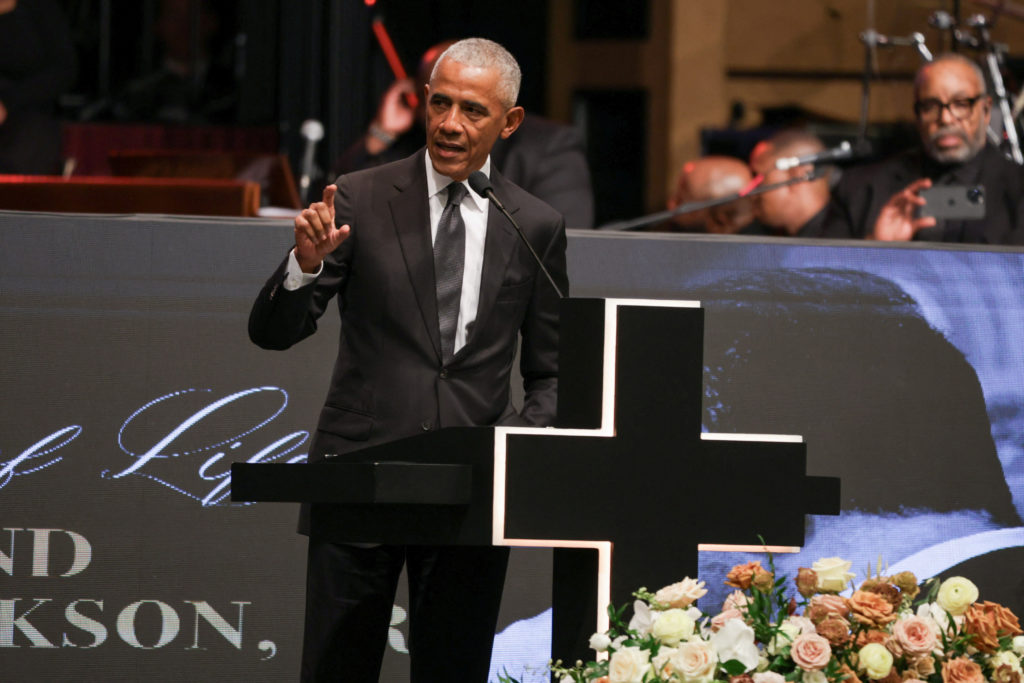
Former President Barack Obama used a public tribute to Rev. Jesse Jackson to frame a moral and strategic appeal: the nation must “step up” in defense of democratic institutions and the rule of law. In a moment shaped by pervasive political rancor and rapid-news cycles, Obama’s message centers on renewed civic engagement and accountability as levers for governance reform. The remarks come during Jackson’s final public tribute, underscoring how influential voices cast contemporary challenges as tests of character for both leaders and everyday citizens.
What Just Happened
Obama’s remarks highlighted a sense of persistent disruption to core democratic norms. He described daily headlines as assaults on the legitimacy of institutions and decency in public life. The tone was not a policy launch but a call to sustained, principled involvement in public life—supporting institutions, engaging in constructive debate, and pushing for accountability across branches of government. In the current political environment, leaders are increasingly judged by their willingness to confront backsliding on the rule of law and to mobilize ordinary citizens toward constructive action.
Public & Party Reactions
Reaction to Obama’s call is mixed across the political spectrum. Supporters view the message as a timely reminder to prioritize governance and integrity over partisan brinkmanship. Critics may frame it as aspirational or selectively critical of current governance dynamics, particularly if they perceive a gap between rhetoric and policy action. Media coverage tends to frame the moment as a reflection on leadership standards, with more attention focusing on what steps citizens and lawmakers can take to safeguard democratic processes going forward.
Policy Snapshot
The underlying implication of Obama’s message is a push for practical governance reforms anchored in accountability and resilience. The emphasis is less on partisan policy propositions and more on strengthening institutions: protecting the independence of courts, ensuring fair electoral processes, and preserving the integrity of legal norms. While no specific legislation is announced, the narrative signals potential backing for initiatives that elevate civic education, transparency, and public oversight.
Who Is Affected
- Everyday citizens: encouraged to engage more deeply in civic life, participate in elections, and monitor public institutions.
- Lawmakers and public officials: urged to demonstrate higher standards of accountability, transparency, and respect for democratic procedures.
- Institutions: courts, electoral bodies, and watchdog organizations—potential beneficiaries of calls for stronger protections against erosion of norms.
Economic or Regulatory Impact
Direct economic consequences are not the focus of the remarks. However, the broader push for robust governance can influence regulatory confidence and market perceptions. Stability in democratic processes tends to support predictable policy environments, while perceived weaknesses can raise concerns among investors about policy continuity and regulatory risk. The conversation around governance may also shape funding for civic education and institutional strengthening initiatives.
Political Response
The remarks contribute to a broader narrative about leadership standards and democratic resilience. Politically, it reinforces a frame where governance quality and the defense of institutions become a unifying, nonpartisan goal—though implementation will depend on cross-partisan cooperation and public engagement. Parties may leverage this moment to position themselves as defenders of norms or as reformers seeking systemic improvements.
What Comes Next
- Increased emphasis on civic education and public accountability mechanisms across schools and communities.
- Potential legislative or non-legislative efforts to bolster institutional integrity, including protections for judicial independence and transparent governance practices.
- Heightened public discourse about the balance between political mobilization and responsible governance, with media and civil society actors playing watchdog roles.
Forward-Looking Risks and Opportunities
- Risks: If rhetoric remains unbacked by concrete actions, public trust could falter, and partisan divisions may deepen, undermining governance resilience.
- Opportunities: A moment to rebuild citizen trust through transparent processes, independent institutions, and clear standards for political conduct. Strategic emphasis on civic engagement can mobilize broad coalitions around governance reform, potentially reshaping legislative agendas in the near term.
Tone and Target Audience
This analysis speaks to a U.S.-based audience in 2026 by connecting rhetoric to practical governance implications. It emphasizes leadership standards, civic engagement, and institutional integrity as core themes shaping the policy and political landscape. The piece aims to translate a prominent public call into actionable insights for policymakers, watchdog groups, educators, and engaged citizens.