Situation Brief
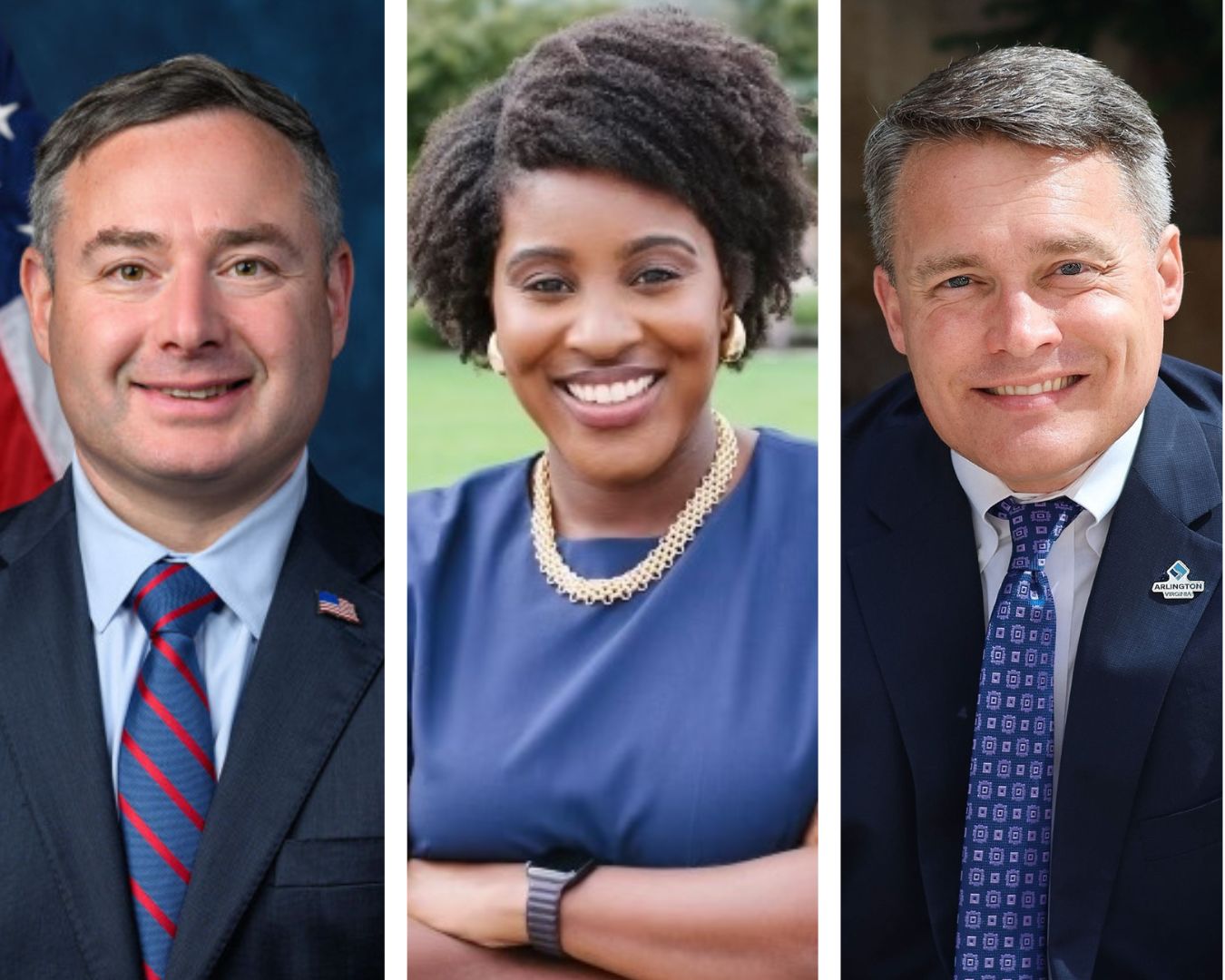
The political conversation around U.S. military action against Iran is intensifying, with lawmakers challenging the legality of any potential war and pressing for accountability. One notable voice in this debate is Representative Eugene Vindman, who argues that a U.S. war with Iran would be illegal under existing authorities and constitutional constraints. This line of critique adds a legal legitimacy lens to a crisis that has often been framed in strategic or moral terms.
Beyond the Beltway, local leaders are weighing in on collateral policy questions that could shape the domestic landscape as the administration considers its options. In Washington, D.C., Councilmember Christina Henderson has drawn attention to consumer policy matters that might seem unrelated at first glance but signal a broader pattern: how the federal policy environment could ripple into city governance, regulatory oversight, and everyday life for residents. Meanwhile, in the suburbs around the region, Arlington County’s Matt de Ferranti is weighing possible tax hikes as a pragmatic response to fiscal pressures that could be intensified by any prolonged international conflict.
Policy Snapshot
The central question—whether the U.S. should engage militarily with Iran—has moved into a granular policy debate: authorization, oversight, and legality under domestic law. Vindman’s position foregrounds constitutional prudence and the War Powers framework, arguing that without clear authorization or a robust justification, escalation risks legislative and judicial scrutiny.
Concurrently, municipal officials are preparing for a range of policy-relevant outcomes stemming from heightened geopolitical risk. Henderson’s emphasis on flushable wipes, while seemingly peripheral, underscores how policy attention can shift toward regulatory clarity and consumer protection amid broader national debates. Arlington County’s taxation discussions reflect how local budgets might absorb the impact of national security costs—fueling conversations about service levels, debt capacity, and long-term fiscal resilience.
Who Is Affected
- National policymakers: Legal scholars, constitutional experts, and congressional committees weighing oversight and authorization for any potential military actions.
- Local governments: City and county leaders who must translate national policy shifts into local regulations, public health considerations, and budget planning.
- Residents and taxpayers: People across federal districts and counties who would bear the direct consequences of defense spending, regulatory changes, and any resulting economic ripple effects.
Economic or Regulatory Impact
- Defense and security budgeting: A potential escalation would reallocate funds, affect defense procurement, and influence interest and inflation dynamics.
- Local fiscal health: For Arlington County and similar jurisdictions, tax policy discussions could determine service quality, capital projects, and long-term debt management amid uncertain national budgets.
- Consumer protection and regulation: Even contained policy debates at the municipal level can accelerate regulatory clarity on everyday items and services, with Henderson signaling a broader appetite for consumer safeguards under shifting federal priorities.
Political Response
- Bipartisan scrutiny: The legality debate invites a broader coalition of lawmakers across the spectrum who question or defend executive war powers.
- Municipal accountability: Local officials are signaling readiness to adapt regulatory and fiscal policies in response to changing national security priorities, signaling a more integrated approach between federal decisions and local governance.
- Public sentiment: The public’s views on military action, constitutional checks, and the cost of potential conflicts will shape campaign dynamics and constituent expectations for leadership.
What Comes Next
- Legal testing of executive authority: Expect more hearings and legal memos exploring War Powers Act interpretations and presidential authority in a dynamic security environment.
- Legislative strategy: Lawmakers may pursue clearer authorization pathways or constraints to ensure legitimacy and oversight.
- Local governance planning: Cities and counties will refine contingency budgets, procurement policies, and regulatory frameworks to remain resilient in the event of sustained conflict or economic disruption.
- Economic forecasting: Analysts will monitor defense outlays, market volatility, and potential tax policy shifts that influence local and regional economies.
Forward-Looking Perspective
The Iran-related debate is more than a single policy dispute; it’s shaping how the U.S. balances executive action with congressional accountability, and how domestic governance adapts to national security challenges. The convergence of legal arguments, regulatory pragmatism, and local fiscal planning points toward a more embedded model of governance—where national security decisions are assessed through the practical lens of everyday governance, budgetary discipline, and consumer protection. For voters and residents, the key signal is clear: the coming months will test the resilience of constitutional checks, the clarity of regulatory priorities, and the ability of local leaders to navigate uncertainty with prudent, citizen-focused policy making.