Strategic Overview
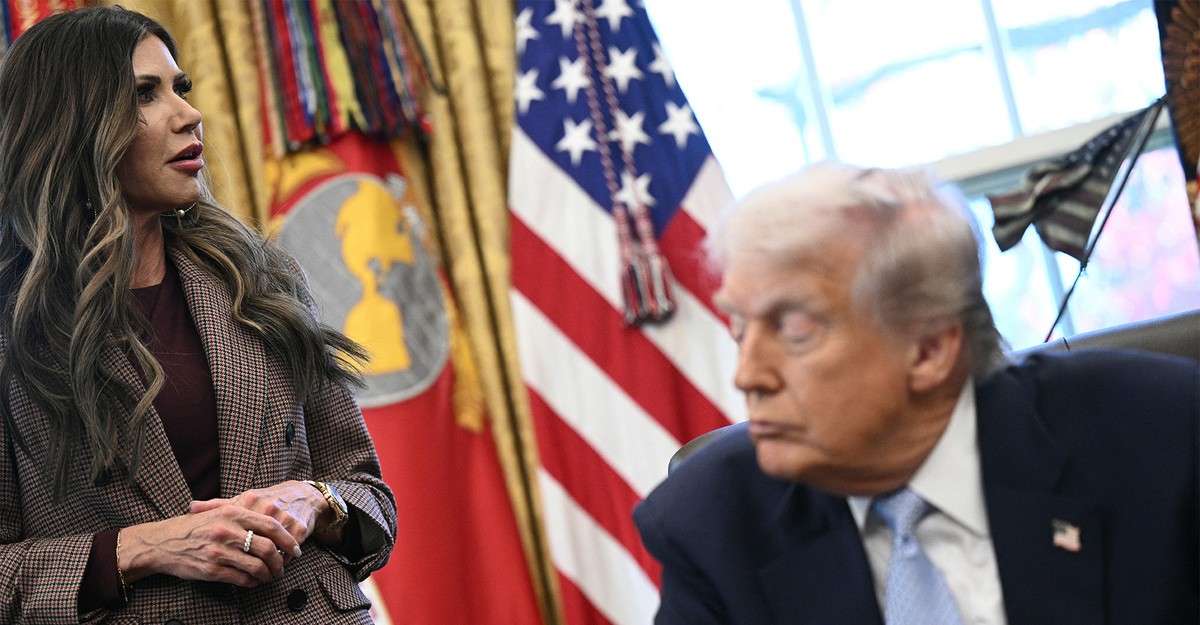
The relationship between former President Donald Trump and South Dakota Governor Kristi Noem has shifted from alliance to tension, signaling a recalibration of the 2026 Republican landscape. As congressional inquiries into contracts, campaign ads, and personal conduct gain traction, Noem’s standing within the movement appears endangered by institutional scrutiny and external pressures. This setback matters not only for Noem personally but for the broader GOP narrative about governance, integrity, and electability in a year when party unity is pivotal for winning the White House and Congress.
What Just Happened
Early indicators suggest a cascade of investigations and public disclosures surrounding Noem’s interactions with contracts and political advertising, coupled with scrutiny over extramarital conduct rumors. These issues have produced a delicate test for Trump’s influence: will he shield an ally to maximize an electoral coalition, or let internal pressures burn bridges that could fracture a shared anti-establishment message? The outcome will shape how the former president and his circle leverage loyalty versus accountability in a crowded 2026 field.
Electoral Implications for 2026
- Voter perception: The fallout could push some Republican voters toward caution, prioritizing perceived competence and ethical standards over maximal anti-incumbent rhetoric.
- Coalition risks: A rift with Noem, who had been a beacon for a scaleable, populist-leaning wing, may narrow the party’s ability to present a wide tent of regional and issue-focused voices.
- Primary dynamics: The scandalization of alliances could embolden rivals who frame the current leadership as opaque or politically combustible, complicating Trump’s ability to consolidate the base in key early states.
- Messaging strategy: Expect a pivot toward accountability, governance quality, and rule-of-law themes to address concerns about conduct while preserving critique of the current administration.
Public & Party Reactions
- Inside the party, leaders will weigh the trade-offs between signaling strong ethical standards and maintaining a unified, aggressive stance on policy momentum against perceived establishment friction.
- Supporters may rally around a narrative of loyalty and resilience, arguing that investigations are politically motivated and should not derail core policy goals.
- Opponents will likely seize the moment to depict the party as fragmented and prone to distraction, potentially widening fissures ahead of primaries and caucuses.
What This Means Moving Forward
- Governance and scrutiny: As candidates confront investigations and public transparency expectations, voters will demand clearer governance standards and less ambiguity around contracts and campaign resources.
- Policy cohesion: The more visible the rift, the more important it becomes for the GOP to articulate a coherent platform that transcends individual leadership personalities, focusing on economy, national security, and regulatory reform.
- Election mechanics: With 2026 shaping up as a test of resilience, party committees might prioritize bench-building, candidate vetting, and parallel messaging to minimize reputational risk from controversies.
- Long-term power dynamics: If the Trump-Noem dynamic weakens, other contenders who offer similar populist economic and social messages could gain traction, reshaping the orbit of the party for cycles to come.
Conclusion
The frictions between Trump and Noem highlight a broader trend: internal scrutiny and ethical expectations are becoming central to political viability in 2026. For voters, policymakers, and party strategists, the question is not just about policy positions but about trust, governance norms, and the capacity to translate anti-establishment sentiment into stable, effective leadership. How the GOP navigates these internal headwinds will influence not only the outcomes of upcoming elections but the shape of its governance philosophy for years ahead.