Overview
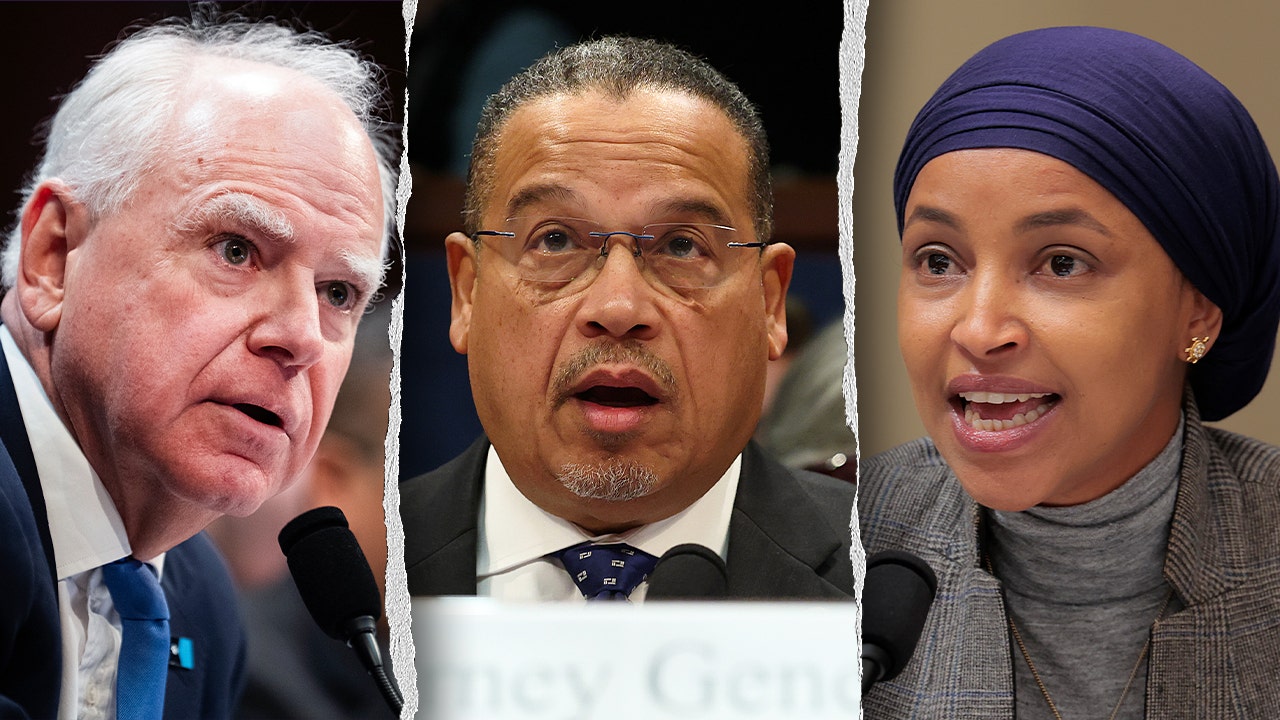
A high-stakes inquiry into a reported $10 billion fraud scandal has put Minnesota’s leadership under intense scrutiny. A tense congressional-style hearing spotlighted serious questions about governance, oversight, and the processes that allowed potential misuse of public funds to unfold. In the aftermath, Gov. Tim Walz and Attorney General Keith Ellison chose not to engage on certain questions, signaling a strategic pause amid a politically charged moment.
What Just Happened
Lawmakers pressed state officials about the scale and sources of the alleged fraud, requesting detailed accounting, timelines, and responsibility for safeguard failures. The hearing underscored concerns about how such a large sum could evade early detection and what this reveals about internal controls, auditing practices, and liability across agencies.
Public and Party Reactions
Public reaction has been swift and polarized. Supporters of stronger accountability call for rapid, transparent fiscal reforms and a comprehensive audit. Critics worry about the optics of silence from the state’s top executives, viewing it as a leadership deficit in a moment demanding decisive action. Within party lines, this episode is likely to influence upcoming policy debates, particularly around budget transparency, independent oversight, and the role of the governor’s office and attorney general in crisis management.
Policy Snapshot
- Oversight Mechanisms: The episode amplifies calls for strengthening independent auditing and watchdog functions within state government to deter fraud and detect anomalies earlier.
- Data and Transparency: Advocates push for centralized dashboards showing real-time budget execution, variance reporting, and procurement tracking to alert officials and the public to irregularities.
- Accountability Barriers: Questions arise about whether existing statutory remedies and disciplinary processes are robust enough to deter misuse and to recover lost funds swiftly.
Who Is Affected
- Taxpayers: Citizens face heightened scrutiny of how public funds are collected, allocated, and safeguarded.
- Public Sector Employees: Frontline workers and administrators may experience tighter controls, which could affect operations, procurement, and hiring for compliance roles.
- State Agencies: Agencies implicated in or adjacent to the fraud allegations may undergo reorganizations, new reporting requirements, and enhanced internal controls.
Economic or Regulatory Impact
- Budgetary Pressure: A fraud event of this magnitude could trigger pauses or adjustments in spending plans, affecting programs across education, health, and public safety.
- Compliance Costs: Agencies may incur higher costs related to auditing, monitoring systems, and external reviews as a condition of restoring public trust.
- Regulatory Reform: Bipartisan momentum for more stringent procurement regulations and vendor vetting processes could emerge, potentially reshaping how government contracts are awarded.
Political Response
- Public Officials: Walz and Ellison’s silence has become a focal point, with political actors weighing how to respond without appearing defensive or evasive.
- Legislative Action: Lawmakers may push for immediate legislative hearings, binding investigations, or budgetary amendments that mandate independent audits and more robust fiduciary oversight.
- Voter Sentiment: The handling of the hearing could influence perceptions of governance competence ahead of elections, shaping candidate messaging around accountability and integrity in state government.
What Comes Next
- Independent Audits: Expect rapid calls for independent, comprehensive forensic audits of the affected departments and agencies, with clear timelines and reporting milestones.
- Legislative Reforms: Potential rollout of enhanced procurement oversight, contract transparency requirements, and stronger anti-fraud statutes.
- Leadership Strategy: The Walz and Ellison teams may announce joint or coordinated statements, clarifying stances on accountability measures and outlining steps to restore public confidence.
- Legal Pathways: If wrongdoing is substantiated, investigations could lead to criminal referrals, civil actions, or administrative sanctions against individuals or organizations involved.
Context and Takeaway
This episode illustrates a broader trend in which large-scale public-finance controversies test the resilience of governance structures. The balance between transparency and strategic political maneuvering will shape both policy outcomes and public trust. As investigations unfold, the emphasis will be on concrete reforms, independent oversight, and a credible, timely explanation of how such a massive fraud could occur and be prevented in the future. The coming weeks will reveal how Minnesota’s leadership translates scrutiny into substantive governance improvements or risk escalations ahead of upcoming political cycles.