Overview
When a sitting secretary of homeland security is ousted, the political reverberations extend beyond personnel changes. The latest upheaval in the Trump-era leadership lineup has Republicans and Democrats jockeying not only over blame and accountability but also over how far investigations will go and whether impeachment remains on the table. For Democrats, the incident is less about the firing itself and more about preserving momentum for congressional scrutiny and potential legal consequences.
What Just Happened
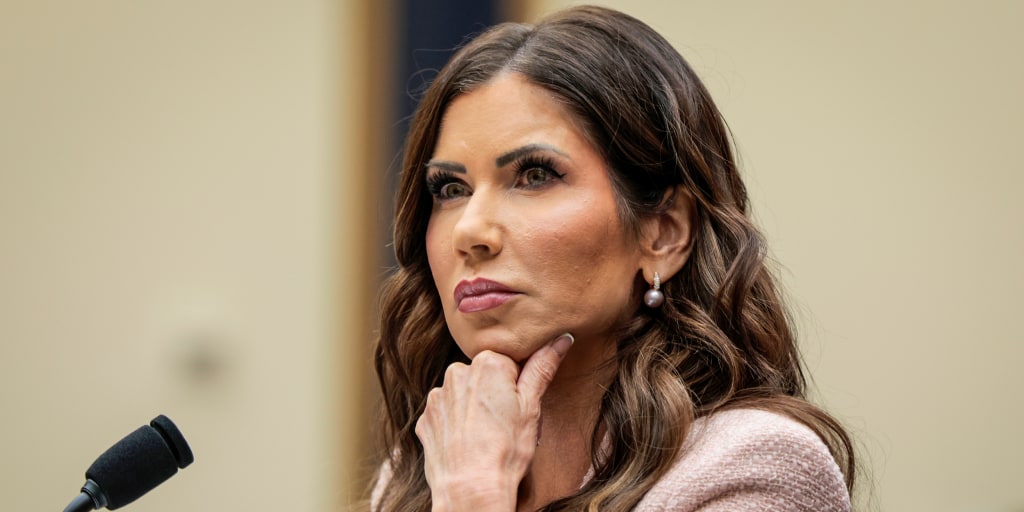
This episode centers on the removal of Kristi Noem from the role of homeland security secretary, a decision that aligns with the broader pattern of high-profile leadership changes within the administration. While the presidency has the authority to appoint or dismiss cabinet officials, opposition parties are emphasizing ongoing inquiries into policy decisions, management failures, or possible missteps that they believe warrant further examination. The immediate impact is a reorganization at the department and a renewed spotlight on the administration’s homeland security priorities.
Public & Party Reactions
Democrats quickly signaled that the political process would not end with the resignation or dismissal. Party leaders and committee members are articulating a strategy that includes intensified investigations into the department’s handling of border management, cybersecurity directives, disaster response coordination, and internal governance practices. Some lawmakers argue that impeachment could be considered if evidence reveals willful neglect of duties or serious misconduct, though any move would require substantial bipartisan support and a clear legal path.
Policy Stakes and Strategic Calculus
For the administration, the ouster raises questions about succession planning, policy continuity, and the risk of strategic drift in homeland security priorities. Democrats are framing the issue as a test of accountability—whether leadership decisions at the department level align with stated commitments on border security, critical infrastructure protection, and disaster preparedness. The broader political calculus involves how such a firing affects public trust, the administration’s ability to implement its security agenda, and the long-run credibility of oversight efforts in Congress.
Who Is Affected
- National security and border policy: Agencies within the department will need to stabilize leadership, potentially delaying ongoing initiatives or altering oversight expectations.
- Homeland security workforce: Civil servants and contractors may face uncertainty during transitions, affecting morale and operational efficiency.
- Congress: The fate of investigations and potential impeachment moves rests with committees controlling security and appropriations, as well as the party in power in both chambers.
Economic or Regulatory Impact
Immediate regulatory impacts may be limited, but there can be downstream effects on funding priorities and procurement decisions tied to homeland security programs. The leadership transition could influence efficiency in disaster response procurement, critical infrastructure protection initiatives, and cybersecurity investments. Over the medium term, policy direction shifts could affect grant allocations, interagency coordination, and compliance expectations for private sector partners.
Political Response
- Supporters of the administration emphasize the prerogative to appoint trusted leaders and the need for swift operational focus on evolving threats.
- Critics urge rigorous oversight, transparency, and accountability, arguing that a leadership change should be accompanied by a thorough review of departmental decisions, with potential legal remedies if misconduct is alleged.
What Comes Next
- Congressional investigations: Expect heightened inquiries by relevant committees, with subpoenas and document requests as tools to scrutinize decision-making and program outcomes.
- Impeachment calculus: Any impeachment discussion hinges on substantial evidence of misconduct or neglect and political feasibility across chambers. While not guaranteed, the conversation signals a strategy to maintain pressure on the administration.
- Leadership transition: The department will appoint an acting secretary or a confirmed successor. The new leadership will be under intense scrutiny to reassure partners, allies, and the public about continuity and competence.
Forward-Looking Risks
- Governance credibility: Ongoing investigations could either bolster accountability or risk prolonging partisan rancor if perceived as merely political theater.
- Policy implementation: Leadership instability may delay critical security initiatives and disrupt coordination with state and local partners during times of evolving threats.
- Electoral signaling: The episode may become a touchpoint in broader campaigns about government effectiveness, border policy, and national security competence heading into upcoming political contests.
In-Depth Context
This development sits at the intersection of leadership dynamics and governance accountability. While personnel shifts are routine in the executive branch, Democrats framing this episode as the continuation of a broader oversight strategy reflects a longer-term tactic: use high-profile changes to foreground policy questions, demand thorough answers from the administration, and keep the door open for further constitutional remedies if warranted by the facts.
Concluding Perspective
The ouster of a homeland security secretary is more than a personnel swap; it’s a crucible for accountability and a test of congressional appetite for sustained investigations and potential impeachment. As lawmakers map out their next moves, the administration will be judged on its ability to stabilize leadership, deliver on core security commitments, and demonstrate transparent decision-making under pressure. The coming weeks will reveal how far this moment will shape policy direction, oversight practice, and the political landscape around national security leadership.