Strategic Overview
Inside New York’s Democratic landscape, a growing faction challenge surrounds the governor’s push to modify CLCPA provisions. More than two-thirds of state senators from the party oppose the proposed changes, signaling a major policy pivot that could reshape the state’s approach to climate regulation, economic development, and energy innovation. The divergence comes at a moment when climate policy remains a top electoral and governance priority, with implications for 2026 races and party unity.
What Just Happened
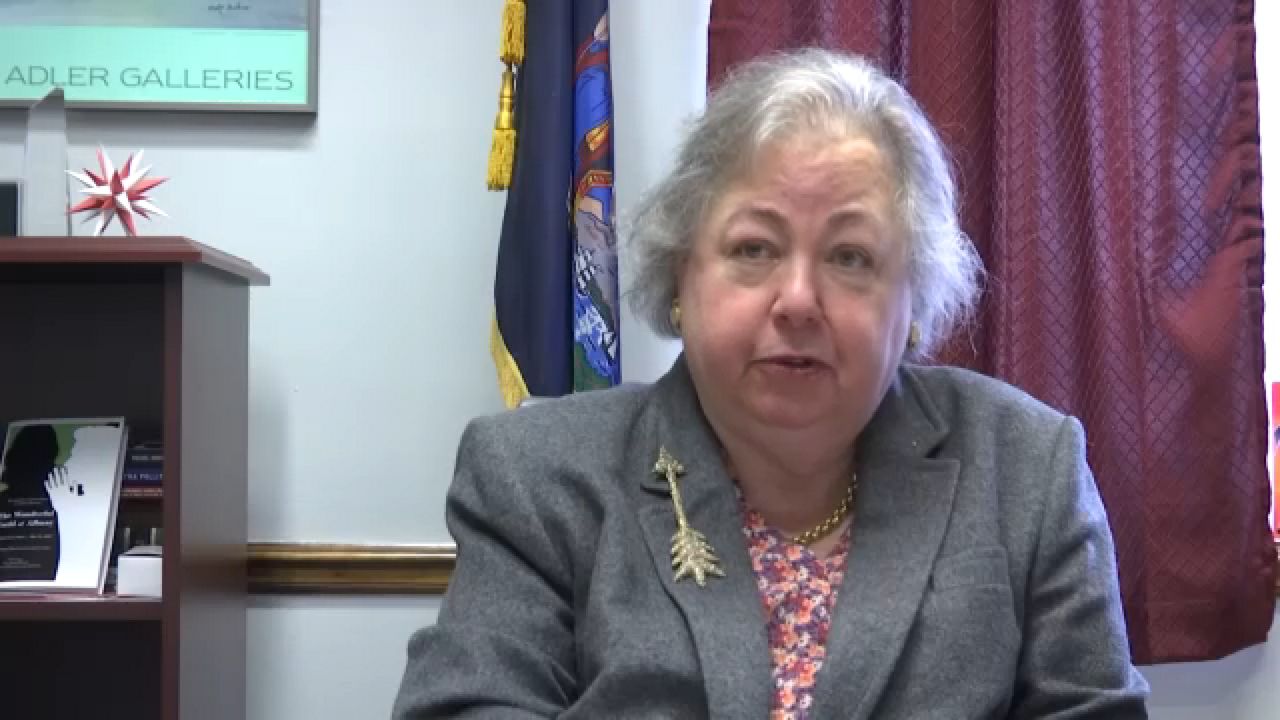
The dispute centers on revisions to the CLCPA, New York’s landmark climate law. Sen. Liz Krueger, a prominent voice within the Democratic caucus, publicly contested the governor’s portrayal of climate policy as straightforward, saying she believes the governor has been inundated with misinformation. Her critique underscores a broader skepticism within the caucus about the balance between aggressive decarbonization timelines and the practical impacts on jobs, energy reliability, and investment climate.
Electoral Implications for 2026
With a significant bloc of Senate Democrats resisting the governor’s changes, 2026 campaign dynamics are likely to hinge on climate policy credibility and how the party presents its climate record. The ongoing rift could become a proxy for voters weighing regulation vs. economic growth, especially in districts heavily influenced by energy, manufacturing, and infrastructure interests. Politically, the clash elevates the stakes for who is viewed as the most competent steward of New York’s ambitious clean-energy agenda.
Public & Party Reactions
Intraparty tensions are surfacing publicly, highlighting differing interpretations of climate policy messaging, cost burdens, and regulatory agility. Critics warn that destabilizing climate commitments could undo years of momentum, while proponents argue that flexibility is essential to ensure policy remains implementable and fiscally sustainable. The governor’s team faces the challenge of reconciling policy ambitions with concerns voiced by a large majority of Senate Democrats.
What This Means Moving Forward
- Policy Trajectory: If the internal opposition holds, expect continued debates over CLCPA provisions, with potential amendments that preserve core decarbonization goals while injecting regulatory guardrails or economic safeguards.
- Governance Signals: The split reinforces a broader trend in which climate policy becomes an arena of strategic governance, where messaging, stakeholder engagement, and cost considerations influence legislative outcomes.
- Electoral Strategy: Candidates will likely need to articulate clear stances on climate policy, energy reliability, and job impact to appeal to constituents in a climate-conscious yet economically diverse state.
Policy Snapshot
The CLCPA aims to accelerate clean energy adoption and reduce greenhouse gas emissions. The proposed changes seek to adjust implementation timelines, cost estimates, and regulatory mechanisms. The debate hinges on balancing robust environmental targets with the practicalities of energy supply, ratepayer impacts, and regional economic disparities.
Who Is Affected
- Businesses in energy, manufacturing, and infrastructure sectors
- Local governments implementing CLCPA-driven projects
- Consumers facing energy prices and utility regulation
- Workers and communities transitioning to a clean-energy economy
Economic or Regulatory Impact
Opponents argue that altering CLCPA provisions could dampen investment certainty and raise the risk of regulatory delays, potentially affecting job creation in renewable sectors and the broader economy. Supporters emphasize maintaining aggressive climate goals while incorporating safeguards that ensure affordability and reliability.
Political Response
Lawmakers opposed to the governor’s proposed changes are pushing for a version of CLCPA that preserves core mandates but allows for targeted adjustments. The administration faces pressure to demonstrate that any modifications will not undermine emissions reductions or the state’s leadership in climate policy.
What Comes Next
- Legislative negotiations illuminate the balance between climate ambition and practical governance.
- Possible committee hearings and targeted amendments could reframe the CLCPA changes in a way that mollifies a substantial bipartisan concern.
- Ongoing public messaging will be critical as the 2026 political cycle foregrounds climate policy as a defining issue.
Context
This development sits at the intersection of Democratic governance, climate ambition, and electoral strategy as New York navigates a complex federal-state policy environment. The outcome will influence not only environmental targets but also how the state positions itself in a broader national debate over climate regulation, energy security, and economic resilience.
Immediate Reactions to Watch
- Statements from other Senate Democrats detailing support or opposition to proposed changes
- Governor’s response outlining the rationale for policy adjustments
- Stakeholder feedback from industry groups, labor unions, and environmental advocates
In Summary
The clash over CLCPA changes reveals deeper questions about how aggressively New York should pursue climate goals while maintaining regulatory practicality. With a solid majority of Democrats opposing the governor’s proposed changes, the state’s climate policy path in 2026 will likely hinge on finding a workable compromise that preserves decarbonization momentum without compromising energy reliability or economic vitality.