Overview
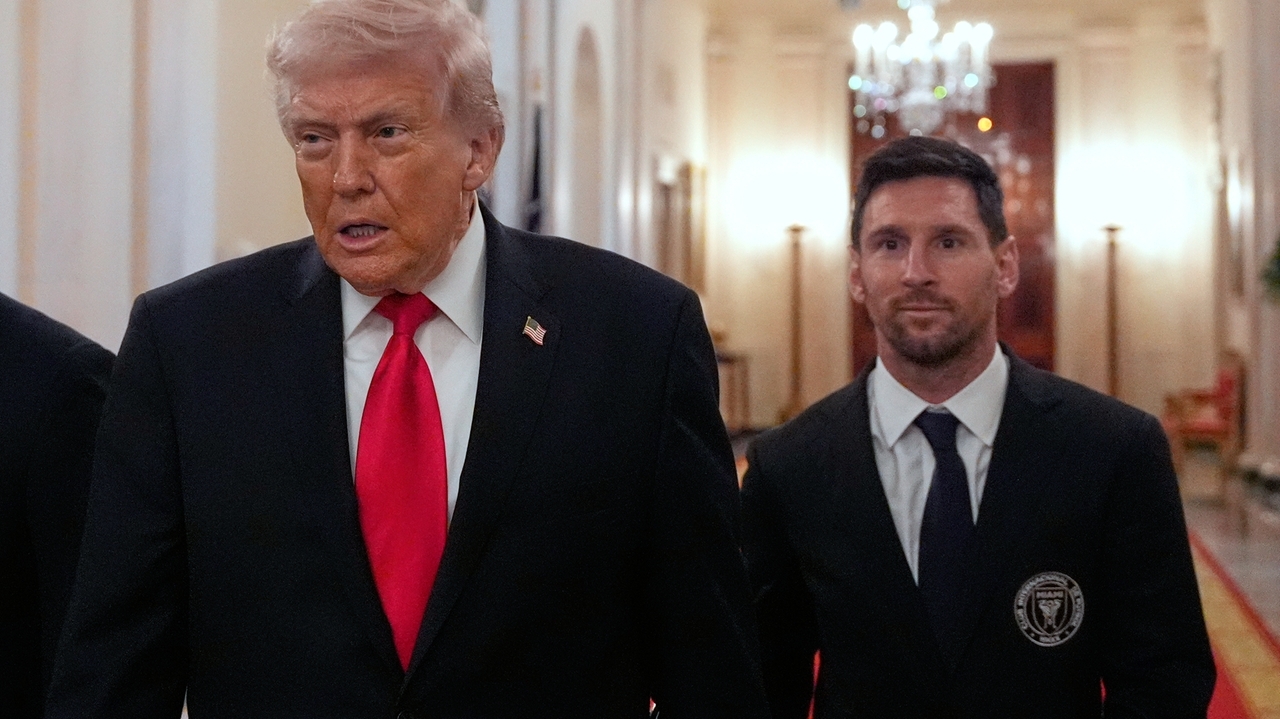
Lionel Messi’s appearance at the White House, wrapped in the aura of a high-profile sports figure crossing a new frontier, is less a routine celebrity moment and more a case study in how soft diplomacy intersects with domestic politics. The imagery—Messi, a glittering pink soccer ball, and a ceremonial setting—suggests a deliberate signaling strategy: sports as a bridge-builder, yet within a charged political environment.
What Just Happened
Messi’s White House visit punctuates a long-standing dynamic in which athletes, entertainers, and other public figures are leveraged to convey American openness to global talent and cultural exchange. The moment is framed as a ceremonial gesture rather than a formal policy shift, but its symbolism matters. In a year defined by polarized politics, such appearances can help shape narrative edges around inclusion, global competitiveness, and the United States’ soft-power toolkit.
Public & Political Reactions (What to Watch)
- Public sentiment is likely to hinge on broader perceptions of how the administration balances prestige diplomacy with substantive policy. Supporters may see Messi’s visit as emblematic of U.S. openness to international talent; critics may frame it as prioritizing optics over tangible policy outcomes.
- Politically, the moment could feed into conversations about how the government uses cultural diplomacy to complement traditional foreign policy tools, especially in Latin America and Europe where Messi’s global profile has resonance.
- Within Congress and party groups, reactions may vary by perspective on immigration, talent visas, and sport’s role in national branding. The symbolism could be cited in debates over funding for cultural diplomacy initiatives or international outreach programs.
Strategic Implications
- Soft Diplomacy versus Hard Policy: The visit underscores the enduring value of soft power but also highlights the gap between ceremonial gestures and concrete policy leverage. Expect discussions about tying such moments to longer-term collaborations—e.g., youth sports development, cultural exchange, or education initiatives—that could tangibly benefit U.S. communities.
- U.S.-Latin America Relations: Messi’s global appeal intersects with a regional narrative about talent migration, sports infrastructure, and bilateral engagement. The White House moment may be used to illustrate U.S. interest in maintaining cordial cultural ties with Latin American audiences, even as other policy fronts dominate headlines.
- Domestic Messaging and Brand Building: For administrations seeking to project inclusivity and global leadership, high-visibility visits by non-political figures can humanize policy talk and broaden appeal beyond traditional constituencies. The key risk is allowing optics to eclipse policy accountability.
What Comes Next
- Policy Commentary: Expect pundits and lawmakers to juxtapose this moment with ongoing debates about visas, international student and athlete exchanges, and funding for international sports diplomacy programs.
- Follow-on Engagements: The event could be followed by targeted cultural or educational outreach, partnerships with organizations leveraging sport for youth development, and potential announcements that frame sports as a conduit for civic engagement.
- Governance and Accountability: Scholars and policymakers may call for clearer reporting on the strategic aims of celebrity diplomacy, including measurable outcomes and accountability for the domestic benefits of such engagement.
Conclusion
Messi’s White House appearance is more than a flash of celebrity glamour. It signals an ongoing approach to governance that values reputation-building and soft diplomacy, even as policymakers navigate complex domestic and international challenges. In 2026, the administration’s ability to translate such symbolic moments into tangible gains—whether in Latin America, in sport-related policy, or in broader governance—will be a telling indicator of how the U.S. blends prestige with policy substance.