Overview
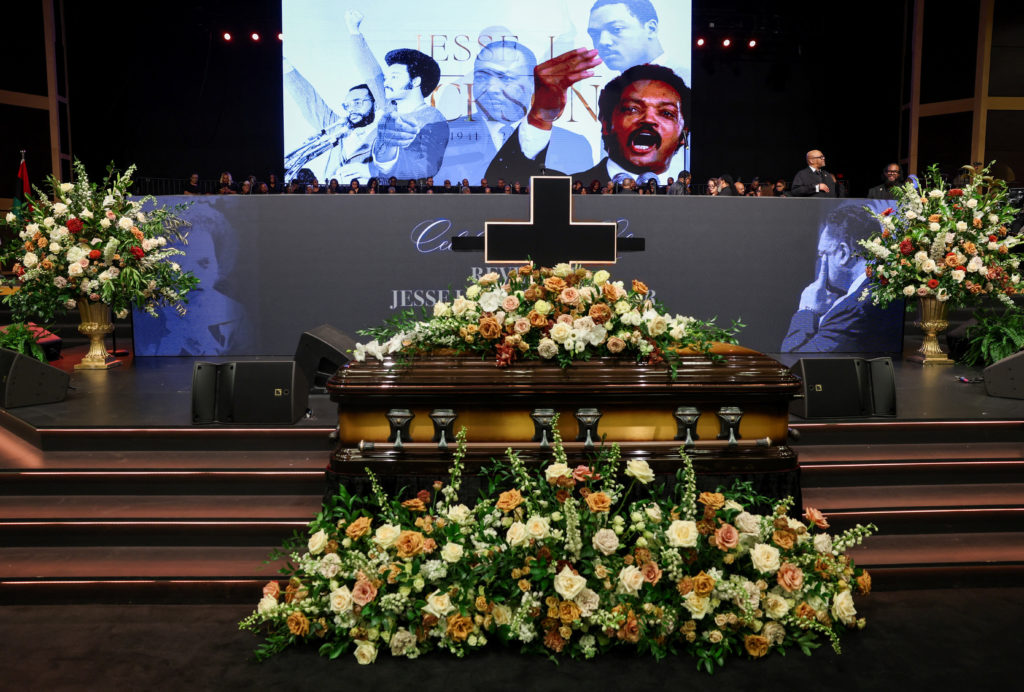
A high-profile memorial service in Chicago for Rev. Jesse Jackson Sr. is drawing an all-star roster of attendees, including former U.S. presidents, renowned artists, clergy, and elected officials. The gathering signals not only a moment of reflection on a storied civil-rights legacy but also how leadership networks and policy influence continue to coalesce around icon figures in American public life.
What Just Happened
The planned celebration of life brings together three former U.S. presidents, prominent cultural figures, and local leaders to honor Jackson’s decades-long work on civil rights, economic opportunity, and community development. While the event is ceremonial, its guest list underscores a convergence of political capital and social impact organizations that have long shaped policy conversations at city hall and beyond. Observers note that these gatherings often function as soft power moments—opportunities for donors, advocates, and legislators to articulate priorities and signal long-term governance agendas.
Public & Party Reactions
Expectations across political camps vary, but the underlying message is clear: Rev. Jackson’s legacy remains a touchstone for conversations about equity, education, criminal justice reform, and inclusive economies. For progressives, the memorial reinforces a continued push to weave social justice into policy platforms; for moderate voices, it highlights the need to translate moral leadership into practical reforms. The event also serves as a focal point for faith-based and community organizations to press for concrete policy wins in education funding, workforce development, and neighborhood revitalization.
Policy Implications and Governance Signals
- Civic leadership and policy translation: The memorial spotlights how influential figures can help convert advocacy into sustainable governance programs. Expect renewed calls for more robust public-private partnerships and targeted public investments in underserved communities.
- Equity and opportunity initiatives: Jackson’s legacy leans into programmatic emphasis on workforce training, accessible healthcare, and pathways to entrepreneurship. Lawmakers and agencies may feel increased pressure to propose or protect funding for these areas amid competing budget priorities.
- Community engagement as a governance tool: The presence of clergy and local officials underscores the ongoing role of community-driven oversight in policy design and implementation. This dynamic can influence budgeting decisions, oversight mechanisms, and program evaluation standards at the state and municipal levels.
What Comes Next
In the wake of the memorial, expect a spate of policy dialogues anchored by stakeholders who want to turn symbolism into tangible results. Legislative committees, grant-making bodies, and city-level partnerships could accelerate initiatives that align with the broader themes of Jackson’s work: equal opportunity, education access, and inclusive economic growth. Public-facing initiatives—such as civics education campaigns, job training grants, and neighborhood investment programs—are likely to rise in profile as policymakers seek to demonstrate accountability and progress.
Context
Rev. Jesse Jackson Sr. emerged as a transformative figure in American civil rights and community advocacy, influencing political discourse across generations. His legacy intersects with ongoing debates about how best to mobilize communities, allocate resources to address disparities, and maintain resilient democratic institutions. The Chicago memorial, while personal in tone, is also a strategic signal about who leads public conversations on governance and how those voices shape policy.
Immediate Reactions
Analysts will be watching for statements and policy proposals tied to the event’s momentum. The coverage is likely to highlight intergenerational leadership dynamics, the role of faith and civil society in policy messaging, and the practical steps politicians can take to honor Jackson’s legacy through concrete governance actions.
Long-Term Significance
As leadership and governance continue to evolve in 2026, memorials like this can recalibrate political capital and policy priorities. By elevating a figure whose work bridged civil rights activism and pragmatic policy reform, Chicago and national audiences gain a lens into how enduring legacies influence contemporary governance strategies, especially around equity, education, and economic inclusion.
Note: The article above reframes the event within a leadership and governance trends lens, focusing on how memorials of influential figures shape policy conversation, strategic alliances, and the translation of moral authority into governance outcomes.