Overview
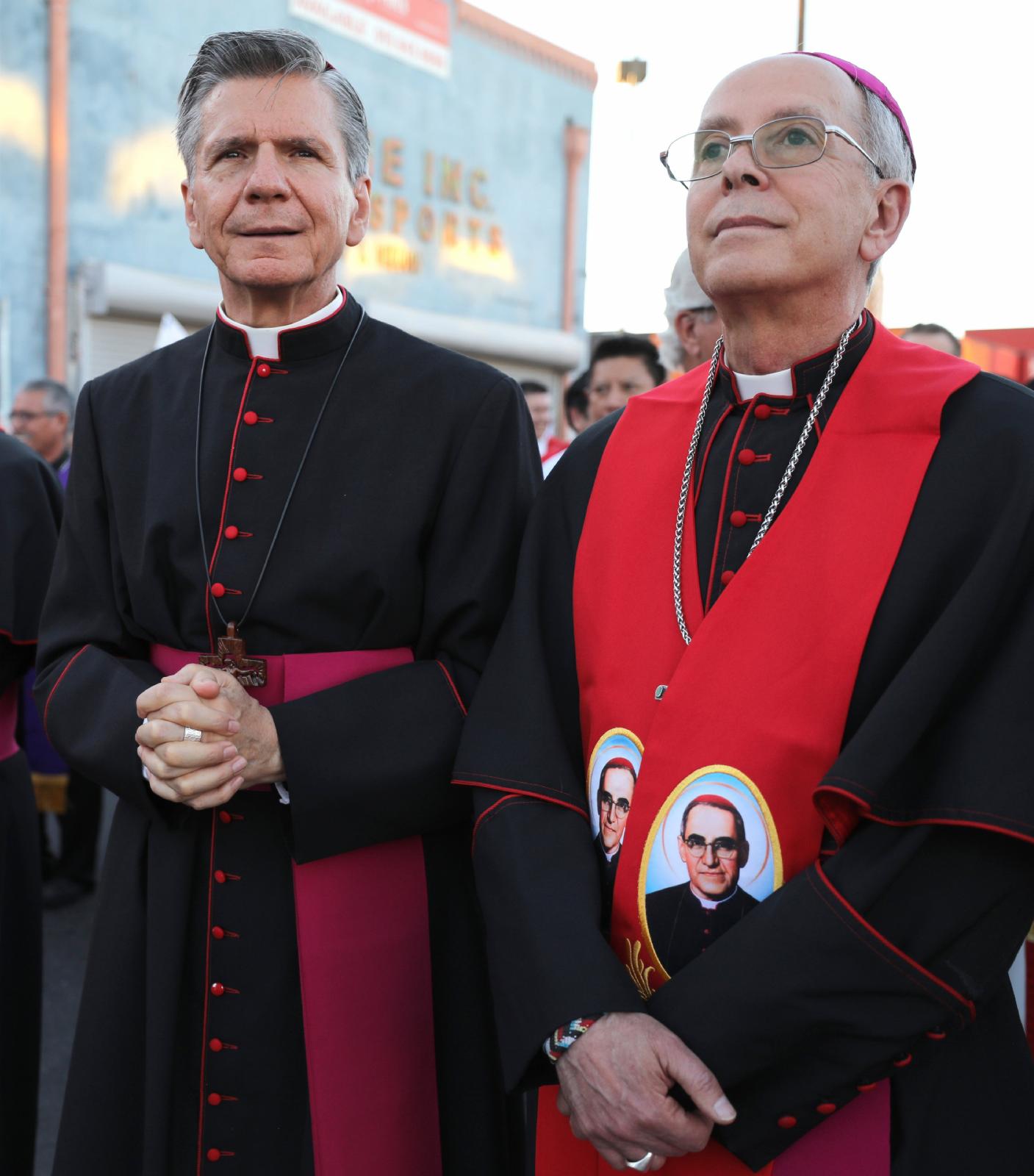
Religious leaders are increasingly placing migration and border treatment at the center of the public policy conversation along the Texas-Mexico border. In recent discussions among the so‑called Tex‑Mex bishops—a regular gathering of Catholic leaders from both sides of the border—the focus has shifted from purely pastoral concerns to broader questions about how profit-driven interests and political calculations shape humane treatment of migrants. The developing dialogue signals a convergence of faith, governance, and regional strategy that could influence local, state, and national discussions on immigration policy and border management.
What Just Happened
A bipartisan, cross-border cohort of Catholic bishops convened to reflect on the humanitarian dimensions of border policy and the role that incentives—and sometimes political theatre—play in shaping real-world outcomes for migrants. The discussions aim to elevate moral and pastoral considerations in policy debates, while also acknowledging the practicalities faced by border communities, law enforcement, humanitarian organizations, and migrants themselves. Though no formal policy shift was announced, the conversations underscore a growing expectation that policy decisions be evaluated not only on deterrence or enforcement metrics, but also on humanity, dignity, and sustainable governance.
Public & Political Reactions
Reaction to religious leadership’s immersion in migration debates is mixed. Supporters argue that faith-led advocacy can press policymakers toward more humane, accountable approaches that safeguard human rights without compromising border security. Critics warn that religious leaders stepping into highly political terrain risk politicizing faith-based positions or complicating legislative processes. Observers note that border communities have long wrestled with competing priorities: public safety, economic vitality, and humanitarian obligations. The latest discussions add a new dimension by highlighting the intersections of faith, commerce, and political positioning—elements that can influence both local sentiment and broader electoral narratives around immigration and border policy.
Policy Signals and Implications
- Humane treatment as a policy imperative: The emphasis on dignity for migrants suggests potential momentum for reforms that improve processing efficiency, reduce family separations, and increase oversight of detention conditions.
- Economic considerations: Local economies depend on cross-border exchange; policy approaches that streamline legitimate trade while tightening safety protocols could gain broader support if framed around stability and human welfare.
- Governance and accountability: The dialogue signals a demand for clearer accountability mechanisms—ensuring that humanitarian commitments are backed by transparent procedures and measurable outcomes.
- Political optics and messaging: Religious leaders’ involvement can affect how policymakers communicate migration policy, potentially reframing issues away from solely punitive rhetoric toward multisector solutions that consider faith-based ethics, economic impacts, and community resilience.
What Comes Next
Expect a continued cross-border exchange among faith leaders, policymakers, and community organizations. As border dynamics evolve—driven by economic shifts, humanitarian needs, and security concerns—these discussions could translate into practical proposals for improving migrant care, refining asylum processes, and enhancing regional collaboration. Watch for:
- Legislative hearings or policy briefs that reference humanitarian standards as benchmarks for border management.
- Pilots or pilots-in-progress aimed at faster asylum adjudication or safer migrant transport.
- Increased collaboration between faith groups, humanitarian NGOs, and local governments to align resources with defined, measurable outcomes.
Tone and Context
The investigation into border policy through a faith-led lens reflects broader governance trends: stakeholder breadth, value-driven policymaking, and an emphasis on human-centered metrics. While the exact policy outcomes remain to be seen, the shift signals an evolving framework for how communities balance security, economy, and humanitarian obligations at the nation’s edge. For U.S. policymakers, business leaders, and voters, the message is clear: non-governmental voices—especially those rooted in regional experience and moral clarity—are now part of the migration policy calculus, potentially shaping both priorities and the pace of reform.