Situation Brief
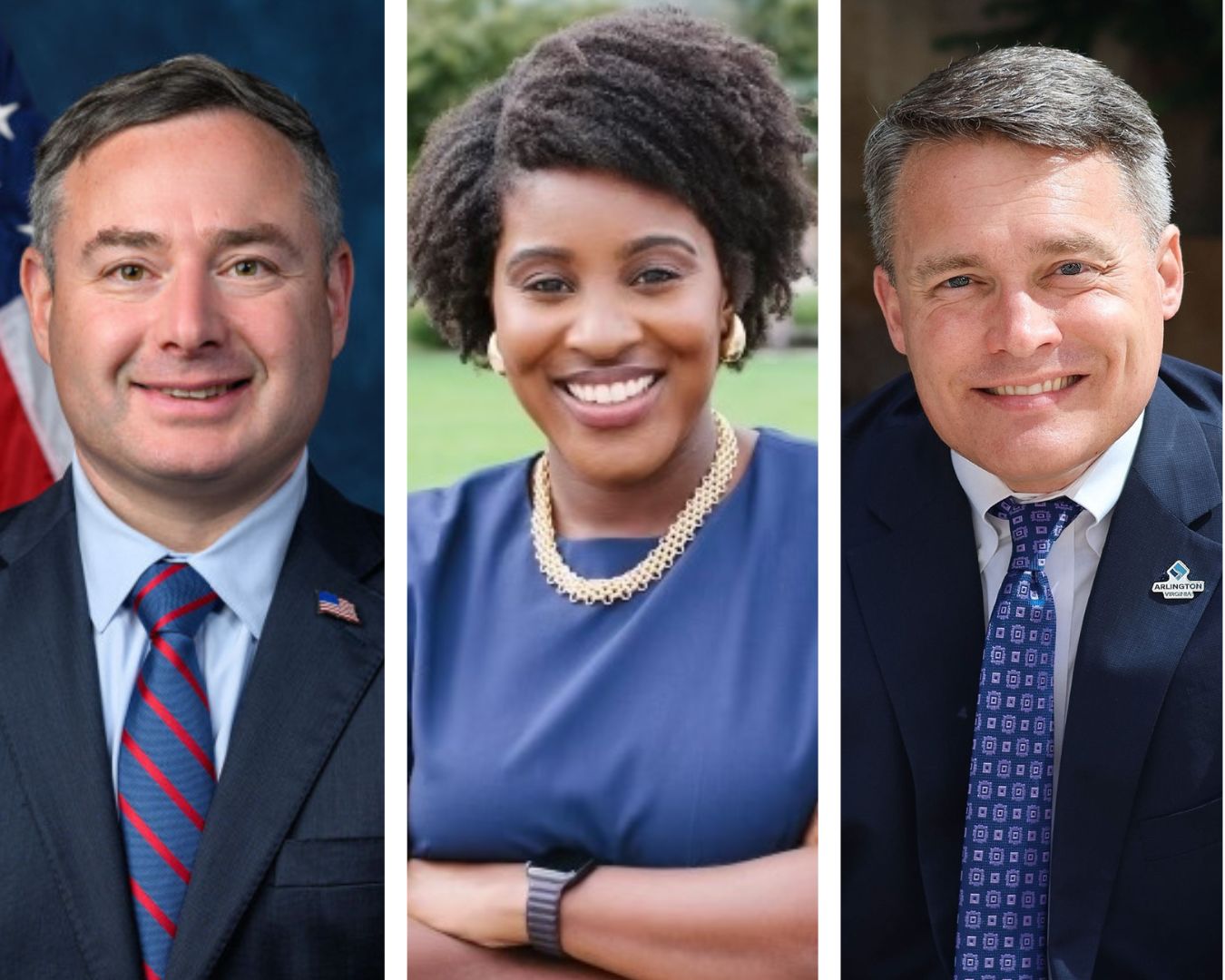
In the evolving landscape of U.S. foreign policy, the central question remains: is a prospective military campaign against Iran lawful? A prominent voice in the debate is Rep. Eugene Vindman, who argues that a U.S. war with Iran would be illegal under current legal and constitutional frameworks. Separate but timely local perspectives accompany that national conversation: Arlington County’s Matt de Ferranti weighs the potential fiscal consequences of proposed tax increases at the local level, while D.C. Councilmember Christina Henderson draws attention to consumer and public health policy by addressing flushable wipes and sanitation-related regulatory questions. Taken together, these voices illuminate how international decisions ripple through domestic governance and household budgets.
Strategic Stakes
- International legality: The legality of unilateral military action against Iran is a contentious bottleneck in foreign policy, potentially shaping Congress’s oversight role, executive authority, and future authorization norms.
- Domestic governance: Local officials are tasked with preemptive planning for potential Federal policy shifts, from budget reallocations to service delivery adjustments. Even when foreign policy battles seem distant, municipal and county governments must prepare for budgetary and regulatory changes.
- Fiscal resilience: Tax policy debates at the county and city levels reflect broader concerns about funding essential services, infrastructure projects, and public health initiatives. A tax increase could alter resident cost of living, business climate, and regional competitiveness.
Impact on US Interests
- Diplomatic posture and credibility: Legal challenges to military action could constrain or recalibrate U.S. leverage in diplomacy, coalition-building, and crisis response.
- Economic and security implications: Any escalation would affect energy markets, defense spending, and regional stability, with ripple effects on federal and local budgets.
- Governance legitimacy: Public and legal scrutiny reinforces the importance of transparent decision-making processes and robust oversight mechanisms.
Local and Political Repercussions
- Arlington County considerations: County leadership, including Matt de Ferranti, is assessing how financial planning and tax policy could fund essential services amid broader federal policy shifts. The conversation signals a preparedness mindset among local officials to manage uncertainty without sacrificing core investments.
- Washington, D.C. course corrections: Councilmember Henderson’s focus on public health policy—specifically flushable wipes—illustrates how regulatory decisions at the city level can influence sanitation systems, environmental compliance, and consumer protection. These issues often serve as barometers for a city’s capacity to manage cross-cutting policy challenges in a tense geopolitical climate.
What Comes Next
- Legislative and legal milestones: Expect continued debate over congressional authorization, executive decision-making processes, and potential court challenges to military action plans.
- Local policy evolution: Municipalities will likely advance budget proposals that anticipate shifts in federal funding, along with targeted regulations that safeguard public health and infrastructure.
- Public discourse: Media and civic forums will scrutinize the balance between national security imperatives and constitutional safeguards, shaping public trust and political capital for leaders at all levels.
What to Watch
- Legal challenges and congressional responses to any proposed military action.
- Budget deliberations at the county and city level, focusing on how to buffer residents from potential tax or service-munding adjustments.
- Regulatory initiatives in public health and sanitation that could set precedents for broader urban governance.
Tone and Approach
This analysis maintains a geopolitically informed, readable tone that explains the intersection between national security decisions and local governance. It emphasizes policy implications, regulatory readiness, and the practical effects on households and public services, offering readers a clear sense of how global conflict choices translate into everyday governance and fiscal planning.