Strategic Overview
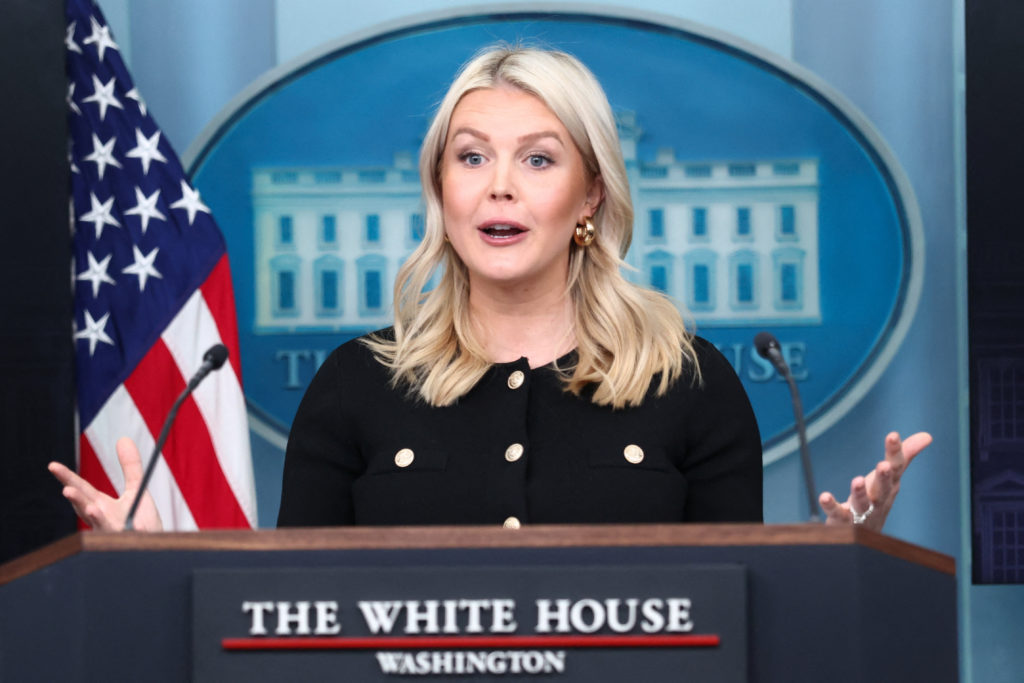
As fresh commentary and parallel actions unfold in Washington, the White House briefing is underscored by two converging threads: the execution of recent U.S. strikes on Iran and a looming congressional vote on war powers. The administration faces a tightening web of strategic decisions: how to justify punitive or preventive actions to the public, how to secure bipartisan support for ongoing military operations, and how to assuage lawmakers who demand clearer accountability and limits. This moment is less about a single incident and more about the broader posture the United States adopts toward Iran and the rebalancing of executive-legislative authority in foreign policy.
What Just Happened
In the immediate term, U.S. authorities executed targeted operations aimed at signaling resolve against Iranian-backed threats while aiming to minimize broader regional escalation. These moves have intensified scrutiny from lawmakers and strategists who are weighing the case for maintaining, expanding, or curtailing military options. The White House press briefing is expected to address the legal and moral rationales behind the strikes, the anticipated scope of ongoing operations, and the administration’s long-term strategy for deterrence in the Persian Gulf. While details remain sensitive, officials will likely emphasize the precision and proportionality of actions and insist there is a defined mission aligned with national security objectives.
Electoral Implications for 2026
War powers and foreign policy are increasingly potent terrain for the 2026 electoral landscape. Voters show heightened interest in how the administration uses military force, the transparency of authorization, and the oversight mechanisms that constrain or empower presidents in conflict. For Republicans, the framing centers on accountability and the perceived limits of executive action, while Democrats may push for clearer criteria, civilian oversight, and a pathway to de-escalation. The upcoming vote on war powers could become a litmus test for candidate credibility on national security, with the potential to influence suburban and swing-state constituencies that prize stability and measured intervention. Expect campaign messaging to hinge on whether incumbents can articulate a credible, lawful framework for using force and a clear plan to end hostilities when objectives are achieved.
Public & Party Reactions
Early reactions underscore a divide between demands for decisive action and requests for greater transparency. Advocates of robust U.S. deterrence argue that measured strikes preserve regional leverage and deter adversaries. Critics warn against mission creep and argue that the executive branch bears the responsibility of transparent, timely authorization and explicit sunset clauses. Within parties, lawmakers are signaling a willingness to demand more robust reporting, a clearer timetable for exits, and stronger congressional checks — moves that could complicate rapid decision-making in high-stakes scenarios. Public sentiment will likely hinge on perceived effectiveness of the strikes, the clarity of the rationale, and confidence that Congress exercises proper oversight.
What This Means Moving Forward
- Governance and oversight: The war powers debate is resurfacing as a central governance issue. Expect legislation or amendments that push for clearer authorization, periodic reporting, and defined exit strategies to accompany overseas actions.
- Strategic posture: The administration will need to articulate a long-term strategy for Iran that balances deterrence with potential diplomacy. The White House briefing may outline red lines, acceptable risks, and the conditions under which operations would scale up or wind down.
- Economic and diplomatic signals: Ongoing conflict dynamics influence alliances, regional diplomacy, and market expectations. Investors and partners will be watching for stability signals, sanctions calibration, and the administration’s capacity to coordinate with allies on joint responses.
- Electoral calculus: For 2026 candidates, the narrative around war powers and foreign engagement offers a platform to contrast visions for leadership under pressure, outlining how to prevent prolonged entanglements while preserving national security interests.
Forward-Looking Risks
- Escalation risk: Miscalculation could widen conflict, prompting a broader regional crisis with unpredictable economic and humanitarian consequences.
- Domestic frictions: Partisan battles over authorization and oversight could stall other legislative priorities or create a patchwork of regional policies on defense.
- Public trust: The administration’s ability to communicate a coherent strategy and measurable outcomes will shape public confidence in foreign policy and governance.
In Summary
This briefing and the accompanying war powers debate signal a defining moment for U.S. foreign policy and executive-legislative balance. As the administration justifies actions, lawmakers push for clearer authority and oversight, and voters assess the strategic long game, the coming weeks will reveal how the United States intends to project power, deter threats, and manage the delicate equilibrium between decisive action and democratic accountability.