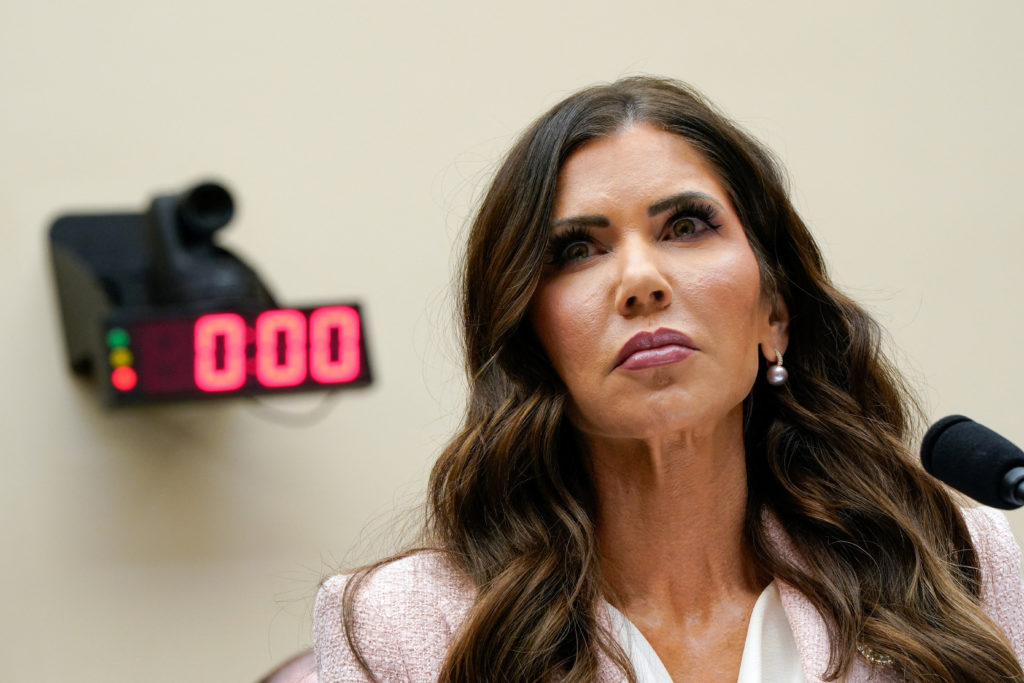
Strategic Overview
President Donald Trump has announced a high-stakes cabinet shift that could recalibrate the administration’s approach to homeland security and regulatory governance ahead of the 2026 electoral cycle. By replacing Kristi Noem with Oklahoma Sen. Markwayne Mullin as Homeland Security Secretary, the administration signals potential shifts in priorities, staffing philosophy, and risk tolerance for enforcement and border management. The move arrives amid ongoing debates over immigration, counterterrorism, cyber resilience, and administrative efficiency, testing how the new leadership will translate campaign-era commitments into governing priorities.
What Just Happened
Trump publicly affirmed the replacement of Kristi Noem, appointing Sen. Markwayne Mullin to helm the Department of Homeland Security. Mullin, a Republican with a strong conservative and populist profile, brings a different portfolio of policy instincts compared with Noem. The transition underscores a broader DHS leadership churn and a focus on reaffirming security-first priorities while navigating bipartisan pressures on immigration policy, supply-chain resilience, and disaster response. While the formal nomination and confirmation process will determine the exact scope of authority, the selection signals a strategic pairing of a security-minded secretary with a president seeking to emphasize border control, coastal and inland resilience, and regulatory recalibration.
Electoral Implications for 2026
- Messaging and coalition-building: Mantaining a tough-on-security posture can energize a base that prioritizes border control and homeland resilience. Mullin’s background may help the administration appeal to voters concerned about crime, border integrity, and national security.
- Regulatory posture: A directive to tighten DHS regulation and enforcement could align with broader GOP messages about efficiency, budget discipline, and reducing bureaucratic inertia. This may influence campaign talking points and legislative ambitions around immigration reform, port of entry modernization, and cybersecurity standards.
- Senate dynamics and confirmation politics: Mullin’s nomination will test bipartisan willingness to support DHS leadership changes, particularly on immigration and border policy. The process could become a focal point for debates over DHS’s organizational structure, funding, and policy direction.
- 2026 policy contrasts: Opponents may frame this as a high-stakes maneuver to recalibrate security policy away from earlier administrations’ priorities. Supporters will argue it strengthens national security and response readiness, potentially shaping voter perceptions of competence and executive decisiveness.
Public & Party Reactions
- Republican base and allied groups are likely to welcome a hardened stance on border security and disaster preparedness, viewing Mullin as a pragmatic choice with legislative experience.
- Democratic policymakers and advocacy groups may scrutinize shifts in enforcement strategy, questioning potential impacts on civil liberties, migrant protections, and the balance between security and humanitarian obligations.
- DHS career staff and law enforcement partners will be watching for changes in leadership tone, budget allocations, and policy directives that affect interagency collaboration, intelligence sharing, and emergency response coordination.
What This Means Moving Forward
- Policy trajectory: Expect a push toward reinforcing border controls, accelerating infrastructure projects at ports of entry, and sharpening cyber and critical infrastructure protections. Legislative relations will focus on securing funding while preserving essential civil liberties safeguards where feasible.
- Administrative modernization: Mullin’s leadership could prioritize operational efficiency, talent retention, and clearer mission objectives within DHS components, including Customs and Border Protection, the Federal Emergency Management Agency, and cybersecurity offices.
- Risk management and resilience: A central emphasis on disaster preparedness and resilience may shape funding allocations for natural disaster risk reduction, climate-related threats, and supply-chain security.
- Oversight and accountability: Expect heightened congressional scrutiny of DHS performance metrics, enforcement outcomes, and regulatory reforms. The administration will need to balance security imperatives with transparency and accountability to maintain public trust.
Tone and Analysis
This leadership change is less about a single policy shift and more about signaling a deliberate recalibration of DHS’s operating tempo and strategic priorities. Mullin’s selection points to a governance stance that blends security emphasis with an appetite for regulatory clarity and administrative efficiency. For voters and stakeholders, the question is how this leadership pair translates campaign rhetoric into pragmatic, measurable outcomes across border management, disaster readiness, and the cyber domain.
Key takeaways for observers:
- The DHS reboot signals the administration’s intent to sharpen enforcement and resilience capabilities ahead of 2026.
- Confirmation hearings will reveal the governor-general’s approach to interagency collaboration, budget discipline, and civil liberties considerations.
- The move will frame the upcoming policy debate on immigration, border infrastructure, and homeland security funding as a central campaign and governance issue.
Context and Background
The Department of Homeland Security has long stood at the intersection of immigration policy, national security, disaster preparedness, and regulatory governance. Leadership changes at DHS often reverberate through multiple agencies and regulatory regimes, influencing how we assess security readiness, border management, and critical infrastructure protections. As the 2026 political landscape evolves, this cabinet transition will be a focal point for both strategic policymaking and electoral messaging.
Final thought
As with any major cabinet maneuver, the true impact will hinge on the administration’s ability to translate leadership change into tangible improvements in safety, efficiency, and trust — both with the public and with DHS personnel who execute its mission every day.