Situation Brief
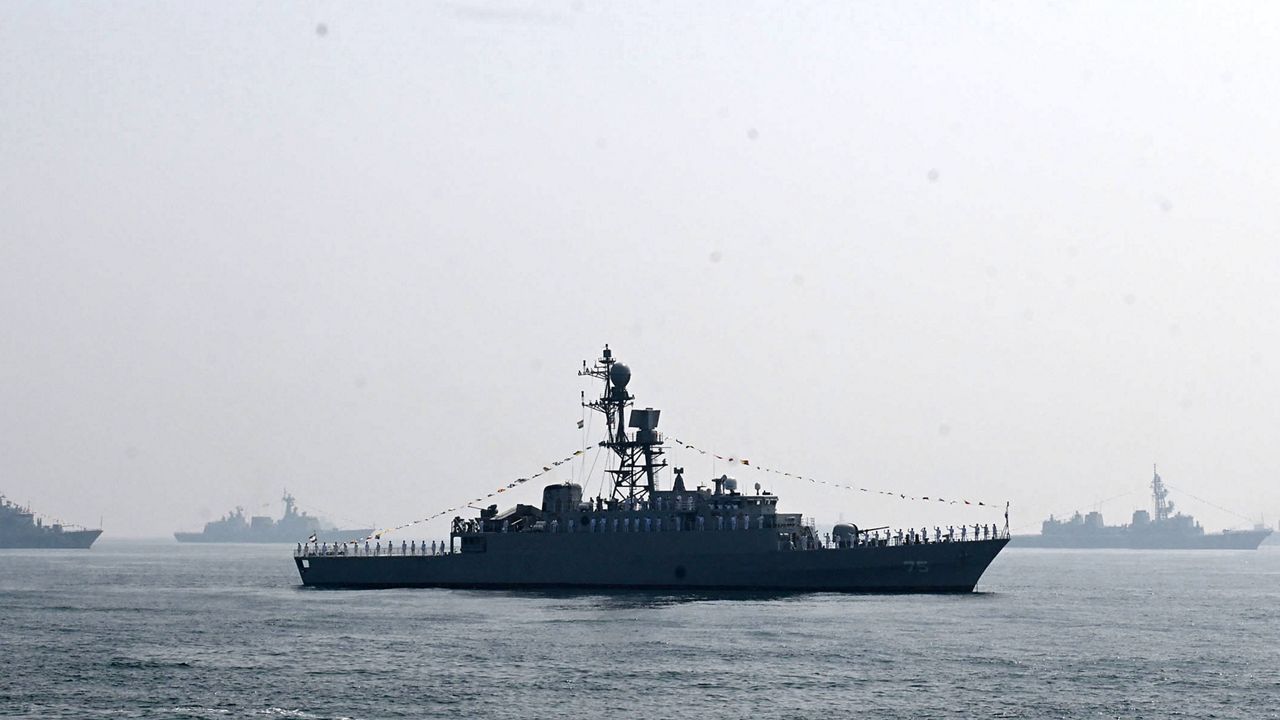
A recent naval incident involving an Iranian warship, reportedly sunk amid ongoing hostilities linked to U.S.-Israel adversarial posture toward Iran, has sparked fresh considerations about the trajectory of Middle East security and global power dynamics. The vessel, which was said to be returning from an India-hosted exhibit, becomes a symbol of how regional flashpoints intersect with great-power competition. The event occurs against a broader backdrop of escalating rhetoric, naval maneuvers, and strategic calculations by Iran, the United States, and its allies in the region.
Strategic Stakes
The sinking underscores several high-stakes pressures shaping international conflict in 2026:
- Deterrence and escalation risk: A single naval incident can quickly widen into broader regional confrontation, raising the potential for miscalculation despite limited direct U.S. involvement on the ground.
- Deterrence credibility: Iran’s response patterns in recent years emphasize signaling through naval and cyber domains, aiming to deter external pressure while preserving room for strategic concessions.
- Alliance signaling: U.S. and Israeli policymakers have repeatedly used maritime and aerial operations to demonstrate resolve, while courting regional partners to share the burden of containment and risk management.
Impact on U.S. Interests
The incident has several implications for U.S. policy priorities:
- National security and military posture: Reinforced emphasis on protecting critical sea lanes and ensuring power projection capabilities in international waters, especially near strategic chokepoints.
- Diplomatic leverage: The event tests America’s ability to coalition-build with regional partners, including Gulf states and Asian partners, to maintain a unified approach to Iran without triggering an open-ended conflict.
- Economic considerations: Stability in the Persian Gulf directly affects global energy markets and shipping insurance costs, pressuring policymakers to balance deterrence with risk reduction.
Global Power Dynamics
This development sits at the confluence of broader shifts in international power:
- U.S.-Iran rivalry remains a fulcrum of regional security, with Israel playing a decisive role in shaping deterrence strategies and posturing.
- Iran’s balancing act seeks to avoid overt military defeat while leveraging diplomatic openings with partners to counter U.S. pressure.
- The incident invites scrutiny of how other global powers—Russia and China—navigate North American-led coalitions and regional security frameworks, potentially seeking to hedge against disruptive outcomes.
Forward-Looking Risks
Key uncertainties to monitor include:
- Escalation pathways: A miscalculated response could escalate into broader maritime incidents, impacting civilians, shipping lanes, and regional stability.
- Diplomatic breakthroughs or deadlocks: Opportunities for talks or de-escalation depend on the tone set by U.S. and allied leadership, along with Iran’s willingness to engage.
- Domestic political signals: As administrations in the U.S. and allied capitals weigh sanctions, diplomacy, or punitive measures, domestic political considerations will shape the speed and scope of responses.
What This Means Moving Forward
Strategists emphasize measured, multilateralism-backed responses to avoid an unintended tilt toward broader war while preserving strategic deterrence. Analysts anticipate:
- A renewed push for international maritime norms and coalition-based enforcement in sensitive waters.
- Public messaging that clarifies red lines for Iran and signals sustained support for regional partners without open-ended engagement.
- Economic diplomacy to mitigate market volatility stemming from supply chain disruption or sudden spikes in energy prices.
Public and Policy Reactions
Expect a spectrum of reactions from policymakers, think tanks, and defense communities:
- Legislative scrutiny on funding for naval operations, sanctions, and nonproliferation tools.
- Calls for enhanced intelligence-sharing and joint exercises that simulate escalation scenarios and contingency plans.
- Media and expert debates on lasting consequences for diplomacy with Iran and the broader alignment of Middle Eastern security arrangements.
What Comes Next
Designing a prudent, risk-aware response will require synchronized actions across military, diplomatic, and economic channels:
- Continued coalition-building to sustain pressure while avoiding a full-blown conflict.
- Targeted, verifiable sanctions paired with avenues for de-escalation should Iran signal openness to constructive talks.
- Ongoing assessment of risk exposure in key maritime corridors, with contingency planning for rapid escalation or de-escalation, depending on Tehran’s strategic choices.
In sum, the sinking of the Iranian warship, while a singular incident, punctuates a larger pattern of high-stakes confrontation among major powers. For U.S. policymakers and global observers, the challenge is to channel deterrence into stability—protecting interests and preventing a slide toward broader conflict in a region whose stability matters to global economies and international norms.