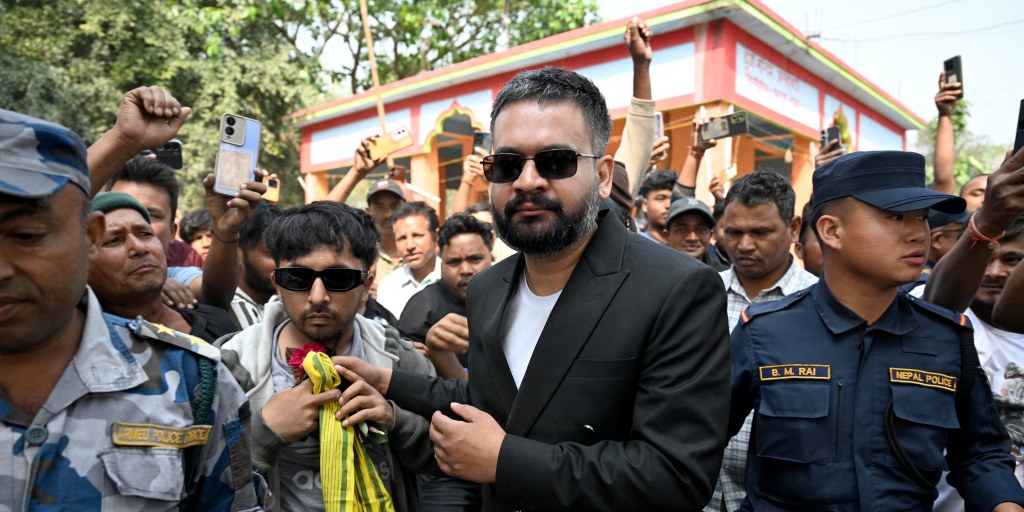
A striking political transformation is underway in Nepal as a 35-year-old former rapper-turned-mayor mounts a bid to lead the country in its first election since Gen Z-led protests upended the previous government. Balendra Shah’s candidacy taps into a broad mood of public discontent with traditional parties, placing health and education for the poor at the center of his platform. The campaign signals more than a personality contest; it points to a wider shift in leadership and governance dynamics shaped by a younger generation that demands accountability, transparency, and visible social investments.
Trend snapshot: youth and protest-born leadership
Shah’s rise embodies a broader trend in South Asia where political outsiders with populist appeal leverage social credibility and modern communication to challenge established parties. In Nepal, the Gen Z protests questioned legitimacy, governance quality, and policy gaps, thrusting issues like health access, education, and economic inclusion to the forefront. Shah’s messaging mirrors that demand—presenting himself as a reform-minded alternative who can translate public anger into tangible policy outcomes.
Policy direction and potential reforms
Key policy anchors for Shah focus on:
- Health for the poor: expanding access, reducing barriers to care, and prioritizing primary health services in underserved districts.
- Education improvements: increasing school quality, affordability, and outcomes for marginalized communities to break cycles of poverty.
- Governance transparency: rebuilding trust through accountable administration, merit-based appointments, and anti-corruption measures.
- Youth empowerment: leveraging Gen Z energy in governance, creating channels for youth input, and fostering civic engagement.
Impact on governance and political dynamics
If Shah secures leadership, several governance implications could unfold:
- Fresh leadership cadence: A shift away from entrenched political cycles toward a performance-driven model with clearer metrics for success.
- Policy speed versus reform depth: A balancing act between implementing rapid improvements in health and education while pursuing longer-term structural reforms.
- Party realignments: Traditional parties may retool platforms to regain legitimacy, while new coalitions could emerge around reform-minded candidates and issue-based governance.
What this means for Nepal’s electoral landscape
The campaign reflects a broader recalibration in Nepal’s political environment—one where legitimacy hinges on tangible social gains rather than partisan lineage. For voters, the focal questions will be the practicality of proposed reforms, the administration’s capacity to deliver services to the most marginalized, and the credibility of leadership promises in a complex federal system.
Public and political response
Public sentiment toward Shah’s candidacy is likely to be polarized yet highly engaged, given the scale of dissatisfaction with prior administrations. Supporters may rally around a narrative of renewal and accountability, while opponents may challenge the feasibility of rapid reforms or scrutinize the candidate’s governance track record.
Long-term significance
Beyond the immediate election, Shah’s candidacy could influence how future leaders are evaluated—prioritizing governance delivery, social equity, and youth participation. If successful, this trajectory might set a precedent for younger leadership entering the mainstream and expanding the policy spectrum beyond conventional party lines.
What to watch next
- Election momentum and polling signals for youth-focused platforms.
- Concrete policy proposals and funding plans for health and education reforms.
- Institutional checks and balances to sustain reform momentum in a diverse, multi-party landscape.
- The role of civil society and youth organizations in shaping policy scrutiny and accountability.
In sum, Nepal’s evolving political scene underscores a leadership and governance trend where insurgent voices and Gen Z expectations push for a performance-based, humane state. The outcome of this first post-protests election could redefine how leadership legitimacy is earned and measured in the years ahead.