Strategic Overview
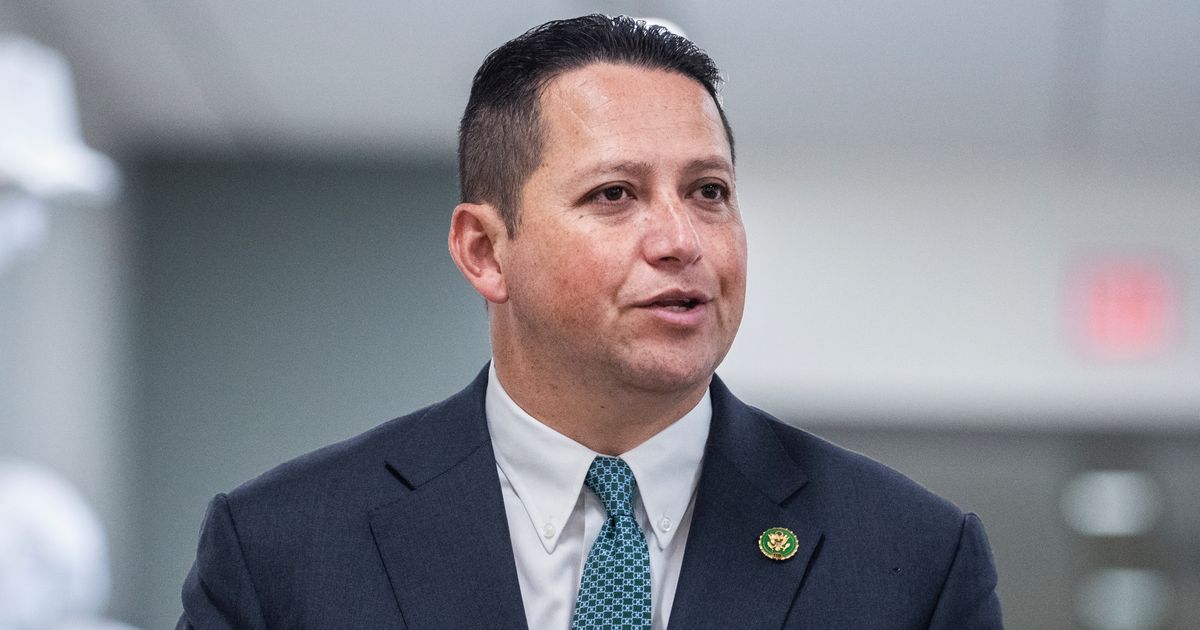
In the current political moment, internal party pressures are often as consequential as public votes. The Texas congressman at the center of a controversial affair revelation is facing a coordinated push from Republican leadership to end his reelection bid. The move signals how party elites weigh candidate viability, personal conduct narratives, and district dynamics as they map 2026 electoral strategies. The question now is not only whether the candidate can survive the controversy, but how this development reshapes fielding strong, competitive campaigns in a district that could swing with the national mood.
What Just Happened
New disclosures reveal an alleged affair involving a now-deceased staffer, a revelation that opens a corridor of political risk for the incumbent. Party leadership, citing concerns about integrity, trust, and electability, has urged withdrawal from the race. The episode is unusual for its combination of personal conduct scrutiny and the impact on campaign viability several months before the primary season. While the details of the relationship remain contested in public dialogue, the immediate effect is a recalibration of messaging, fundraising, and candidate positioning within the district.
Electoral Implications for 2026
- Voter Perception and Trust: For many voters, personal conduct can become a proxy for judgment of leadership quality. If the district leans conservative but prioritizes ethics and accountability, the scandal could depress turnout or shift preference toward a candidate perceived as more fit to govern.
- Fundraising and Fielding: A poll-agnostic race with potential attrition may deter donors wary of public-relations risk. On the flip side, opponents may see an opening to consolidate support by portraying the incumbent as politically compromised or out of step with district priorities.
- District Demographics: In districts where margins are tight, even a relatively modest swing in enthusiasm can determine outcomes. The race may attract more scrutiny from national campaigns seeking to claim strategic leverage in a competitive state.
- Primary vs. General Dynamics: If the primary field consolidates around a single alternative, the general election calculus shifts. Conversely, a fractured field could prolong the contest, elevating the role of turnout operations and get-out-the-vote efforts.
Public & Party Reactions
- Republican Leadership: The call for stepping aside underscores a broader tactic within the party to manage risk ahead of elections. Leaders aim to preserve the party’s brand and district competitiveness, signaling that personal controversies, even if legally permissible, can undermine collective electoral objectives.
- Supporters and Local Constituents: Reactions vary by base, with some viewing the issue through the lens of loyalty and policy alignment, while others prioritize integrity and accountability. Local media narratives may amplify or contest the story depending on available details and stakeholder statements.
- Opponents: Opposing campaigns will likely frame the situation as evidence of leadership distraction and governance risk, using the controversy to question the party’s judgment and consistency on ethics.
What This Means Moving Forward
- Strategic Realignment: Campaigns in similar positions should prepare contingency messaging that emphasizes district-serving policy priorities while addressing questions of leadership and accountability head-on. The ability to pivot quickly on messaging could determine the health of the incumbent’s campaign.
- Electoral Viability: The district’s partisan lean, turnout patterns, and the strength of the alternative candidacy will determine whether this incident is a temporary distraction or a lasting hurdle. Field organization and coalition-building become critical to counteract negative narratives.
- Regulatory and Ethical Context: While this is not a policy or regulatory dispute, it intersects with governance norms and ethical expectations that voters weigh alongside policy positions. The broader political environment may reward transparency and disciplined communication during a crisis.
What to Watch
- Official Statements: Watch for coordinated or unilateral statements from the candidate’s campaign and opposition groups. The tone and specificity of commitments to ethics reforms or district-focused priorities will signal the trajectory of the race.
- Polling Signals: Early surveys, if released, will reveal whether the controversy materially shifts voter intent or remains a partisan outlier. Cross-tabs on demographics could reveal which groups are most affected.
- Debates and Events: Public forums and debates will test the candidate’s resilience and the opposition’s ability to capitalize on the narrative. The quality of policy discourse in these settings can influence long-term perceptions.
Conclusion
As the 2026 electoral landscape evolves, this incident highlights the delicate balance parties must strike between managing risk, preserving brand integrity, and fielding competitive candidates. The coming weeks will be telling about whether leadership intervention translates into a strategic reframe of the race, or whether the incumbent can weather the storm and retain a path to reelection. In any case, the episode offers a cautionary tale for campaigns about the speed with which personal stories can become central to political contests and the importance of articulating a clear policy-centered response that resonates with voters’ core concerns.