Strategic Overview
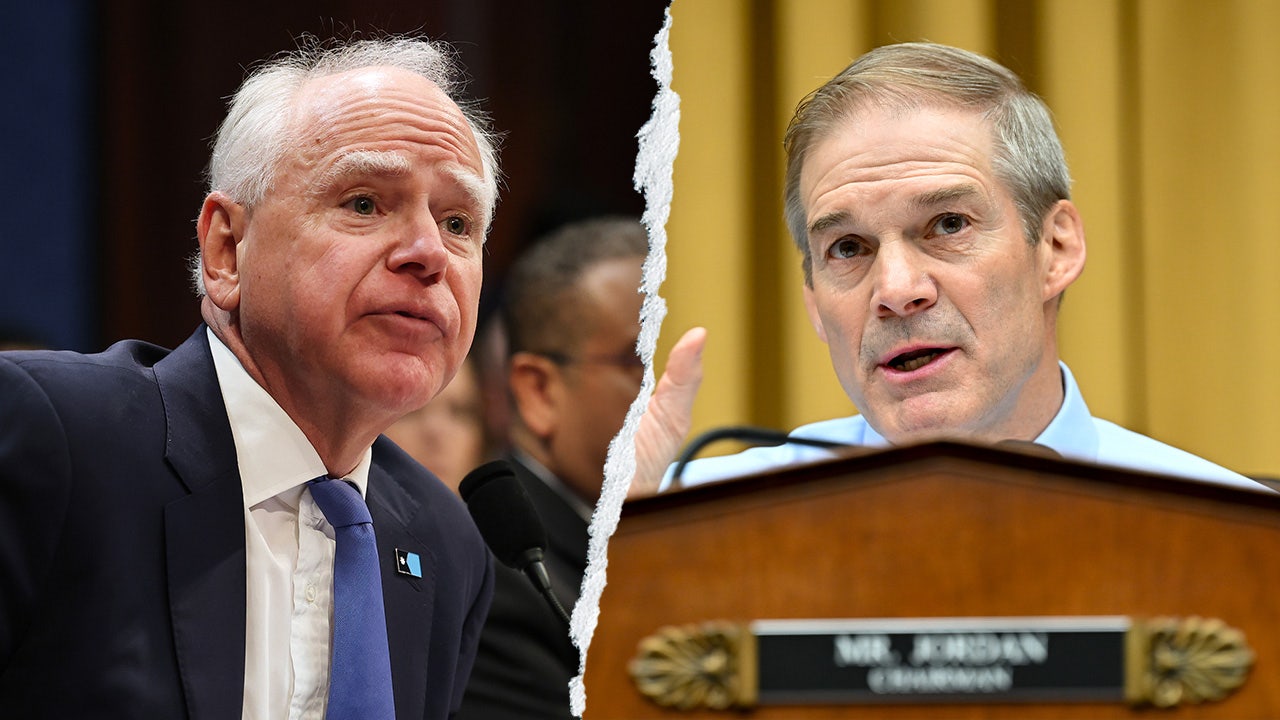
A high-stakes House Oversight hearing turned confrontational as Republican lawmakers pressed Minnesota Governor Tim Walz and Attorney General Keith Ellison about a major state fraud scandal. The exchange underscored a broader tactic: using oversight leverage to amplify political accountability and leverage in the 2026 electoral landscape. The tense moments spotlighted how state-level governance and federal oversight interact when a fraud case erodes public trust and becomes a cudgel in partisan battles.
What Just Happened
During a tense hearing, GOP members grilled Walz and Ellison on the governing process, investigative timelines, and accountability measures related to Minnesota’s fraud scandal. Questions spiraled around procurement practices, the oversight structure within state agencies, and the adequacy of corrective actions. Walz defended his administration’s response, while Ellison emphasized prosecutorial independence and the need for robust enforcement. The exchange included sharp exchanges on timelines, reporting obligations, and transparency, with Republicans framing the episode as a failure of state leadership and institutional safeguards.
Electoral Implications for 2026
The hearing’s political salience extends beyond the day’s questions. For Walz, the scrutiny could influence campaign messaging about competence, integrity, and crisis management. For Ellison, the spotlight ties to perspectives on law, order, and the effectiveness of state-level governance in protecting taxpayers. Opponents may seize on perceived gaps in oversight to bolster critiques of incumbency, potentially mobilizing voters around governance quality and accountability. The episode also serves as a proxy for broader debates on how states manage fraud investigations and the speed with which political leaders respond to crises—issues that resonate with general-election and down-ballot races in 2026.
Public & Party Reactions
Reaction from supporters centered on leadership steadiness and a commitment to due process, highlighting governance continuity and robust enforcement. Critics argued that the affair evidences systemic vulnerabilities and the political incentives that shape oversight. The hearing’s theatrics—pushed by a partisan lens—likely intensified media coverage and fund-raising narratives, as both sides frame the incident as either a vindication of strong governance or a warning about political overreach. Expect continued partisan dialogue around accountability mechanisms and the credibility of state institutions moving into the 2026 political cycle.
What This Means Moving Forward
The episode signals that fiscal integrity and governance transparency will remain central themes in Minnesota and beyond. For policymakers, the focus will be on strengthening internal controls, accelerating independent investigations, and clarifying reporting structures to reassure the public. For political operatives, the event provides tactical material: a case study in crisis management, the limits of executive accountability, and the balancing act between prosecutorial independence and political oversight. As 2026 approaches, Westminster-style accountability debates—how much oversight is appropriate and how fast investigations should proceed—will shape campaigns, policy proposals, and regulatory priorities nationwide.
Context and Analysis
- Governance and oversight are increasingly used as electoral battlegrounds. The Minnesota episode illustrates how state-level scandals can reverberate nationally, informing voter expectations about competence and integrity in office.
- The interplay between executive leadership and attorney general offices matters for policy clarity and public confidence. Clear lines of responsibility and transparent communications are essential to preserving legitimacy during investigations.
- The 2026 political environment rewards candidates who can demonstrate timely action, accountability, and practical reforms. This hearing may spur concrete legislative proposals on procurement reforms, audit enhancements, and independent oversight to reduce future risk.
In-Depth Takeaways
- Strategic messaging will hinge on whether leaders deliver visible reforms and independent investigations that go beyond political rhetoric.
- Economically, fraud investigations can impact state budgets via fines, restitution, and investigative costs; communicating cost recovery and fiscal safeguards will be key.
- Regulatory posture may shift toward stronger internal controls and proactive disclosure requirements to mitigate similar vulnerabilities in other states.
Conclusion
The heated exchange at the House Oversight hearing underscores the era’s central dynamic: governance credibility is a measurable asset in 2026. As voters weigh competence against controversy, Minnesota’s experience could shape how campaigns frame accountability, oversee investigations, and implement reforms to restore public trust. The road ahead will test not only the leaders involved but the institutions designed to safeguard taxpayers and maintain the integrity of government operations.