Strategic Overview
Texas politics is poised to play a decisive role in the 2026 congressional landscape, and the recent Texas Senate primary outcome underscores a broader strategic shift. With Democrat James Talarico emerging as the party’s nominee, observers are watching how his profile could position him as a national counterweight to the Republican president. The move signals more than a state-level win; it marks a strategic escalation in the party’s national messaging and mobilization playbook designed to contest the president’s agenda wherever possible.
What Just Happened
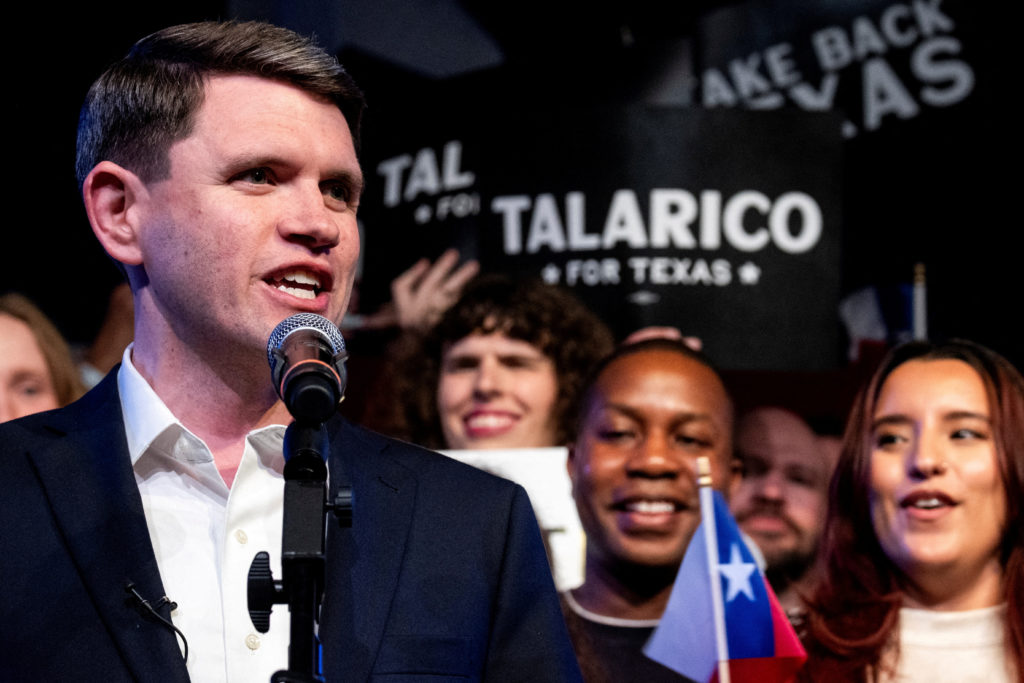
In a high-stakes primary, James Talarico secured the Democratic nomination for the U.S. Senate in Texas. The victory cements his status as a national figure for the Democratic opposition, extending his influence beyond state borders and into the rhythm of national political discourse. His campaign is expected to emphasize themes aligned with the party’s broader policy priorities, while leveraging Texas’ electoral dynamics to project strength against the incumbent administration.
Electoral Implications for 2026
- Nationalizing the Texas race: Talarico’s nomination could turn Texas into a strategic focal point for Democratic messaging, fundraising, and volunteer networks, potentially accelerating synchronized campaigns across battleground states.
- Voter sentiment and turnout: The outcome may influence enthusiasm among Democratic voters in Texas and neighboring regions, with potential ripple effects on down-ballot races and local elections that shape Senate and House alignments.
- Policy framing and contrast: Expect a sharp policy contrast narrative, highlighting issues like energy policy, regulation, immigration, and federal-state governance balances that could mobilize both base voters and swing independents.
- Campaign finance and ally alignment: The nomination could attract national donor attention, aligning the Texas race with broader national efforts to pressure the White House on legislative priorities or to rally opposition to the president’s policy agenda.
Public & Party Reactions
Within the Democratic coalition, Talarico’s emergence is likely to elicit a mix of optimism and heightened expectations. Supporters may frame the race as a test of whether Texas can serve as a springboard for a larger strategy to contest the Republican agenda at the federal level. Republicans will likely respond by foregrounding statewide concerns — economic growth, energy policy, and public safety — to position the race as a referendum on both party governance and leadership style. National pundits will scrutinize how the Texas nomination reshapes the balance of messaging power, fundraising lanes, and coalition-building across key demographic groups.
What This Means Moving Forward
- Strategy realignment: Democratic operatives are expected to recalibrate messaging to maximize cross-state resonance, using Texas as a laboratory for national counterpoints to the GOP presidency.
- Policy battlefield: The race will illuminate the policy battlegrounds likely to dominate 2026 contests—energy transition, regulatory reforms, climate resilience, and federal-state governance approaches.
- Voter outreach: Data-driven outreach, including digital persuasion and grassroots mobilization, will aim to convert Texas’ diverse electorate into a durable base of support for the broader national agenda.
- Legislative forecasting: Analysts will monitor whether the Texas race catalyzes increased focus on Senate dynamics, potential party switches, or strategic retirements as the 2026 map evolves.
Tone and Forward Outlook
The Texas nomination underscores a broader pattern: individual state races now function as strategic proxies for national political competition. As the 2026 cycle unfolds, expect Texas to serve as both a proving ground for candidate viability and a litmus test for how loudly the opposition can articulate its critique of the president’s agenda. For voters, policymakers, and commentators, the key question is whether this alignment translates into a durable, policy-driven alternative or remains primarily a symbolic counterweight in a polarized national landscape. The coming months will reveal how the Talarico candidacy translates into concrete campaign tactics, coalition-building, and, ultimately, electoral outcomes that could shape the balance of power in Congress.