Situation Brief
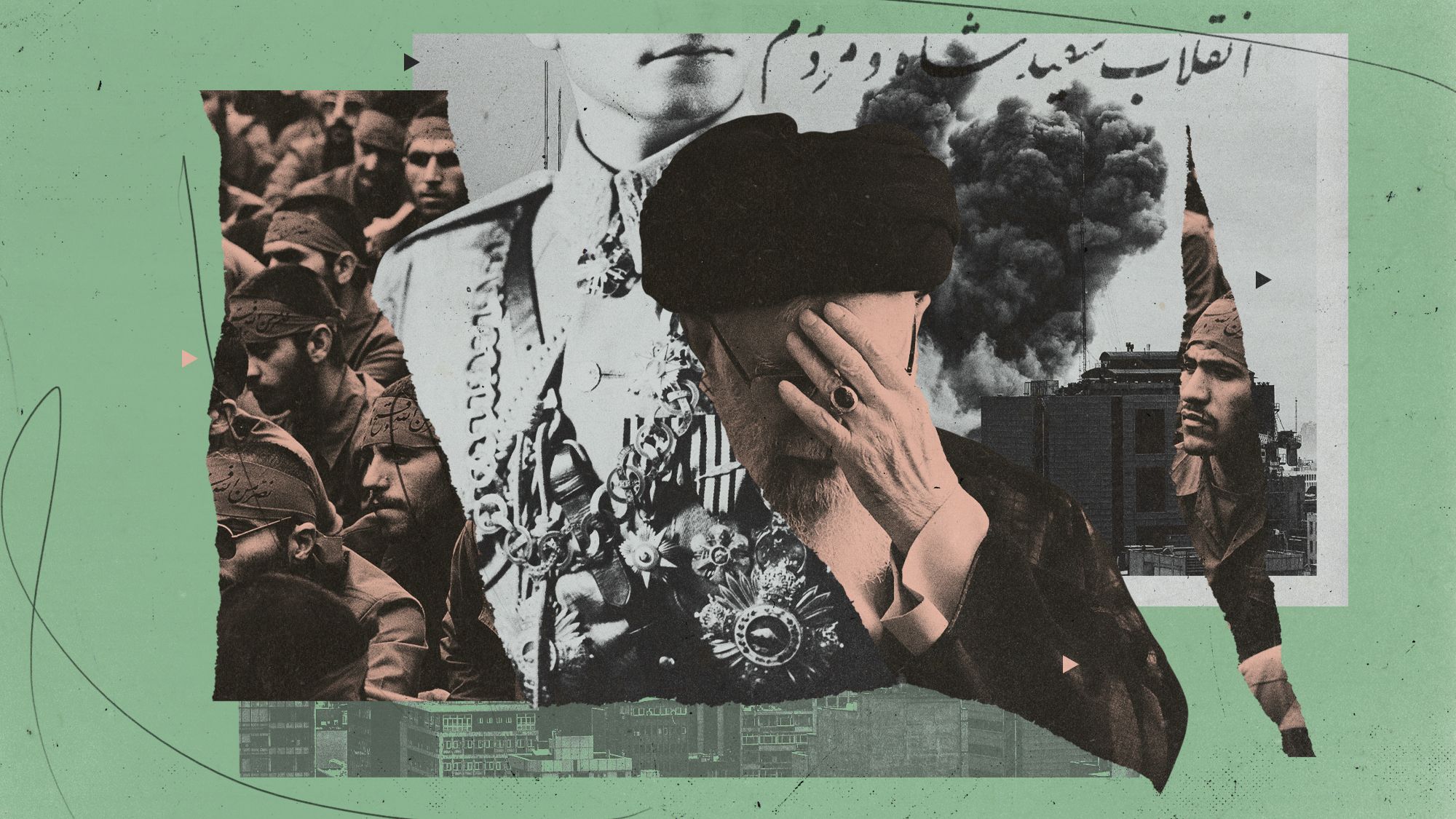
Iran sits at a crossroads where longstanding institutional power—rooted in religious authority, the Revolutionary Guards, and state-controlled governance—shapes decisions at the highest levels. Recent commentary highlights how Tehran’s inbuilt structural power makes overt overthrow attempts unlikely, even amid domestic pressures or regional volatility. Attention has turned to the question of succession, with whispers that the Ayatollah’s lineage could influence the next phase of leadership. This framing invites a careful look at how internal power dynamics operate, whether reforms are possible from within, and what external actors should anticipate from Iran’s evolving governance.
Strategic Stakes
Iran’s political system blends religious legitimacy with a complex federal-like apparatus of governance, including vetted institutions, security services, and a hierarchy designed to preserve continuity. The consensus view among many analysts is that this architecture creates resilience against abrupt turnover. In practice, even with economic stress, social grievances, or external pressure, the core engines of authority—clerical authority, the Revolutionary Guards, and allied political factions—tend to preserve stability.
Impact on Domestic Governance
Domestically, stability serves as a barrier to rapid change. It can dampen reformist momentum while allowing limited openings within controlled channels. The leadership’s ability to steer economic policy, manage dissent, and negotiate with foreign powers remains a central lever for unblocking or delaying reforms. The question of succession amplifies this dynamic: if the next figure is perceived as maintaining the current balance of power, incentives for incremental reform may persist; if, however, it signals a hardening of the regime’s posture, broader strategic recalibrations could follow.
Impact on Regional and Global Diplomacy
Iran’s stability has immediate implications for regional security, alliance calculus, and economic sanctions. A predictable leadership transition preserves continuity in foreign policy, including nuclear negotiations, missile programs, and influence operations across the Middle East. Conversely, any signs of instability or abrupt succession could prompt neighboring states and global powers to recalibrate risk assessments, potentially accelerating contingency planning, sanctions realignment, or diplomatic overtures aimed at anchoring influence.
What This Means Moving Forward
- Internal resilience vs. reform pressure: Iran’s governance design favors continuity. Policymakers should expect cautious, incremental policy shifts rather than rapid revolutions in governance, even amid economic hardship or social mobilization.
- Succession as a strategic inflection: The identity and priorities of the next top leader could redefine Iran’s foreign policy posture and domestic legitimacy. Watch for signals about the balance between clerical prerogatives and security-state influence.
- External leverage and restraint: External actors will weigh engagement strategies against the risk of legitimizing a less reform-oriented trajectory. Economic incentives, security guarantees, and diplomatic channels are likely to be part of ongoing calculations.
Public & Expert Reactions
Analysts widely agree that overthrow is unlikely given Tehran’s entrenched power configurations. However, experts caution that succession dynamics could yield strategic shifts—especially in how the regime manages economic pressures, civil society, and regional interactions. Policy communities emphasize monitoring signals from senior clerical bodies, the IRGC, and political factions allied with the leadership.
What Comes Next
- Monitoring succession developments: Expect careful signaling from state-controlled media and clerical councils about the direction of leadership transitions.
- Continued emphasis on stability: Expect policies prioritizing economic stabilization, control of dissent, and calibrated diplomacy to maintain regional influence.
- Preparedness by policymakers: International actors should maintain open channels for dialogue while carefully assessing changes in Iran’s internal power balance and their implications for regional security and nonproliferation efforts.
Tone and Context
This analysis presents a forward-looking, structural view of Iran’s regime dynamics, focusing on how entrenched power affects the possibility of upheaval, reform, or transformation. The discussion centers on governance architecture, succession implications, and the broader implications for U.S. policymakers, regional partners, and global markets in 2026.