Situation Brief
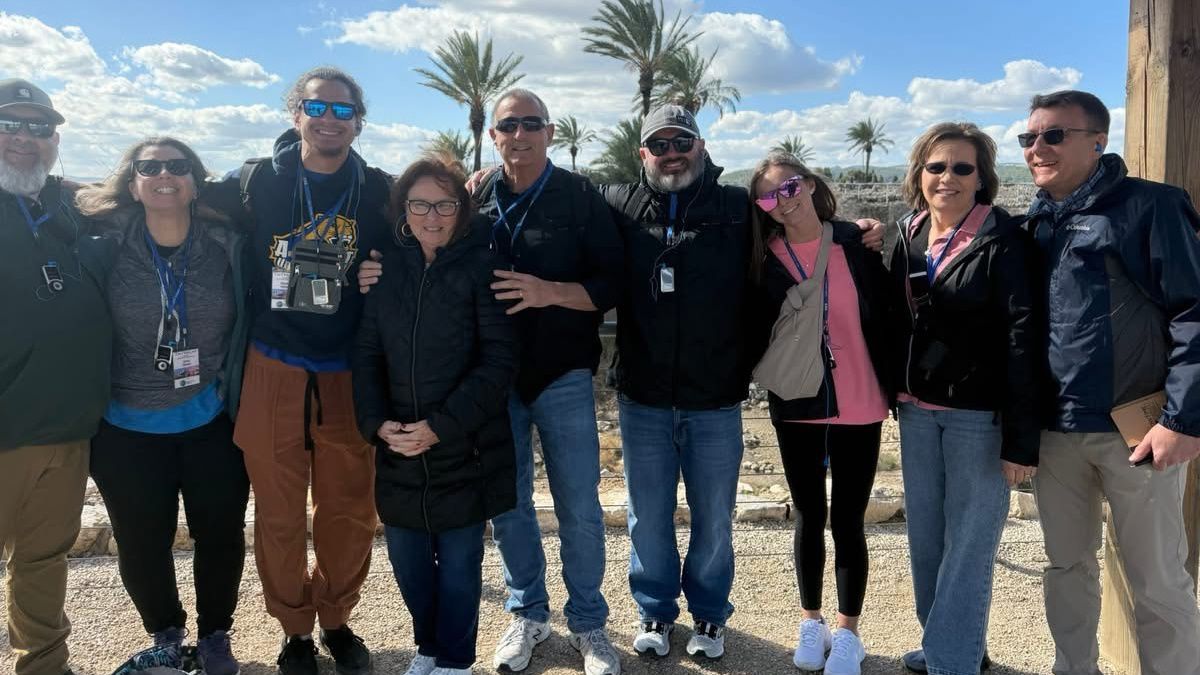
A Lexington church group’s pilgrimage to Israel has transformed from a faith pilgrimage into a security-driven pause as fighting intensifies in the Middle East. The travelers took shelter in Jerusalem, a city at the center of enduring regional tensions. The episode highlights how civilian travelers and faith-based programs are navigating elevated risk, ever-changing security advisories, and logistical disruptions in a volatile geopolitical landscape.
Strategic Stakes
This incident underscores several strategic dynamics for the United States and allied partners:
- The vulnerability of civilian travel in conflict zones, including religious and educational missions that bridge communities.
- The broader risk management challenge for U.S.-based religious organizations that sponsor or participate in international travel amid rising regional volatility.
- The potential ripple effects on U.S. diplomacy, humanitarian corridors, and international travel advisories issued by governments and private insurers.
Impact on US Interests
For U.S. policymakers, the shelter scenario in Jerusalem intersects with:
- National security concerns about safe passage for American citizens abroad during conflicts.
- The need to coordinate with regional partners to facilitate safe evacuations or protective measures without compromising broader diplomatic goals.
- The potential economic impact on faith-based tourism, international education exchanges, and related sectors in the United States.
Global Power Dynamics
The Jerusalem shelter episode occurs within a larger context of shifting regional alignments and external powers influencing conflict dynamics. Washington’s posture—balancing support for allies, public communication, and protection of civilians—remains central while navigating competing humanitarian and strategic imperatives. The incident also tests the resilience of international travel ecosystems, insurance markets, and faith-based international programming.
Forward-Looking Risks
Key risks to monitor include:
- Escalation trajectories that could broaden travel advisories or trigger evacuations for communities abroad.
- Potential disruption to pilgrimage routes, religious tourism, and cross-cultural exchanges that depend on stable security conditions.
- The political optics of U.S. and international responses to civilian experiences in conflict zones, which can influence public opinion and policy emphasis on foreign aid and diplomatic engagement.
What This Means Moving Forward
- For faith-based organizations: Enhanced risk assessment, contingency planning, and clear communication protocols will be essential, including evacuation planning and partnerships with local authorities.
- For policymakers: Strengthening civilian safety frameworks for international travelers and ensuring transparent information channels can help minimize uncertainty and protect U.S. citizens abroad.
- For the public and media: The human dimension of travel during conflict can shape perceptions of international stability, influencing future engagement with overseas religious and educational programs.
Public & Policy Implications
The sheltering of a church group in Jerusalem spotlights how domestic audiences interpret international upheaval. It amplifies calls for more robust incident response planning, better risk communication from organizations sponsoring travel, and greater scrutiny of safety standards in faith-based international programs. In an era where global events quickly translate into domestic concerns, such episodes can influence how communities view foreign policy priorities, including diplomatic engagement, security funding, and humanitarian support.
What to Watch
- Changes in travel advisories and insurance coverage for faith-based international trips.
- Updates to safety protocols for pilgrimages and educational exchanges in conflict zones.
- Shifts in U.S. diplomacy or aid strategy related to the Middle East, particularly around civilian protection and humanitarian access.
- The broader impact on religious tourism and cross-cultural exchange programs as security climates evolve.
Note: This article presents a neutral, analytical view of a single travel-relevant incident within a complex geopolitical environment, emphasizing practical implications for policy, security, and civic engagement in 2026.