Strategic Overview
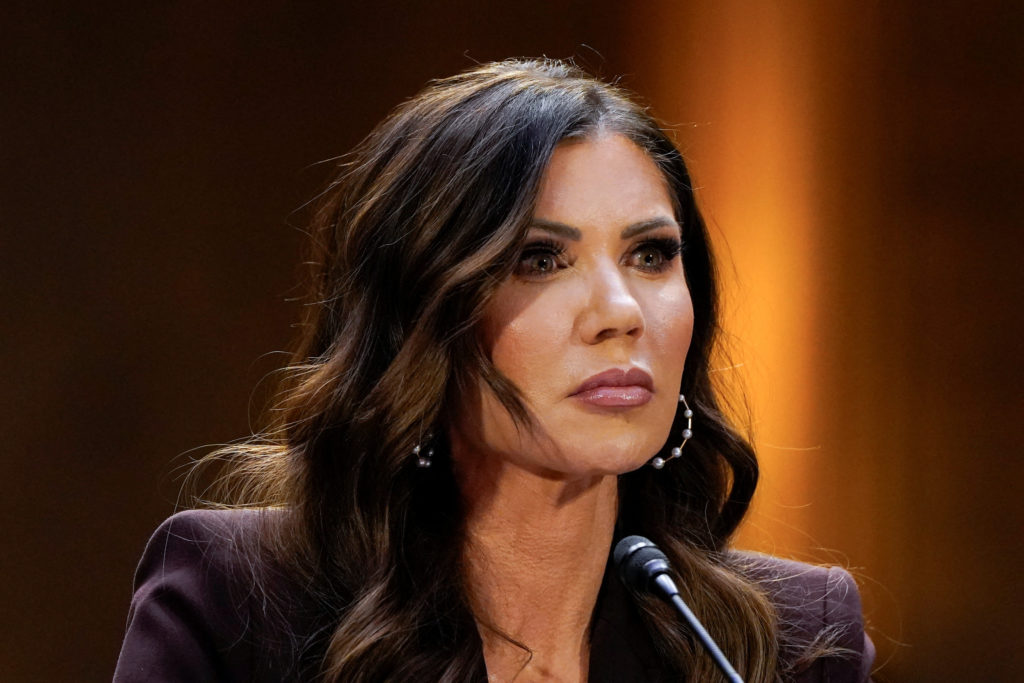
The recent gathering on Capitol Hill features a high-profile appearance by DHS Secretary Noem before the House Judiciary Committee. The hearing spotlights not only border and homeland security priorities but also the broader governance challenges facing the administration as it positions itself on domestic policy regulation, civil liberties, and enforcement strategies ahead of the 2026 electoral cycle. This moment serves as a litmus test for how the administration plans to balance public safety, federal regulation, and political messaging in a polarized Congress.
What Just Happened
Noem entered a politically charged hearing room with a slate of security and policy questions from lawmakers seeking clarity on prioritization and funding. Topics likely to dominate the session include immigration enforcement, border management, cyber and infrastructure resilience, and the balance between security mandates and civil rights. The exchange is expected to reveal negotiating points between a responsive executive branch and a scrutinizing Congress, with both sides signaling how they will approach homeland security as a centerpiece of domestic policy.
Electoral Implications for 2026
The hearing’s optics carry weight beyond immediate policy detail. For a secretary tied to the current administration’s domestic agenda, the performance and clarity of answers can influence public perception of competence and governance. Lawmakers’ questions may foreshadow campaign-era contrasts, particularly around regulatory approaches to immigration, border control funding, and the role of federal authorities in public safety. The interaction could shape voter expectations about government effectiveness in crisis management, information security, and regulatory predictability—crucial factors for voters evaluating the administration’s policy record in 2026.
Public & Party Reactions
Expect a split in reactions along party lines. Supporters will frame the hearing as a responsible demonstration of federal leadership on critical security fronts, emphasizing resilience against evolving threats. Critics will press for more transparent accounting of regulatory costs, civil liberties considerations, and potential overreach in enforcement. The performance of Noem under questioning could become a talking point in intra-party debates about how aggressively to regulate, how to allocate resources, and how to communicate policy changes to the public.
What This Means Moving Forward
- Policy trajectory: Expect sharpened focus on homeland security regulation, with potential updates to funding models, technology investments, and interagency coordination to address evolving threats.
- Regulatory footprint: The administration may push for clearer rules governing immigration processing, information-sharing, and critical infrastructure protection, aiming for more predictable compliance environments for businesses and communities.
- Legislative dynamics: The hearing could influence congressional leverage over budgetary decisions and oversight priorities, signaling where bipartisan compromise may emerge or fracture.
- Public messaging: A clear, evidence-based narrative on security efficiency and civil rights safeguards will be essential to maintain legitimacy while pursuing a robust domestic security agenda.
Tone and Analysis
This event marks a pivotal moment where policy practicality meets political accountability. The administration’s ability to articulate concrete, enforceable standards in homeland security, while addressing civil liberties and regulatory costs, will shape governance expectations for 2026. The hearing underscores how leadership in a polarized environment must translate complex security policy into accessible, accountable governance that voters can trust and lawmakers can support.
Note: This article presents a structured analysis of a high-level congressional hearing impacting domestic policy and regulation within the 2026 political landscape.