Strategic Overview
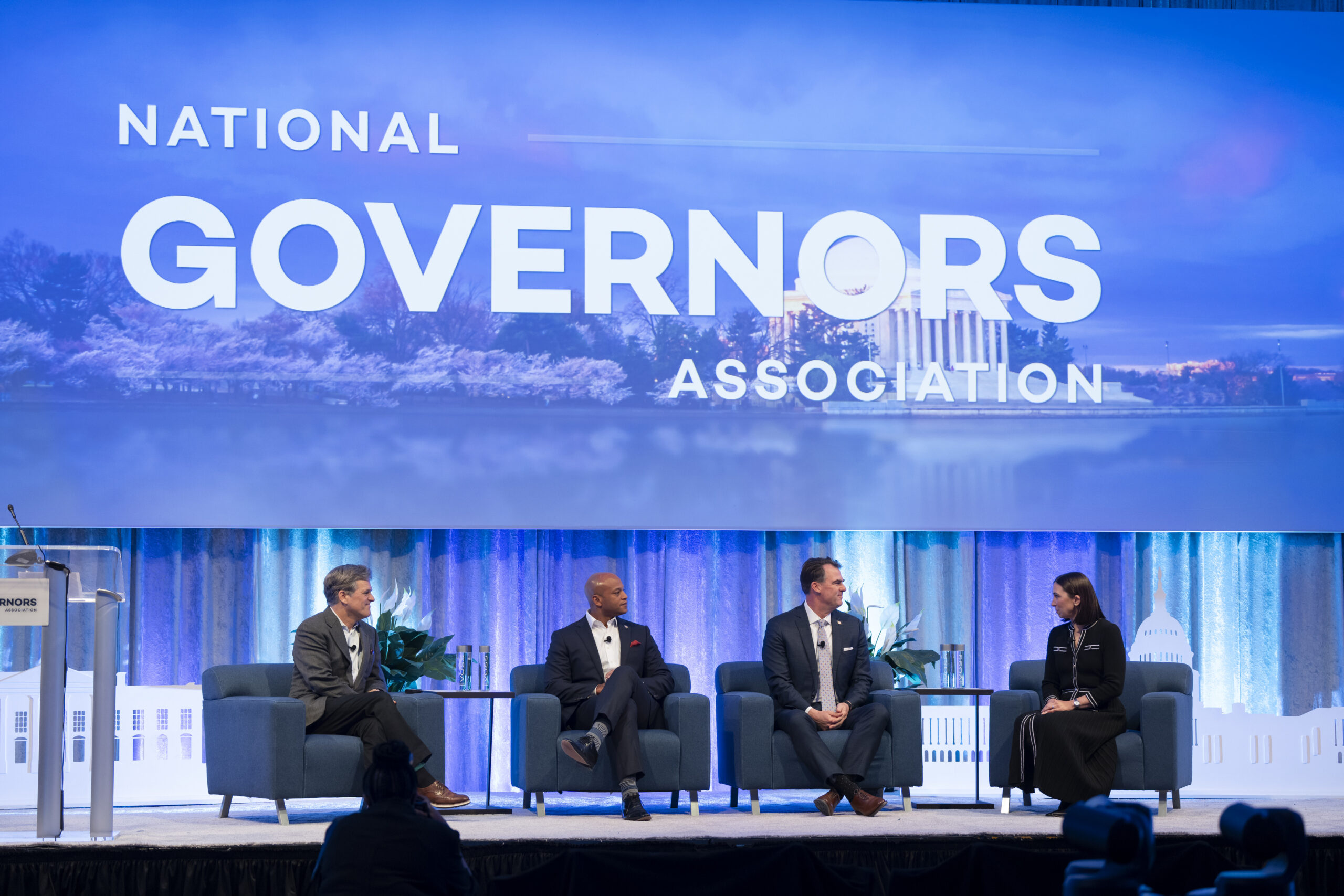
In a year already defined by partisan tensions, the penultimate session of the 2026 National Governors Association (NGA) Winter Meeting delivered a notable breach in the usual polarization. Two politicians from opposite ends of the spectrum came together to discuss friendship, shared purpose, and the urgent need to rebuild trust in democratic institutions. The moderated dialogue, guided by Laura Collins, underscored a common conviction: effective governance depends on civil discourse, cross-partisan problem solving, and measurable steps to restore faith in public institutions at both the state and federal levels.
What Just Happened
The session centered on civil exchange and practical collaboration rather than ideological theater. Speakers acknowledged policy disagreements but prioritized outcomes that resonate with everyday Americans—strengthening accountability, improving service delivery, and safeguarding the integrity of elections and democratic processes. The exchange highlighted a broader trend within the NGA: states testing innovative, collaborative approaches as a counterweight to gridlock in Washington, with governors and leaders modeling how to pursue ambitious reforms without sacrificing civility or due process.
Policy Context and Framing
Several themes emerged as core to the conversation:
- Restoring trust: Concrete steps to increase transparency, citizen engagement, and accountability in government operations.
- Federal-state collaboration: Mechanisms to align state innovation with federal standards where appropriate, while preserving state autonomy and local context.
- Democratic resilience: Safeguards for elections, ethics reform, and responsible governance that bolster confidence in democratic institutions.
- Civic leadership: The role of bipartisan stewardship in repairing public faith in governance, especially as Americans evaluate the performance of institutions.
Electoral Implications for 2026
While the session was not a campaign event, it carries strategic implications for the broader political landscape. Governors and other state leaders can leverage this momentum to push policy proposals that appeal across political lines—particularly in areas like government modernization, ethics reform, and election administration. The emphasis on civil dialogue and shared purpose provides a blueprint for communicating complex reforms to a diverse electorate. For candidates seeking to appeal to swing voters, the session reinforces the message that pragmatic problem solving and trustworthy governance are central to national stability and economic health.
Public & Party Reactions
Early reactions from policymakers and observers leaned into the symbolism of bipartisan engagement. Supporters framed the dialogue as evidence that lawmakers can transcend political rancor to pursue tangible improvements. Critics may view it as a staged moment unless accompanied by measurable action and policy wins. Nevertheless, the session signals a potential shift in tone for the political discourse, inviting more frequent cross-partisan collaboration on governance challenges that affect everyday lives.
What This Means Moving Forward
The NGA exchange points toward a governance agenda that prioritizes practical reforms over ideological spectacle. Expect:
- Expanded intergovernmental collaboration: Initiatives that streamline administration, reduce red tape, and accelerate service delivery at the state and federal interface.
- Accountability and ethics reforms: Proposals designed to improve oversight, reduce waste, and enhance public trust without compromising policy innovation.
- Election integrity enhancements: Bipartisan discussions around secure, accessible, and transparent voting processes that bolster confidence in results.
- Civic leadership development: Programs and forums that train public officials to engage constructively across political divides.
Tone and Outlook
This moment is presented as a catalyst for sustained bipartisan work rather than a one-off gesture. While substantive progress will require sustained political will and policy detail, the session’s emphasis on friendship, shared purpose, and rebuilding trust signals a potential shift toward more cooperative governance. For a 2026 political analysis audience, the takeaway is clear: durability in American democracy may hinge on the ability of leaders to translate civility into concrete, widely beneficial reforms.