Strategic Overview
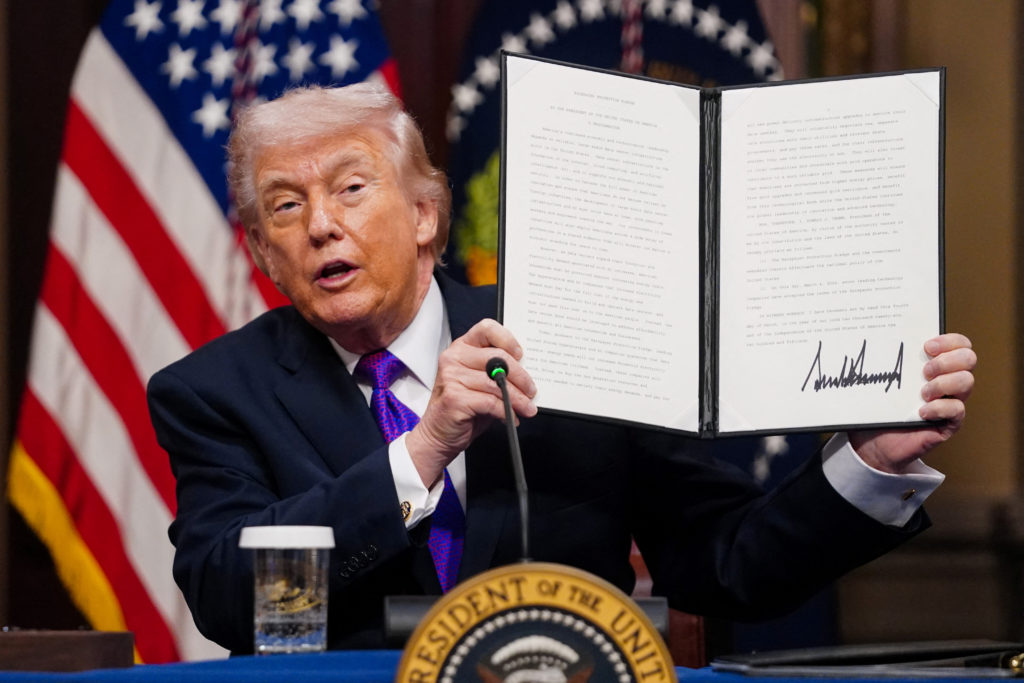
A high-stakes gathering hosted by former President Donald Trump centered on an AI leaders’ pledge aimed at preventing increases in household utility bills. The event spotlights how technology policy, consumer protection, and energy regulation intersect at a moment when AI development is accelerating and voters are sensitive to cost-of-living pressures. The pledge signals a push to frame AI governance as a practical concern for everyday Americans, tying advanced technology policy directly to tangible economic outcomes.
What Just Happened
Trump convened a coalition of AI executives, researchers, and thought leaders to sign a public commitment on safeguarding households from future utility cost increases tied to AI-enabled energy systems, grid management, and consumer services. While the exact terms remain nuanced, the intention is to reassure households that AI innovations will not exacerbate bills and that regulators should prioritize affordability in deployment. The event underscores a political strategy aimed at connecting tech policy to kitchen-table concerns, potentially broadening the appeal of an AI-centric policy agenda across diverse voter blocs.
Electoral Implications for 2026
- Framing the tech policy debate around household affordability could broaden appeal among fiscally cautious voters who worry about rising living costs.
- The pledge positions AI governance as a bipartisan, consumer-focused issue rather than a niche industry topic, potentially influencing primary dynamics and general election messaging.
- For opponents, the event creates pressure to articulate clear, enforceable safeguards and to contrast any perceived gaps between lofty AI ethics commitments and real-world energy outcomes.
- The roadmap suggests a legislative and regulatory playbook that prioritizes cost containment, reliability, and resilience of energy infrastructure amid AI-enabled modernization.
Public & Party Reactions
Early reactions highlight a mix of curiosity and scrutiny. Supporters view the move as pragmatic, signaling that AI progress can coexist with affordability if properly regulated. Critics may challenge the enforceability of voluntary pledges, urging binding standards, independent oversight, and transparent reporting on utility impacts. Within party circles, supporters of a pro-innovation, market-friendly approach may embrace the framing, while opponents push for stricter consumer protections and robust regulatory teeth.
What This Means Moving Forward
- Regulatory Trajectory: Expect heightened interest in how AI influences energy markets, with potential focus on grid modernization, cyber resilience, and data-driven efficiency programs. Legislators may seek to translate pledges into concrete rules or performance metrics.
- Economic Impact: Policymakers may prioritize options that curb rate increases, improve reliability, and incentivize investment in AI-powered efficiency across households, while balancing innovation incentives for utilities and tech firms.
- Public Communications: The pledge provides a narrative hook for campaigns and policymaking that anchors AI policy in practical outcomes—lower bills, stable service, and consumer trust.
- Oversight and Accountability: The effectiveness of voluntary commitments will likely hinge on independent monitoring, transparent reporting, and potential enforcement mechanisms to ensure commitments translate into measurable savings or avoided increases.
Policy Context and Regulatory Tones
The event occurs as Washington and state capitals wrestle with how to govern AI deployment in critical infrastructure. Debates blend technology risk with cost concerns, data privacy, and grid security. Proponents argue for flexible, outcome-driven standards that can adapt to rapid AI innovation, while critics call for clear prohibitions, robust audits, and binding performance criteria to prevent pass-through costs to households.
Technical and Political Stakes
- AI in energy: AI improves grid optimization, predictive maintenance, and demand response but also introduces complexity in pricing models and reliability risk. Regulators will weigh efficiency gains against potential vulnerabilities and inequitable impacts.
- Consumer protection: The pledge frames affordability as a central consumer protection issue—ensuring that AI-enabled services do not disproportionately burden lower-income households.
- Election dynamics: Messaging that couples AI progress with tangible savings could become a recurring theme in debates about technology policy, energy security, and economic resilience.
Forward-Looking Risks
- Policy Gaps: Without binding standards, the pledge might struggle to translate into enforceable outcomes, risking skepticism about long-term impact.
- Market Entrenchment: Utilities and tech firms may seek to shape policy in ways that preserve incentives for capital-intensive AI projects while mitigating bill shocks for consumers.
- Geopolitical Signals: The prominence of domestic AI governance in energy could influence broader global competitiveness narratives and international regulatory benchmarking.
Conclusion
The Trump-hosted AI leaders’ pledge event marks a strategic pivot to foreground household affordability within the AI policy debate. By tying advanced technology governance to energy costs, the moment elevates consumer-focused considerations in a geopolitical and economic context where AI is increasingly central to national competitiveness. As 2026 unfolds, expect policymakers to translate this public pledge into concrete regulatory proposals, oversight mechanisms, and accountability measures aimed at ensuring AI-driven energy systems deliver both innovation and relief for American households.