Strategic Overview
Texas headlines a banner stretch of midterm contests as the 2026 season kicks into high gear. The state’s two competitive Senate primaries are more than local battles; they’re a lens on party strategy, fundraising intensity, and how candidates frame governance issues in a polarized national climate. With wide media attention and substantial fundraising, Texas has become a focal point for mapping how voters respond to incumbents, challengers, and the broader Republican and Democratic coalitions ahead of November.
What Just Happened
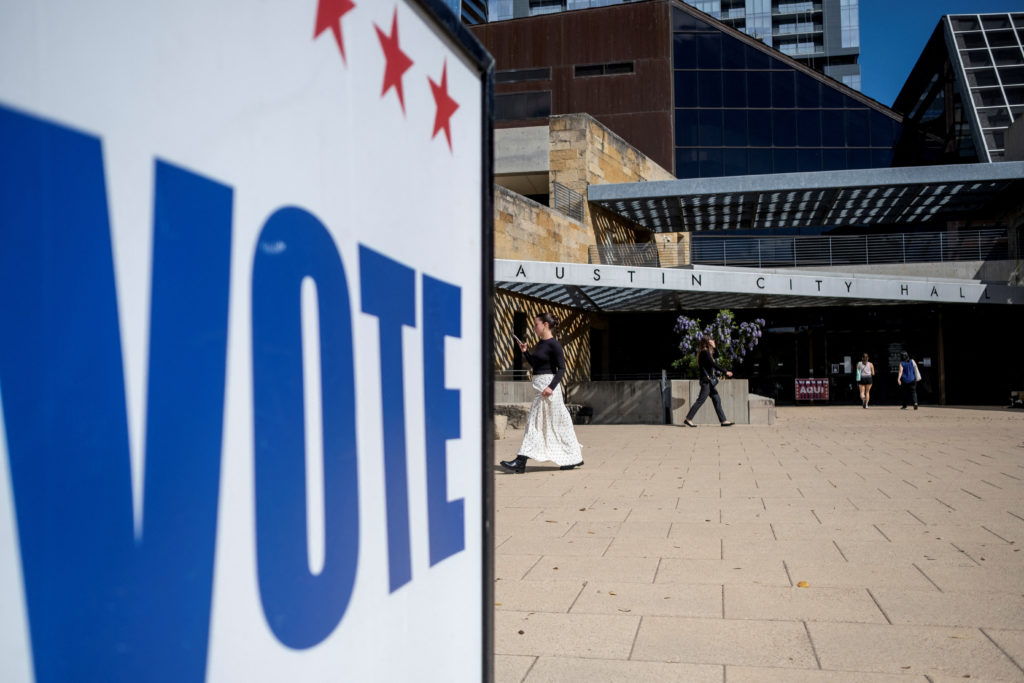
As early voting ramps up and primary ballots land in households, campaigns are rolling out a mix of policy signals, endorsements, and aggressive opposition research. The Texas field features candidates who are testing durable messages on border security, energy policy, economic opportunity, and the pace of federal regulation. The early momentum appears to hinge on candidate credibility, campaign infrastructure, and the ability to translate Texas-specific concerns into a national narrative that resonates with a broad electorate.
Electoral Implications for 2026
- Ballot competitiveness: Texas remains a top battleground due to its large, diverse electorate and the high visibility of the races. The outcomes will influence Senate map dynamics, committee assignments, and fundraising trajectories for the broader party apparatus.
- Message discipline and contrast: Successful primary performers tend to articulate a clear contrast on key issues—immigration, energy policy, and the regulatory environment—while presenting a path to cross-aisle appeal in a politically divided state.
- Donor and activist mobilization: The primaries are signaling how energized fundraising networks and grassroots groups are likely to mobilize around specific policy frames, which could affect resource allocation for the general election.
- Down-ballot effects: Results may influence down-ballot enthusiasm and Republican and Democratic congressional campaigns in Texas, potentially setting expectations for midterm turnout and local governance debates.
Public & Party Reactions
Expect sharp commentary from party strategists about whether candidates are aligning with base priorities or pursuing broader general-election appeal. Analysts will scrutinize debate performances, poll trends, and endorsements as proxies for late-stage momentum. Public reactions will likely be mixed, reflecting regional priorities—economic growth and energy reliability on one side, and concerns about regulation and federal overreach on the other. The primary process is also a bellwether for how the parties intend to leverage Texas’s growing suburban and urban constituencies in the general election.
What This Means Moving Forward
- Regulatory framing: The primaries could set the tone for how future nominees frame federal regulation, energy policy, and border management in the general election, affecting legislative posture and negotiating leverage.
- National fundraising patterns: Early signals about donor enthusiasm in Texas may help predict the flow of contributions, influencing party-wide allocation strategies for swing-state operations.
- Coalition-building: The campaigns’ ability to assemble cross-cutting coalitions—business groups, labor, rural communities, and urban voters—will shape the parties’ overall governance messaging, particularly on tax policy, energy incentives, and regulatory certainty.
- Voter education and turnout mobilization: The primary discourse will impact turnout strategies, including early voting logistics, mail-ballot garnering, and targeted outreach to key demographic groups that could swing the November contest.
Tone and Focus
This analysis centers on strategy, voter impact, and the regulatory environment shaping the 2026 midterms. It emphasizes how Texas’s primaries reflect broader national dynamics, including campaign finance pressures, messaging discipline, and the interplay between local concerns and federal policy debates.
Notes for readers
- Stay tuned for primary-night results and post-election analysis detailing which candidate secured momentum and how that translates into the general election playbook.
- Pay attention to endorsements from business, energy, and civic groups, as they often forecast which policy frames will dominate campaign messaging.
- Monitor fundraising trends and ad spends, which typically signal where the race is headed and which policy issues will take center stage in the race.