Strategic overview
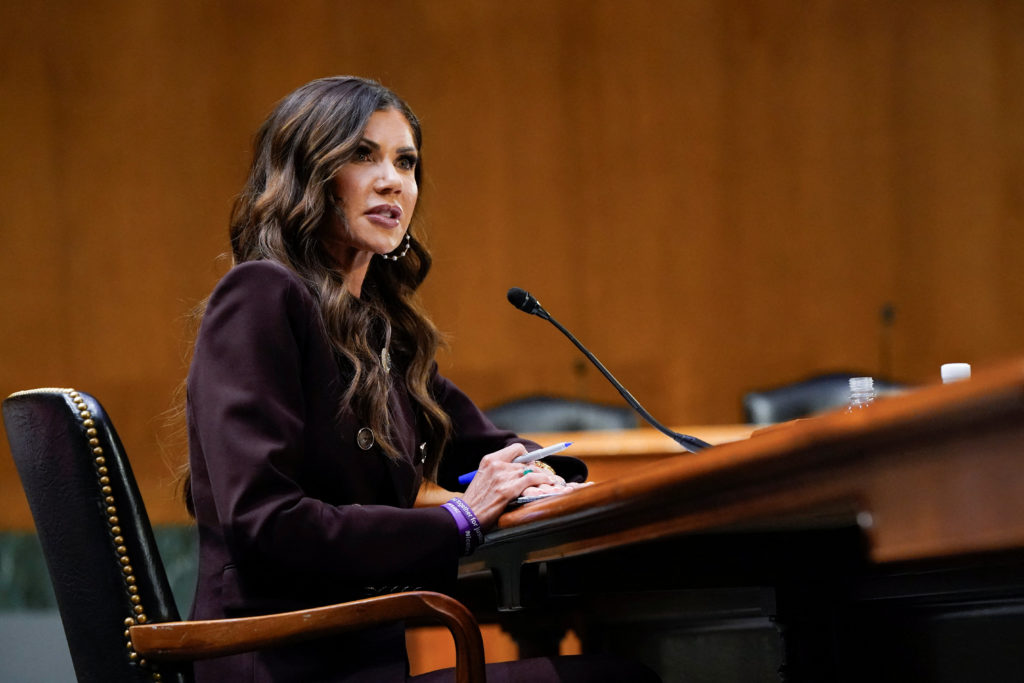
Kristi Noem’s first major oversight hearing since the Minneapolis incidents placed her at the center of intensified congressional scrutiny. Senators from both parties used the moment to question leadership decisions, operational challenges, and the administration’s broader approach to domestic policy and national security governance. The exchanges signal a renewed push for accountability around the department’s priorities, resource allocation, and crisis-response capacity ahead of a volatile political year.
What just happened
At the hearing, Noem faced pointed inquiries about recent incidents, internal procedures, and crisis management effectiveness. The atmosphere shifted quickly from formal testimony to sharp partisan questions, with several senators calling for her resignation. While the exact outcomes and policy proposals varied across witnesses, the core takeaway was clear: lawmakers are demanding clearer answers, more transparent reporting, and measurable benchmarks for performance and safety.
Electoral implications for 2026
- Voter perceptions of competence and readiness: The hearing underscored a growing demand among independents and suburban voters for steady leadership and actionable accountability within the executive branch. How Noem navigates this scrutiny could influence perceptions of the administration’s crisis-management capability.
- Policy clarity and messaging: If lawmakers receive concrete policy plans and observable improvements, it could blunt some arguments from the opposition about governance weaknesses. Conversely, unresolved questions may energize challengers who portray federal leadership as reactive.
- Midterm dynamics: The hearing may become a reference point in campaign materials about federal accountability. Candidates on both sides could leverage the event to frame broader debates over how domestic policy and homeland security are prioritized and funded.
Public & party reactions
- Bipartisan calls for accountability: The appearance of multiple resignations or calls for leadership change reflects a cross-aisle desire for accountability beyond partisan lines. This could influence committee chair preferences, budget negotiations, and oversight cadence in the near term.
- Internal governance debates: Within the party, conversations are likely to focus on defining a coherent domestic policy stance, improving interagency coordination, and establishing defensible metrics for performance and safety.
- Public sentiment: Depending on media framing and subsequent policy moves, public opinion may hinge on tangible improvements. Clear, verifiable progress on response times, resource deployment, and risk mitigation could mitigate backlash.
What this means moving forward
- Heightened oversight cadence: Expect more frequent, pointed committee hearings examining DHS and related agencies. Lawmakers will likely demand quarterly performance dashboards, transparent budgetary reporting, and independent audits.
- Policy direction and reforms: The administration may need to articulate a comprehensive domestic policy roadmap—addressing gaps in crisis response, interagency coordination, and civilian protections—to reassure both Congress and the public.
- Resilience and accountability benchmarks: The administration could adopt concrete metrics—such as response times, incident throughput, and cost controls—to demonstrate accountability and improvement over time.
Context and broader significance
This episode sits within a larger trend of intensified executive-branch scrutiny as Congress seeks to reassert oversight over homeland security and domestic governance. The bipartisan pressure underscores a political environment where leadership credibility and policy execution are central to electoral calculations and legislative cooperation. How Noem and her department respond—through transparency, measurable reforms, and constructive engagement with lawmakers—will shape the administration’s policy credibility heading into a consequential election cycle.