Strategic Overview
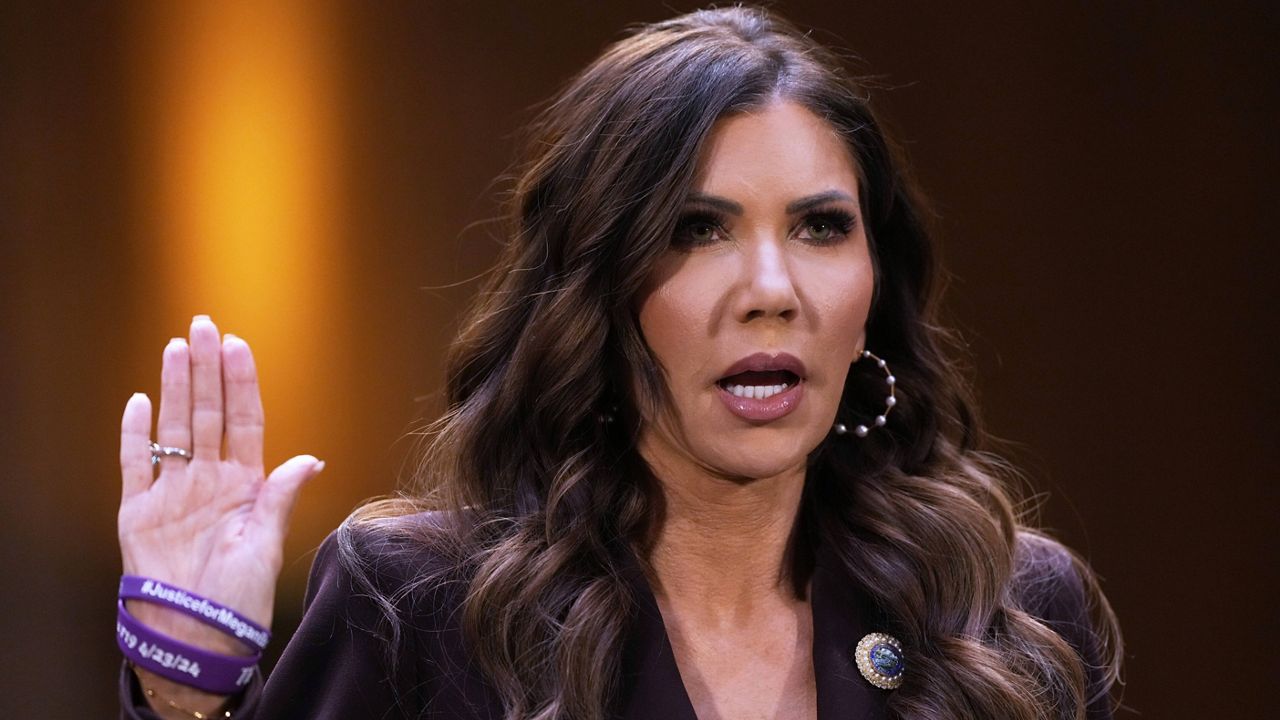
Senator Kristi Noem used her first congressional hearing since January’s Minneapolis crisis to pivot the national conversation toward what she framed as violent protests and law-and-order concerns. The hearing, ongoing amid heightened tensions around civil unrest, positioned Noem as a vocal advocate for tougher responses to protest activity and enhanced public safety measures. Her remarks underscore a broader strategy to cast civil disturbance as a political liability for opposing factions and a litmus test for future governance on crime, policing, and national security.
What Just Happened
During the hearing, Noem pressed lawmakers and federal agencies on the presence of “violent elements” in protests and the perceived gaps in coordination between federal authorities and local law enforcement. Her focus follows a high-profile incident in which two protesters were killed in Minneapolis by Homeland Security officers earlier this year, a tragedy that has sharpened scrutiny of federal response protocols and emergency powers. Noem’s framing emphasized accountability for violent actors and a call for clearer guidelines to deter escalation during demonstrations.
Electoral Implications for 2026
The exchange highlights a potential 2026 dynamic: portraying the opposition as soft on crime and vulnerable to street violence in urban centers. Noem’s stance aims to mobilize voters who prioritize security and policing, while appealing to a Republican base wary of protests spiraling into public danger. If the messaging resonates, it could influence primary and general-election conversations around law enforcement funding, federal protest regulation, and avenues to address civil unrest without infringing on First Amendment rights. Expect opponents to challenge the rhetoric as oversimplified or politically opportunistic, keeping the debate centered on the balance between safety and civil liberties.
Public & Party Reactions
Reaction among Republicans is likely to underscore a shared emphasis on order and national security, reinforcing a narrative that stress-tested institutions need clear duties and faster responses to violent actions. Democratic colleagues may push back, arguing for measured, rights-respecting approaches that avoid conflating protest with violence and emphasizing accountability for all participants. The hearing’s optics—combining a high-stakes incident with a strong stance on protest management—could shape endorsements, campaign messaging, and policy platforms across candidate circles as 2026 approaches.
What This Means Moving Forward
- Policy focus: Expect renewed attention on federal-protest-response protocols, interagency coordination, and oversight mechanisms to clarify when federal powers should be invoked during civil disturbances.
- Legislative prospects: Proposals around crowd-control standards, accountability for federal agents, and transparency requirements could surface in committees dealing with homeland security, justice, and judiciary oversight.
- Public dialogue: The discourse is likely to amplify contrasts between rights-centered protest policy and security-first governance, influencing how candidates frame their positions on policing, federal involvement in domestic unrest, and the allocation of public safety resources.
- Electoral strategy: Parties may test messaging that ties urban unrest to national security concerns, while opponents stress civil liberties and the dangers of overreach. The 2026 electorate will weigh the balance between safeguarding communities and protecting constitutional rights.
Tone and structure notes
- The piece adopts a policy-forward, strategic lens, highlighting how rhetoric at a congressional hearing can translate into ongoing political dynamics around public safety, protest regulation, and governance.
- Sections are designed for readability and quick skimming, with concise analysis on implications for voters, policymakers, and political campaigns ahead of the 2026 cycle.