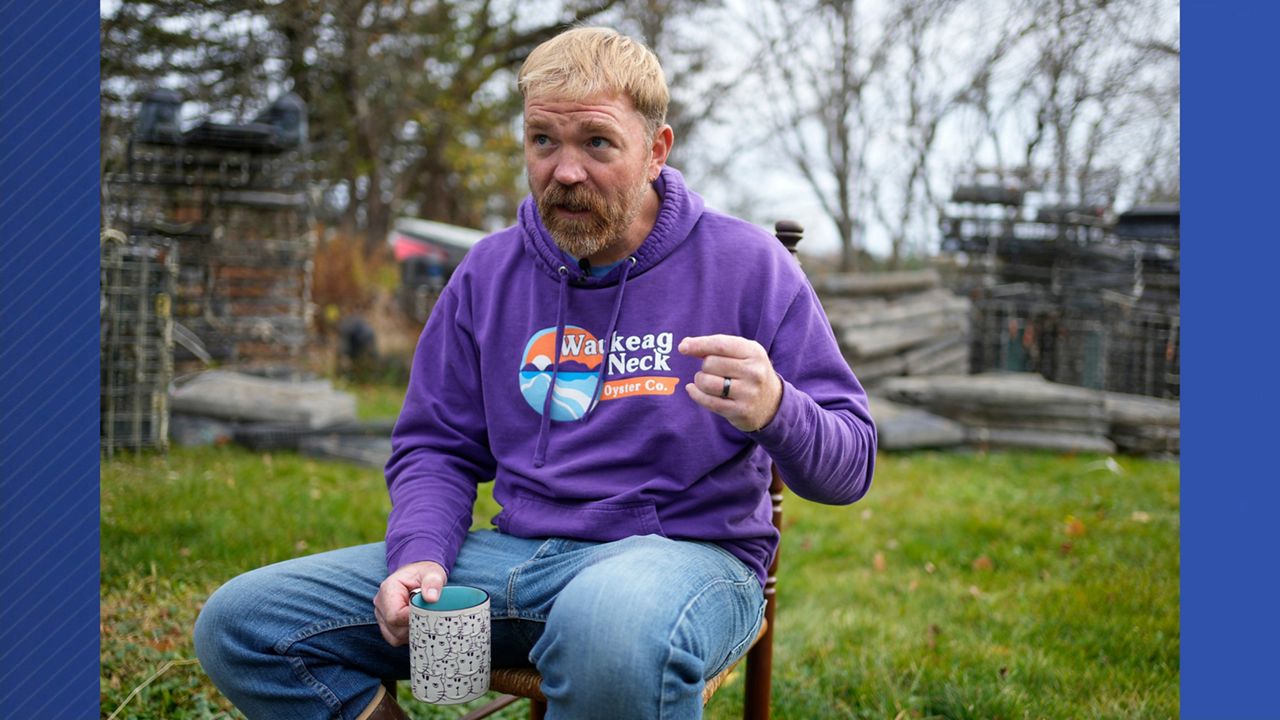
The contest for Maine’s open or vulnerable Senate seat is heating up as Graham Platner, a Maine Democrat, secures another high-profile endorsement. The move underscores growing tensions within the Democratic Party between its progressive and more mainstream wings as strategists map a path to victory in 2026. Endorsements from influential figures or allied groups can influence fundraising, volunteer baselines, and media narratives, all of which are critical when flipping a pivotal Senate seat blue in a tightly divided environment.
What Just Happened
Platner’s campaign announced a fresh endorsement from a notable Democratic figure, signaling a intensifying split within the party over the direction and messaging in Maine. Endorsements in Senate races act as proxies for broader ideological battles, often energizing certain voter blocs while prompting counter-messaging from opponents. In Maine, this development adds another layer to a razor-thin political landscape where turnout, candidate coherence, and policy messaging will determine who wins the seat in 2026.
Electoral Implications for 2026
– Voter Alignment: Endorsements can polarize early donor activity and volunteer recruitment. Supporters of Platner’s backers may coalesce around a unified message focused on reform, incumbency fatigue, or regional priorities, depending on which faction the endorsement represents.
– Fundraising Momentum: A new endorsement often unlocks fundraising potential, enabling Platner to scale field operations, digital outreach, and rapid-response capabilities against opponents who mobilize their base in response.
– Messaging Dynamics: The faction behind the endorsement will shape the campaign’s talking points—whether emphasizing progressive reform, pragmatic governance, or issue-specific plans like healthcare or infrastructure. This affects debates, ad buys, and surrogates’ appearances.
– Opponent Adaptation: Opponents in Maine may recalibrate their strategy to exploit any rifts, aiming to present a united front that appeals to swing voters while challenging Platner’s alignment on key issues.
Public & Party Reactions
– Democratic base: Reactions are likely mixed, with some embracing the reflected energy and others wary of deepening intra-party divides during a crucial midterm window.
– Local political community: Endorsements can trigger a cascade of local endorsements, endorsements from unions or issue groups, and organized events that increase visibility for Platner’s platform.
– Opponents: The opposition will likely frame the endorsement as evidence of party fracture, using it to question cohesion and readiness to govern. They may argue that internal disagreements hinder effective representation.
What This Means Moving Forward
– Strategic realignment: Platner’s team will likely lean into the endorsement to consolidate support among aligned factions, shaping a cohesive narrative around policy priorities that resonate in Maine’s districts.
– Coalition-building: Expect a broader push to secure labor, environmental, and rural-advocacy groups whose support can expand the campaign’s ground game and volunteer base.
– Voter education: With a more pronounced split in the party, voters will need clear, issue-focused messaging to discern who best represents their priorities, especially on healthcare, the economy, and energy policy.
– Senate dynamics: This development contributes to a broader national pattern: as Democrats contest pivotal seats, intra-party unity and strategic endorsements may determine the balance of power in a closely divided Senate.
Context and Forward Outlook
Maine’s 2026 Senate race is emblematic of a national trend where endorsements act as accelerants for internal party dynamics. For Platner, navigating the rift while building a broad, issue-based coalition will be essential to appealing to independent and moderate voters who decide statewide outcomes. For the party at large, managing diverse wings while presenting a unified governance vision will be a key test of campaign discipline and strategic clarity.
Note: The analysis focuses on the implications of a new endorsement within the Maine Democratic campaign for the 2026 Senate race, considering how intra-party factions influence race dynamics, fundraising, and messaging trajectories.