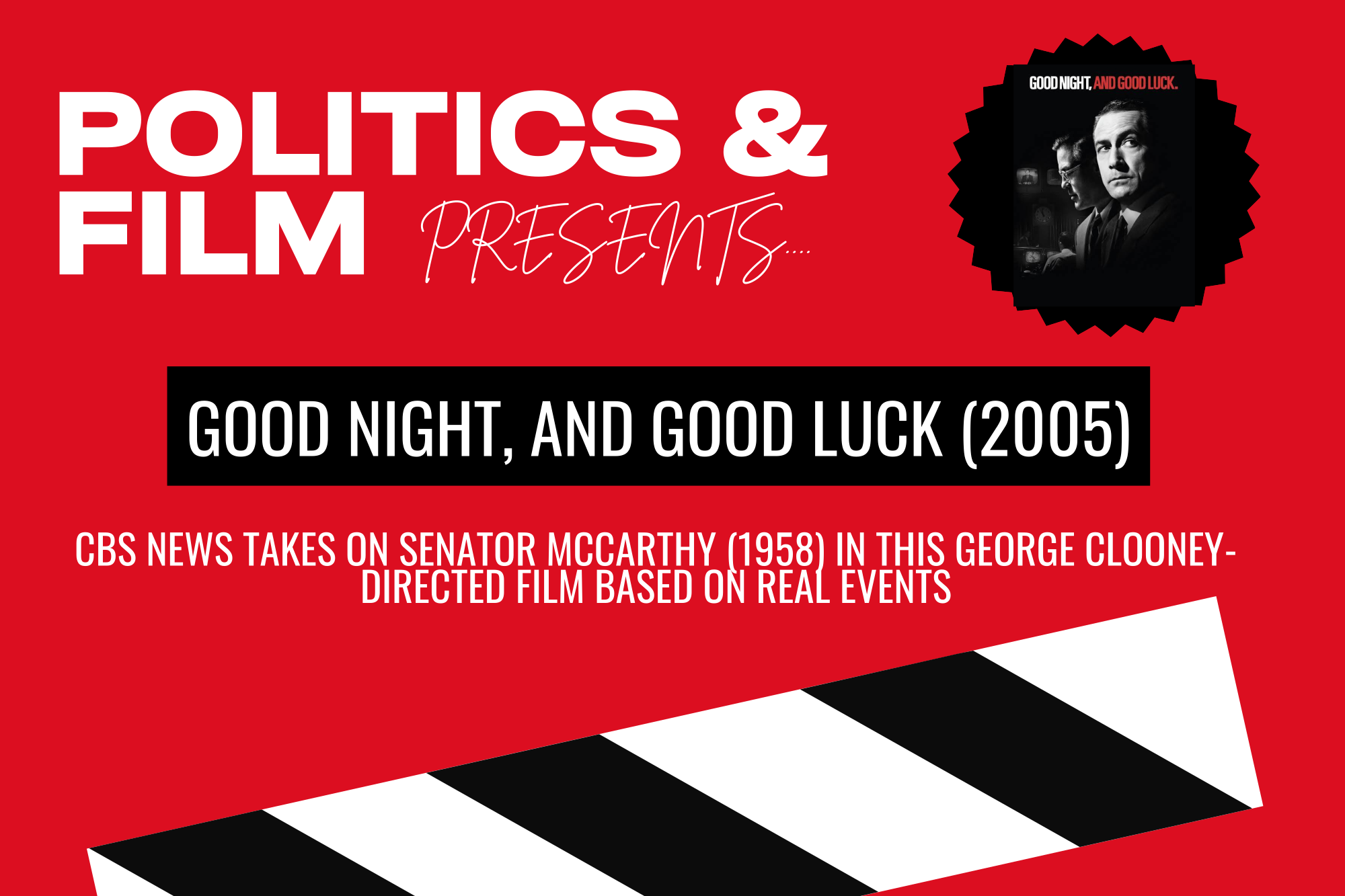
The film Good Night and Good Luck, directed by George Clooney, revisits a pivotal chapter in American journalism: Edward R. Murrow’s courageous challenge to Senator Joseph McCarthy during the early 1950s. While the drama unfolds in the past, its themes resonate with contemporary discussions about media accountability, press freedom, and the political pressures that shape reporting in a polarized age. This analysis situates the narrative within today’s U.S. media landscape, exploring how the legacy of Murrow’s ethic informs policy debates, regulatory considerations, and the broader question of who holds power to account.
Strategic Overview
The story centers on a disciplined, evidence-driven approach to reporting under intense political scrutiny. Murrow and his CBS team pursue truth-telling in a climate of fear and demagoguery, emphasizing standards, sources, and the courage to publish when consequences are uncertain. In 2026 terms, the film acts as a case study in media accountability—a benchmark for how journalistic integrity can constrain or compel political behavior. In a landscape where political actors increasingly view media narratives as leverage, the Murrow-McCarthy confrontation becomes a lens for evaluating contemporary newsroom strategies, newsroom independence, and the safeguards necessary to sustain trust with the public.
What Just Happened
Historically, the confrontation produced a watershed moment: a major mass media outlet stood up to aggressive political tactics by presenting verified information and questioning public figures’ claims. Translated to today’s context, the underlying dynamics persist—political actors testing the boundaries of press access, fact-checking, and editorial independence. The film’s emphasis on rigorous reporting, transparent sourcing, and a willingness to endure backlash offers a framework for understanding how modern outlets can navigate similar pressures, including social media amplification, partisan echo chambers, and regulatory threats that aim to influence coverage.
Public & Party Reactions
Public response to sustained investigative reporting remains mixed in 2026, shaped by digital ecosystems and fragmented media ecosystems. On one hand, audiences reward transparency and accountability when outlets demonstrate rigorous standards. On the other hand, politicized consumption patterns can translate good journalism into perceived bias, affecting trust and engagement. Political parties and policymakers frequently debate the boundaries of press freedom, newsroom access, and the role of public funding or regulatory tools in supporting independent journalism. The film’s narrative underscores the importance of editorial courage as a stabilizing factor in a volatile media environment.
What This Means Moving Forward
For policymakers and industry leaders, the Murrow-McCarthy narrative reinforces several priorities:
- Media accountability: Strengthening verifiable sourcing, transparent corrections, and clear editorial standards helps maintain credibility in an era of rapid information exchange.
- Press freedom safeguards: Safeguarding independence from political interference and online platforms that influence distribution and visibility remains critical to a healthy democracy.
- Regulatory balance: Debates around media regulation—ranging from antitrust considerations to platform accountability—must balance safeguarding the public interest with preserving a free marketplace of ideas.
- Public literacy: Enhancing media literacy initiatives equips citizens to critically evaluate claims, differentiate opinion from fact, and recognize manipulative tactics.
- Institutional resilience: Newsrooms must invest in internal safeguards, diversify funding, and cultivate a culture that prioritizes accuracy over expediency.
Implications for 2026 and Beyond
As the U.S. approaches evolving regulatory and political challenges, the film’s themes offer a cautionary guide: leadership in journalism entails procedural rigor, unwavering commitment to truth, and an awareness of the consequences when reporting is weaponized for political gain. The public’s ongoing demand for accountability will likely influence both policy debates and newsroom practices, from standards for sourcing and transparency to the regulatory design that governs platforms and disseminators of news.
Conclusion
Good Night and Good Luck dramatizes a defining moment where journalism asserted itself as a check on political power. Its enduring relevance lies in the call for media accountability, editorial independence, and an informed citizenry capable of discerning truth in a complex media economy. As the United States navigates press freedom challenges, regulatory discussions, and the evolving landscape of information, the film’s legacy serves as a reminder of the essential role journalism plays in safeguarding democratic governance.