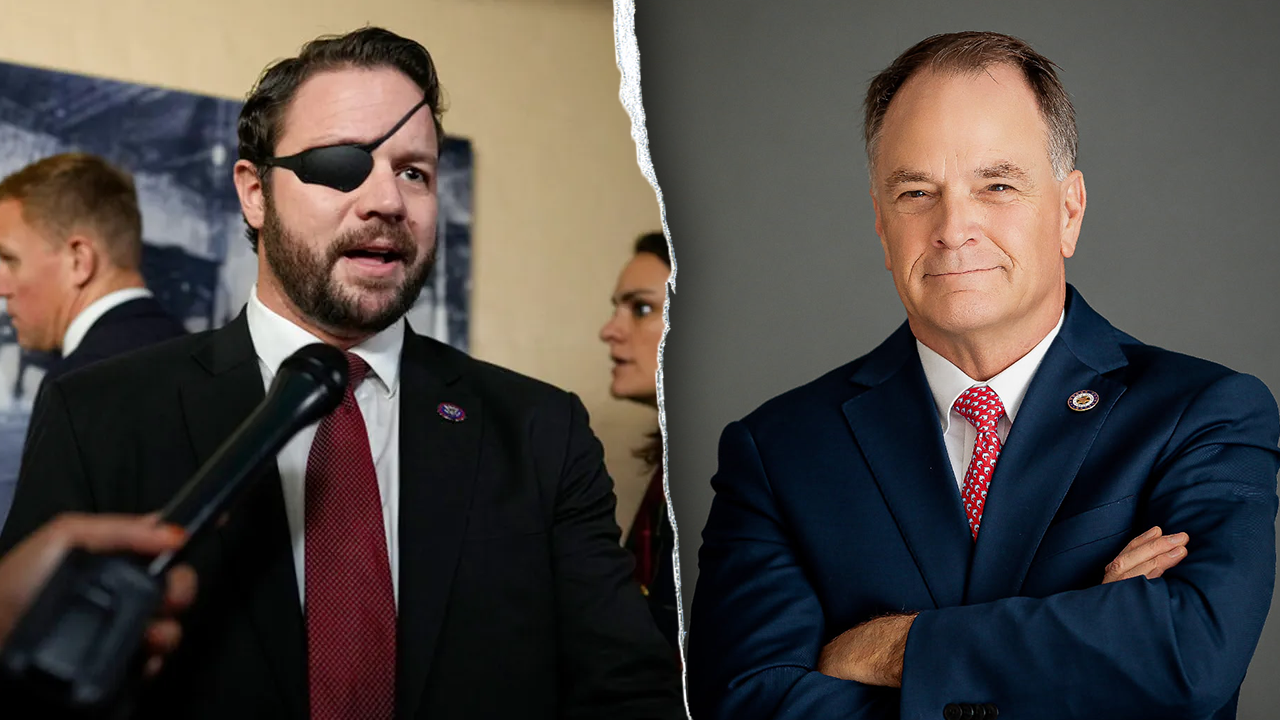
Texas politics are again in the spotlight as Rep. Dan Crenshaw confronts a Republican challenger, Steve Toth, in a high-stakes primary. The race arrives at a moment when intra-party dynamics, fundraising prowess, and endorsement signals can reshape candidate positioning ahead of the 2026 midterms. Crenshaw’s path to renomination is not a foregone conclusion, even in a reliably Republican district, as challengers press the case that the incumbent has drifted from core conservative and grassroots priorities. The absence of a crucial endorsement from a prominent party figure adds another layer of complexity, forcing Crenshaw to demonstrate why his approach remains aligned with primary voters’ expectations.
What Just Happened
With campaign narratives tightening, Crenshaw and Toth have traded messages aimed at energizing distinct wings of the Texas GOP. Crenshaw’s team is emphasizing incumbency credentials, national security persona, and a record on policy that includes defense and economics. Toth, meanwhile, has leaned into primary-driven messaging that underscores grassroots conservatism, limited government, and a willingness to challenge established leadership. The broader environment—rising defense budgeting talk, immigration policy friction, and a general appetite for primary accountability—creates a fertile backdrop for a race that could test Crenshaw’s political resilience and fundraising agility.
Electoral Implications for 2026
This primary contest in Texas serves as a microcosm of the broader 2026 landscape, where incumbents face renewed scrutiny from a more energized base. For Crenshaw, a strong showing could reinforce his viability as a national-level voice on security and foreign policy, while a destabilizing result could compel him to recalibrate messaging to center more squarely on domestic concerns and local issues. For Toth, an effective challenge could position him as a model for intra-party discipline and core-conservative governance, potentially expanding influence within the Texas GOP and acting as a bellwether for similar intraparty dynamics elsewhere. The absence of certain high-profile endorsements may become a talking point that influences donor confidence, media narratives, and voter outreach strategy across the state.
Public & Party Reactions
Inside the party, reactions are likely to be mixed. Supporters of Crenshaw may emphasize track record, cross-aisle collaboration, and national leadership credentials, arguing that he represents disciplined, effective governance in a volatile political climate. Critics within the party could portray Crenshaw as out of touch on grassroots sentiment, or as too aligned with national political currents at the expense of local priorities. Toth’s backers are expected to highlight the fight for principled conservatism, a willingness to challenge the status quo, and a push for tighter adherence to party orthodoxy. The unfolding dynamic will likely influence primary turnout, donor attention, and the tempo of campaign messaging as both sides seek to mobilize and persuade.
What This Means Moving Forward
Looking ahead, Crenshaw’s campaign will likely lean into a narrative that emphasizes national security experience, border policy stance, and economic growth through defense-oriented policy. His ability to convert primary support into general election credibility will hinge on maintaining a message that resonates with Texas voters who prize security, fiscal responsibility, and pragmatic governance. For Toth, sustaining momentum will require translating grassroots energy into broad appeal, expanding fundraising networks, and demonstrating a compelling alternative to the incumbent’s policy mix. The broader takeaway for 2026 is that intra-party contests in key states like Texas can shape the perceived strength of incumbents, influence candidate recruitment, and shift early-state strategy for national campaigns.
In-Depth Analysis: Strategy and Messaging
– Incumbency advantages and vulnerabilities: Crenshaw’s track record provides a platform for credibility on security and policy expertise, but challengers can exploit perceived distance from core conservative concerns. The campaign’s strategy will need to balance national resonance with tangible local benefits to win over primary voters.
– Endorsement dynamics: Endorsements often serve as accelerants for voter perception and donor confidence. The absence of a major endorsement becomes a narrative to either underscore Crenshaw’s independence or cast doubt on his alignment with Texas’ GOP base depending on messaging.
– Fundraising tempo: Primary battles in tight districts rely on a steady fundraising rhythm. Crenshaw must demonstrate durable donor support, while Toth seeks to disrupt with targeted outreach and coalition-building across conservative groups.
– Voter messaging: The race is a test of how well national-security-focused messaging translates to local preferences, including concerns about taxes, energy policy, and public safety. The winner could set a template for how GOP incumbents frame policy in the lead-up to the general election.
What to Watch
– Debate and public forums: Watch for how each candidate threads the needle between national leadership and Texas-specific priorities.
– Endorsement developments: Any new endorsements or withdrawals could quickly shift momentum and fundraising trajectories.
– Voter turnout signals: Primary dynamics often foreshadow general election enthusiasm and party alignment in the district.
Conclusion
The Crenshaw-Toth primary is more than a local tussle; it’s a barometer for how the Texas GOP envisions its core message and electoral playbook for 2026. Whether incumbency confidence holds or a bold challenger redefines the contest, the outcome will inform campaign strategies, donor behavior, and the broader conversation about party identity in a pivotal political era.