Strategic Overview
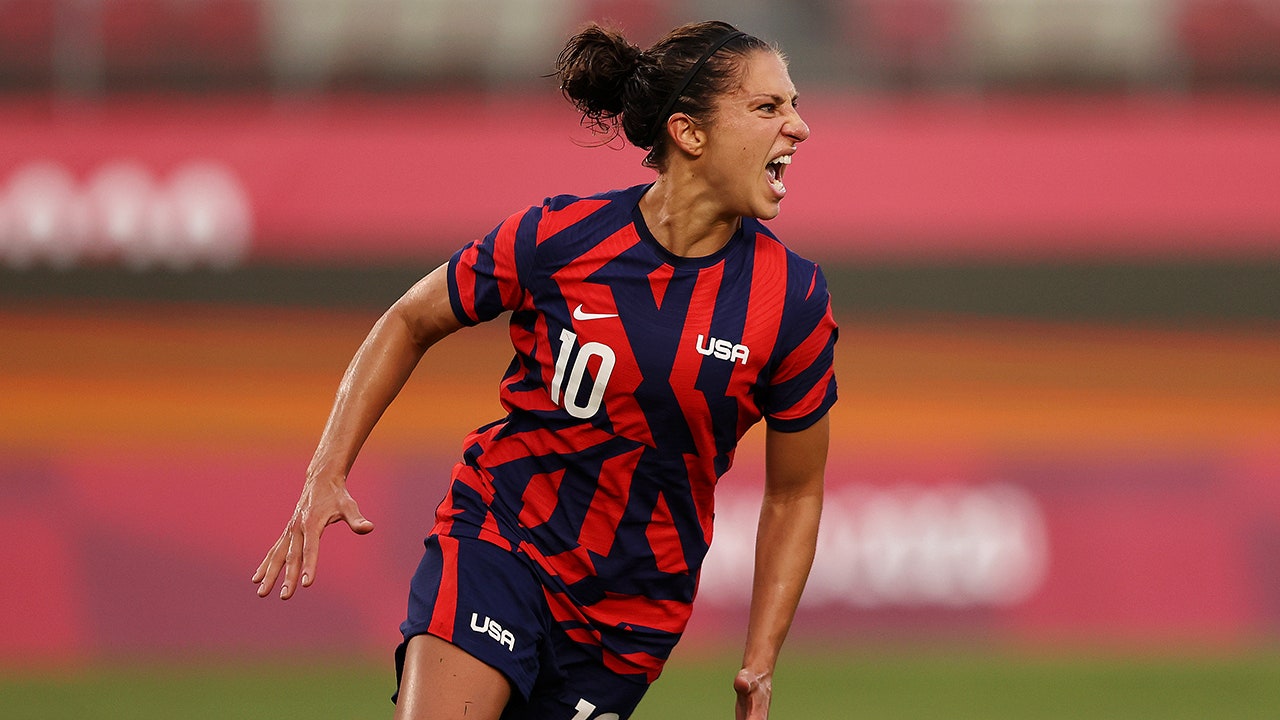
In 2026, the intersection of sports commentary and political opinion is drawing renewed scrutiny. Former U.S. Women’s National Team star Carli Lloyd publicly defended analyst Alexi Lalas after social media critics attacked him for his political stances. The exchange underscores a broader debate: when athletes and sports commentators weigh in on politics, how should platforms balance free expression, audience expectations, and brand risk? The episode signals that political identity and sports commentary are increasingly entangled, with potential implications for credibility, sponsorship, and audience engagement across major leagues and media.
What Just Happened
The incident began when Alexi Lalas, a long-standing soccer analyst and former U.S. national team defender, shared political views on social media. Critics, including some fans and commentators, pushed back, arguing that political content from sports media can alienate segments of the fanbase. In response, Carli Lloyd stepped in to defend Lalas, framing the backlash as reflective of broader conservative-leaning political sensitivities that shape public reception to athletes and pundits who venture into politics. Lloyd’s defense shifts the focus from individual remark to the broader dynamics of how political discourse travels through sports ecosystems.
Electoral Implications for 2026
While the incident is not about an election per se, it highlights a persistent strategic consideration for political and media actors: the electorate’s appetite for polarized content and the risk calculus around speaking out. For athletes and analysts, political commentary can mobilize or alienate audiences, influence sponsorships, and shape media leverage during high-stakes campaigns. Parties and campaigns may monitor these dynamics as they attempt to cultivate broad coalitions or target specific demographics among sports fans. The takeaway for 2026 is clear: public figures in sports media must navigate a volatile audience that is increasingly sensitive to perceived ideological bias.
Public & Party Reactions
Reactions are polarized. Supporters of Lalas argue that sports media should reflect diverse viewpoints, enriching the public square. Critics contend that mixing politics with sports content damages the purity of the viewing experience and risks politicizing fandom. Carli Lloyd’s defense adds a layer of legitimacy to those who believe athletes and commentators should be free to express political opinions without fear of punitive backlash. The broader political environment—where cultural issues often intersect with policy debates—means reactions from fans, sponsors, and networks could influence future decisions about which voices are elevated in sports media.
What This Means Moving Forward
- Trust and credibility: Sports audiences may increasingly evaluate commentators not only on expertise but on willingness to engage with political topics. This could affect perceived neutrality, especially for outlets known for in-depth analysis and nonpartisan reporting.
- Sponsorship and platform risk: Brands may weigh the potential audience reach against risks of backlash when supporting commentators who voice contentious political views. This could alter sponsorship strategies and contract negotiations.
- Industry norms: The incident underscores a trend toward more explicit boundaries around political commentary in sports media. Networks and leagues might develop guidelines to balance free expression with audience segmentation and brand safety.
- Civic discourse: Athletes and analysts play a role in shaping political conversations. As more public figures engage in policy debates, there may be a push for clearer disclosures about endorsements, affiliations, or potential conflicts of interest.
What Happens Next
Expect continued scrutiny of how sports media handles political content. Key questions for 2026 include whether networks formalize standards for political statements, how audience sentiment shifts as more figures in sports speak on policy, and whether sponsorship dynamics incentivize or dampen political expression. The Lloyd-Lalas moment could be a bellwether for a sports-media ecosystem that increasingly reflects the broader political divides in American public life. In the near term, fans may see more commentators navigating the line between insightful analysis and opinion, with outcomes likely measured by engagement metrics, sponsorship stability, and the evolving expectations of a diverse, polarized audience.